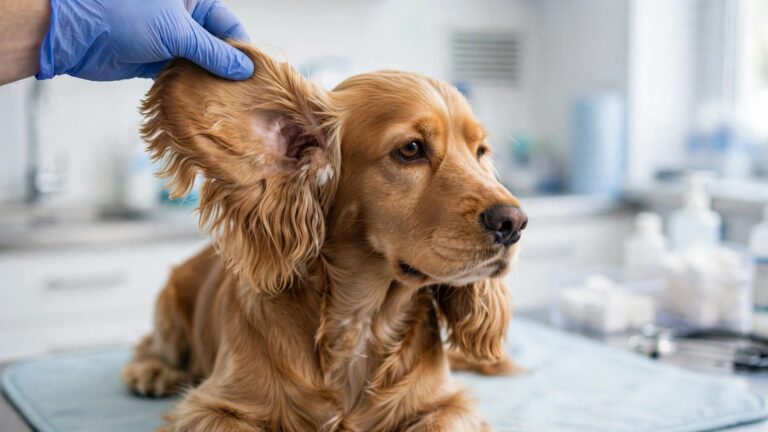
Why Did My Dog Lose a Tooth? Causes and What to Do

Finding one of your dog’s teeth on the floor can be alarming — but whether it is an emergency depends entirely on your dog’s age. If your dog is a puppy between 3 and 7 months old, losing teeth is completely normal: baby teeth are making way for the adult set. If your dog is an adult, however, a lost tooth is never normal and almost always points to dental disease or trauma that needs a vet’s attention.
Here is how to tell which situation you are in, what to do in the first minutes after you find the tooth, and how to protect the rest of your dog’s teeth going forward.
The Quick Answer: Puppy or Adult?
Dogs are born toothless, grow 28 baby (deciduous) teeth, and then lose every one of them as 42 permanent adult teeth come in. This swap happens between roughly 3 and 7 months of age. During this window, finding tiny teeth in the carpet, in a chew toy, or in the water bowl is a sign of healthy development — many puppies even swallow their baby teeth without anyone noticing.
Once those 42 adult teeth are in, they are meant to last a lifetime. An adult dog should never lose a tooth on its own. If yours just did, something is wrong, and the most likely culprits are periodontal disease or an injury.
Normal Puppy Tooth Loss: The Timeline
Knowing the schedule helps you relax when those tiny teeth start appearing around the house:
- 3–4 weeks: baby teeth begin to erupt
- 3–4 months: baby incisors (the small front teeth) start falling out
- 4–6 months: premolars and canines loosen and drop as adult teeth push through
- 6–7 months: the process is usually complete; all 42 adult teeth are in
Teething puppies chew relentlessly because it soothes their sore gums — this is the time for plenty of safe chew toys. A little bleeding on a toy is normal. What is not normal: heavy bleeding, refusal to eat, a bad smell from the mouth, or a baby tooth that is still hanging on past 7 months while the adult tooth erupts beside it. That last one is called a retained deciduous tooth, and it needs a vet visit — the crowded double tooth traps plaque and invites future disease. Small breeds are especially prone to retained baby teeth.
Why Adult Dogs Lose Teeth
1. Periodontal disease (the #1 cause)
This is behind the vast majority of adult tooth loss. Plaque hardens into tartar within days; bacteria creep under the gumline; gums become inflamed (gingivitis); then the infection attacks the ligaments and bone holding each tooth in place (periodontitis). By the time a tooth actually falls out, the disease is advanced — and the dog has likely been in pain for a long time. Roughly 80% of dogs show signs of dental disease by age three, and small breeds with crowded jaws are hit hardest.
2. Trauma
A fall, a collision during rough play, a fight with another dog, or chewing something far too hard — rocks, antlers, bones, metal crate bars — can crack or knock out a tooth. Sometimes the damage is not obvious for weeks. If the tooth came out after a known impact and the gum is bleeding, treat it as urgent.
3. Tooth resorption and decay
Less common in dogs than in cats, but it happens: the tooth structure breaks down from the inside out. A sugary diet and poor oral hygiene raise the risk.
4. Oral tumors
Growths in the jaw or gum can loosen nearby teeth. This is rarer, but it is one reason a vet should examine any adult tooth loss rather than assuming it is “just old age.”
What to Do Right Now: 5 Steps
- Stay calm and look in the mouth. If your dog allows it, gently lift the lip and check for bleeding, swelling, or an exposed root. Do not force the mouth open if your dog resists.
- Find the tooth if you can. It helps your vet determine what happened. You do not need to preserve it in milk the way you would a human tooth — just bring it along.
- Control bleeding. Light bleeding usually stops on its own. For heavier bleeding, press a clean damp cloth against the gum for a few minutes.
- Switch to soft food. Offer softened kibble or wet food for a few days and skip hard chews and crunchy treats until the vet gives the all-clear.
- Call your vet. This is the most important step. Even if your dog seems fine, an empty socket can harbor infection, and the remaining teeth may need assessment. If there was facial trauma, heavy bleeding, or your dog is in obvious pain, go in urgently.
Wondering about the blood — or lack of it? Our guide on a dog tooth falling out with no blood explains when a bloodless loss is reassuring and when it still warrants a checkup.
What the Vet Will Do
Expect a full oral exam, often under sedation or anesthesia so every tooth can be probed and X-rayed — much of a tooth’s structure hides below the gumline. Treatment depends on what is found: a professional cleaning, extraction of diseased teeth, antibiotics for infection, and pain relief. Dogs with multiple bad teeth often act like new animals once the diseased ones are out; many owners are surprised at how much pain their dog had been hiding.
If the tooth looks discolored, the gum is receding, or the breath is foul, you may be looking at a dying tooth rather than a simple loss. Our article on what to do when your dog has a rotten tooth covers the next steps in detail.
Preventing Future Tooth Loss
The single most effective thing you can do is brush your dog’s teeth regularly with a dog-safe toothpaste — daily is ideal, a few times a week still helps enormously. Add in dental chews with the VOHC seal, an annual vet dental check, and a strict policy against ultra-hard chew objects. The AKC’s guide to loose teeth in dogs is a good reference on keeping the whole mouth healthy.
How Vets Grade Dental Disease: Stages 1 to 4
When your vet examines your dog’s mouth, they are mentally staging the disease — and the stage determines everything about treatment:
- Stage 1: gingivitis only — red gums, no attachment loss. Fully reversible with cleaning and home care.
- Stage 2: early periodontitis — up to 25% of the tooth’s support is lost. Professional cleaning can still save the teeth.
- Stage 3: moderate periodontitis — 25–50% support loss. Deep cleaning under anesthesia; some teeth may need extraction.
- Stage 4: advanced periodontitis — over 50% support loss. Extraction is usually the kindest option, and this is the stage where teeth start falling out on their own.
Here is the part most owners miss: dogs rarely show obvious pain until stage 3 or 4. They chew on the other side, eat a little slower, and carry on. By the time a tooth falls out, the disease has typically been progressing silently for years — which is why annual dental exams catch what daily observation misses.
Frequently Asked Questions
Is it normal for a 5-month-old puppy to lose teeth every day?
Yes. The 4-to-6-month window is peak shedding season, and it is common to find several teeth in a single week. As long as your puppy is eating, playing, and the gums look pink rather than angry red, this is healthy development.
My adult dog lost a tooth but seems totally fine. Can I skip the vet?
No. Dogs are masters at hiding mouth pain — many keep eating normally with severe dental disease. A lost adult tooth means advanced disease or trauma, and the remaining teeth need professional assessment.
Can a dog’s tooth grow back?
No. Unlike sharks, dogs get one set of adult teeth. Once a permanent tooth is gone, it is gone for good — which is exactly why prevention matters so much.
My dog swallowed the tooth. Is that dangerous?
Usually not. Small swallowed teeth pass through the digestive system without issue. Watch for vomiting, loss of appetite, or signs of abdominal discomfort over the next day or two, and mention it to your vet.
Do older dogs just naturally lose teeth with age?
Age alone does not make teeth fall out. What happens with age is accumulated, untreated dental disease — which is preventable and treatable. A senior dog with a lifetime of dental care can keep every tooth.
The Bottom Line
Puppy tooth loss between 3 and 7 months is a milestone worth celebrating. Adult tooth loss is a warning worth acting on — promptly. Find the tooth, check the mouth, switch to soft food, and call your vet. And going forward, regular brushing and dental checkups are the cheapest insurance policy your dog’s smile will ever have.