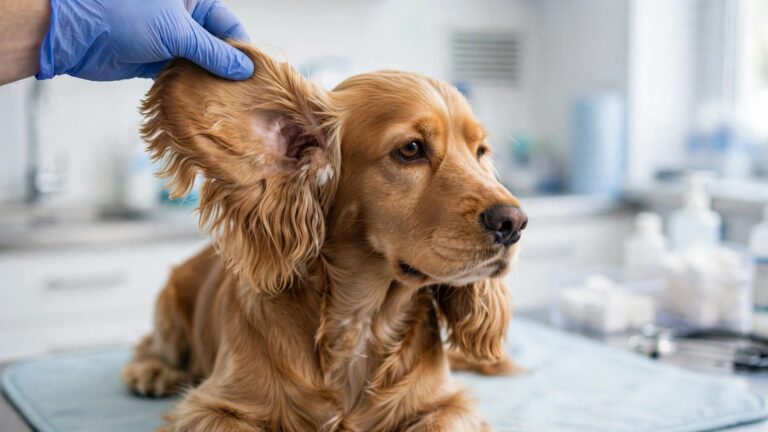
How Many Teeth Do Toy Poodles Have? Dental Guide

The Short Answer
A healthy adult Toy Poodle has 42 teeth — exactly the same number as every other dog breed, from a Chihuahua to a Great Dane. Toy Poodle puppies start with 28 baby teeth, which fall out between 3 and 6 months of age to make way for the 42 permanent adult teeth. The number never changes with size: the breed standard calls for a complete set of 42 in a proper scissor bite. The real story, though, is not the count. It is that cramming 42 full-size teeth into a tiny Toy Poodle jaw is exactly why this breed is so prone to dental disease — and why your care routine matters more than the number.
A Toy Poodle’s Adult Tooth Count: 42
All dogs share the same dental formula, and the Toy Poodle is no exception. The formula for one side of an adult dog’s mouth is: 3 incisors, 1 canine, 4 premolars on top, and 3 incisors, 1 canine, 4 premolars, 3 molars below. Double it for both sides and you get 42 teeth. It is the same total you would find in a Golden Retriever — in fact, our guide to how many teeth Golden Retrievers have covers the identical dental layout, just in a much bigger jaw.
What is a “full set” in practice? The breed standard for Poodles describes a full set of 42 teeth in a perfect scissor bite — the upper teeth closely overlapping the lower teeth. If your Toy Poodle had a tooth extracted by the vet, or is missing one due to crowding, the mouth may look healthy at 40 or 41 teeth. That is common in this breed and nothing to worry about once a vet has confirmed the remaining teeth are sound.
Puppy Teeth: The 28 Baby Teeth Timeline
Toy Poodle puppies are born toothless. Then the baby teeth — officially called deciduous teeth — come in fast and fall out faster. Here is the typical timeline:
- 2–4 weeks: The first baby teeth (usually incisors) begin to emerge.
- 4–6 weeks: The full set of 28 baby teeth is usually in place.
- 3–4 months: Teething begins in earnest. Baby teeth loosen and fall out, often swallowed unnoticed with food.
- 4–6 months: The 42 adult teeth erupt. Expect heavy chewing during this window.
- 6–7 months: Most Toy Poodles have their full adult set. If baby teeth are still present past this point, your vet needs to look.
Toy breeds often run a little behind the schedule of larger dogs, so a Toy Poodle still finishing teething at 7 or 8 months is not automatically a problem. The key is whether the adult teeth are arriving in their proper positions.
Retained Baby Teeth: The Common Toy Poodle Problem
This is the dental issue most unique to Toy Poodles and other tiny breeds. A “retained deciduous tooth” is a baby tooth that fails to fall out when the adult tooth comes in. The adult tooth erupts right alongside it, and the puppy ends up with a double row of teeth — most often the canines or the upper incisors.
Retained baby teeth matter for three reasons:
- Crowding: Two teeth in one socket throws the bite off and traps food between the teeth.
- Tartar magnet: The tight gap between the retained baby tooth and the adult tooth collects plaque that a toothbrush cannot reach.
- Bite problems: The adult tooth may be pushed into the wrong position, causing a malocclusion that stresses the jaw.
If you can still see small, sharp baby teeth next to the bigger adult teeth after 7 months, ask your vet about extraction. Removing retained baby teeth is a quick, routine procedure, and doing it early protects the adult teeth underneath. This is one of the main reasons vets like to see Toy Poodle puppies for a dental check around 6–8 months.
Why Toy Poodles Are So Prone to Dental Disease
Up to 80% of dogs show signs of periodontal disease by age three, but toy breeds sit at the extreme end of that statistic. The reason is simple physics: 42 full-size teeth were designed for a wolf-sized jaw, and the Toy Poodle’s jaw is a fraction of that size. The result is a mouth where teeth are crowded together, often rotated or overlapping, and those tight contact points are exactly where plaque turns into tartar.
Several factors stack against the Toy Poodle:
- Crowding: Less space between teeth means more plaque-retentive surfaces and less self-cleaning from chewing.
- Genetics: Toy breeds are predisposed to faster tartar accumulation than larger dogs.
- Long lifespan: Toy Poodles live 12–16 years, giving dental disease more time to progress if it is not managed.
- Silent progression: Most owners first notice bad breath, but by then there may already be gum recession or loose teeth.
Untreated dental disease is not just about bad breath. Bacteria from infected gums can enter the bloodstream and stress the heart, kidneys, and liver over time. For a breed that lives as long as the Toy Poodle, that is a real long-term health risk — which is why vets are so persistent about dental care for toy breeds specifically.
Watch for These Warning Signs
Check your Toy Poodle’s mouth regularly — a quick look once a week takes seconds once you are both used to it. Call your vet promptly if you notice:
- Persistent bad breath that goes beyond “dog breath”
- Red, swollen, or bleeding gums
- Yellow or brown tartar along the gumline
- Loose teeth in an adult dog, or a tooth that looks dark or broken
- Dropping food, chewing on one side, or pawing at the mouth
- Swelling under the eye or on the jaw (can signal a tooth-root abscess)
If your dog already has a rotten tooth, do not wait to see whether it gets better on its own — dental pain often hides until it is severe, and infected teeth rarely improve without treatment.
A Dental Care Routine That Actually Works
Daily brushing remains the gold standard, and the earlier you start, the easier it is. Here is a routine scaled for real life:
- Brush the teeth 3–7 times a week. Daily is ideal, but brushing every other day still makes a meaningful difference. Focus on the outer surfaces, especially the upper back teeth where tartar builds fastest. Use a dog-safe toothpaste — never human toothpaste — and a small soft brush or finger brush sized for a toy mouth. For a detailed brushing walkthrough, PetMD offers a step-by-step guide to brushing your dog’s teeth.
- Use VOHC-accepted dental chews. Look for products carrying the Veterinary Oral Health Council seal. Chews do not replace brushing, but they slow tartar buildup between brushings.
- Feed appropriately sized kibble. A small-breed kibble sized for a tiny jaw gives the teeth a mild mechanical scrubbing action. Wet-only diets tend to allow faster plaque buildup.
- Schedule professional cleanings. Most Toy Poodles need a professional dental cleaning under anesthesia every 1–2 years starting in early adulthood. The anesthesia allows a full exam under the gumline and dental X-rays — the “anesthesia-free” cleanings some groomers offer cannot do this and are not a substitute.
- Keep the 6–8 month puppy dental check. This one visit catches retained baby teeth early, when extraction is simplest.
Do not be discouraged if brushing is a struggle at first. Start by just rubbing the gums with your finger, add toothpaste as a treat, and build up to the brush over a week or two. A short, calm session your dog tolerates beats a long one that turns into a wrestling match.
FAQ: Toy Poodle Teeth
Do Toy Poodles have more teeth than other dogs?
No. Every dog breed has the same 42 adult teeth and 28 puppy teeth. A Toy Poodle’s teeth may look proportionally larger in that small mouth, which is why crowding — not the count — is the breed’s real dental challenge.
Is it normal for a Toy Poodle puppy to swallow its baby teeth?
Yes, completely normal. Most puppies swallow their lost teeth with food, and owners never find them. It is harmless — the teeth pass through without issue.
At what age do Toy Poodles lose their teeth?
Baby teeth start falling out around 3–4 months and the adult set is usually complete by 6–7 months, sometimes a little later in toy breeds. Any adult dog losing teeth beyond teething age needs a vet check — adult teeth should not fall out on their own.
Can Toy Poodles keep their baby teeth too long?
Yes. Retained deciduous teeth are one of the most common dental problems in Toy Poodles. If baby teeth are still present at 7 months, have your vet evaluate whether extraction is needed to protect the adult teeth.
How often should a Toy Poodle’s teeth be cleaned by a vet?
Most vets recommend a professional cleaning under anesthesia every 1–2 years for Toy Poodles, starting in early adulthood. Dogs with heavy tartar buildup may need them more often.
Conclusion
So, how many teeth do toy poodles have? 42 — the same as every dog — but fitting 42 teeth into a tiny jaw is what makes dental care so important for this breed. Start brushing early, watch for retained baby teeth at the 6–8 month mark, and keep up with professional cleanings. A little routine dental work now protects a breed that lives long enough for dental disease to do real damage later.