
Can Pregnant Dogs Get the Rabies Vaccine? Vet Advice
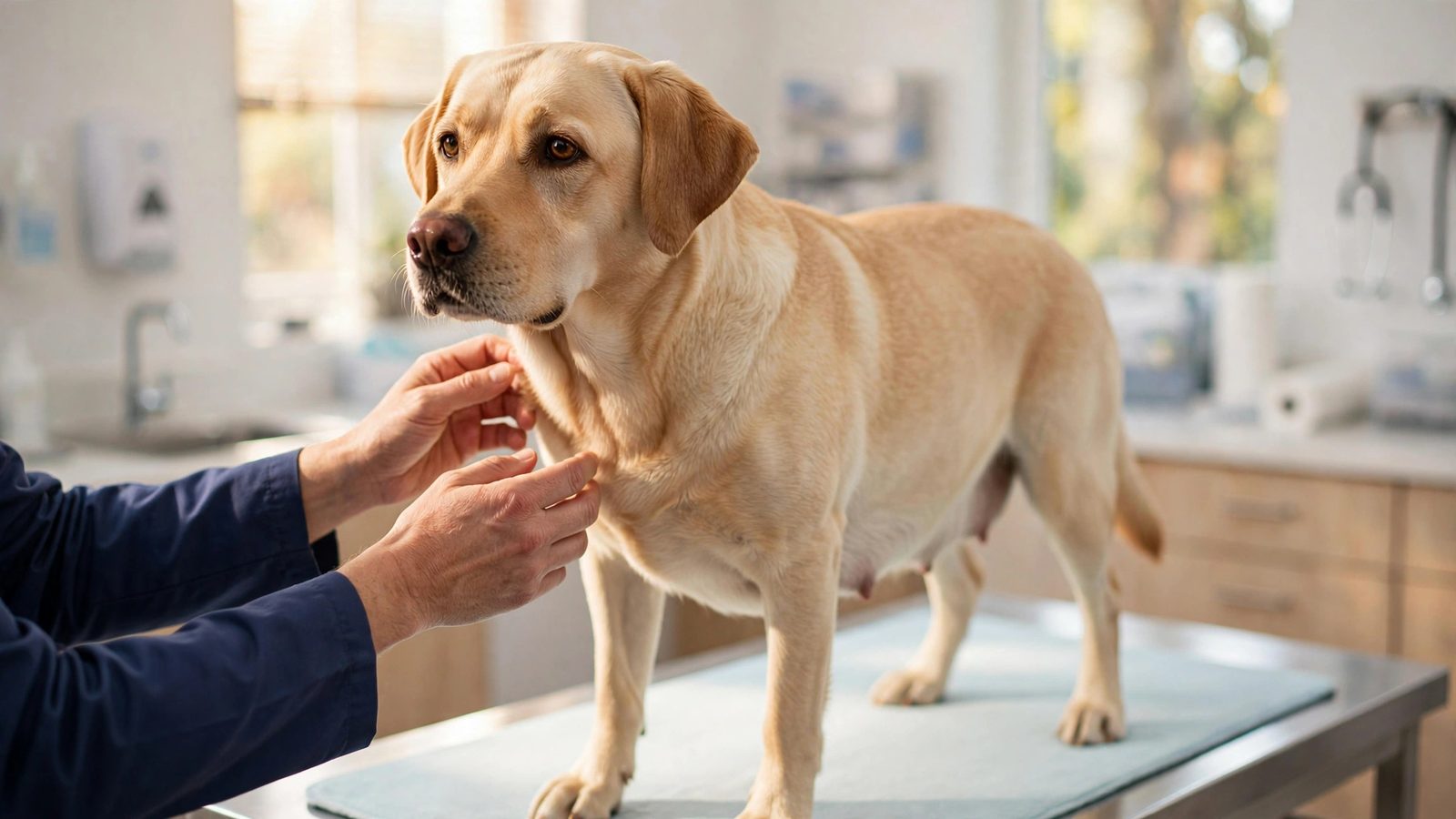
Yes — in most cases, a pregnant dog can safely receive a rabies vaccine. Rabies vaccines are “killed” (inactivated) vaccines, meaning they contain no live virus and cannot cause the disease. Most veterinarians consider them safe during pregnancy, though the ideal timing and the decision itself depend on your dog’s vaccine history, stage of pregnancy, and local legal requirements. Always decide together with your vet.
Why the Rabies Vaccine Is Different From Other Shots
To understand why vets are relatively comfortable vaccinating pregnant dogs against rabies, you need the killed-versus-live distinction:
- Killed (inactivated) vaccines contain a dead form of the virus. They cannot replicate, cannot cause infection, and cannot cross into or harm developing puppies. The rabies vaccine falls in this category.
- Modified-live vaccines contain a weakened but living virus. These are the ones vets worry about during pregnancy — the weakened virus could theoretically affect developing fetuses. Core modified-live vaccines include distemper, parvovirus, and adenovirus components.
This is exactly why the rabies question gets a more reassuring answer than, say, “can my pregnant dog get her distemper booster?” The general veterinary rule is to avoid modified-live vaccines during pregnancy while treating killed vaccines as case-by-case decisions. And among killed vaccines, rabies is the one with the strongest argument in favor: it protects against a fatal, zoonotic disease, and in most places it is legally required.
When Vets Say Yes to Vaccinating During Pregnancy
Veterinarians weigh several factors before giving a rabies shot to an expecting dam:
- Vaccine history. If her rabies vaccine is current, there is nothing to discuss — no booster needed until it expires. The question only arises when the vaccine is due or overdue during the pregnancy.
- Stage of pregnancy. Many vets prefer to avoid any elective procedure during the first few weeks, when the puppies’ organs are forming. If vaccination cannot wait, the second trimester (roughly days 14–28 and beyond) is often considered the safer window.
- Exposure risk. A dam living in an area with active rabies cases, or one that may have been exposed to a potentially rabid animal, has a much stronger case for immediate vaccination. Rabies is 100% fatal once symptoms appear — in dogs and in people.
- Legal requirements. Rabies vaccination is mandatory by law in most jurisdictions. If her certificate lapses mid-pregnancy, your vet can advise on timing that satisfies both the law and the pregnancy.
- Her overall health. A healthy dam tolerates vaccination far better than one already dealing with illness or stress. Vets will not vaccinate a dog that is currently sick, pregnant or not.
Understanding how long a dog’s heat cycle lasts by size helps put the timing in perspective: with a roughly 63-day gestation, planning vaccination around the breeding calendar is entirely feasible when a pregnancy is intentional.
When Vets Prefer to Wait Until After Whelping
In low-risk situations, many vets will recommend simply waiting until the puppies are born. Reasons to defer:
- Her rabies vaccine expired only recently and local rabies risk is very low.
- She is in the first trimester, when fetal organ development is most sensitive.
- She is already stressed or unwell, and adding a vet visit plus injection is an avoidable burden.
- A nursing dam can be vaccinated after whelping with no concern for the puppies — maternal antibodies pass through milk regardless.
Waiting is a judgment call, not a rule. If your vet suggests waiting, ask what the plan is for keeping her legally compliant and protected in the meantime — for example, strict supervision outdoors and avoiding wildlife contact.
The Ideal Approach: Vaccinate Before Breeding
All of this debate disappears with one planning step: make sure her rabies vaccine (and all core vaccines) are current before she is bred. Responsible breeders treat pre-breeding vet clearance as non-negotiable, and current vaccination is part of it. A dam vaccinated before pregnancy passes maternal antibodies to her puppies through colostrum, giving them their first weeks of protection until their own vaccine series begins at 6–8 weeks.
This is one of the practical realities behind what full breeding rights mean in terms of papers and permissions — ethical breeding is not just paperwork, it is health management that starts before mating ever happens.
What About the Puppies?
Two reassuring facts for worried owners:
- The killed rabies vaccine cannot infect the puppies. There is no live virus to transmit across the placenta.
- Puppies cannot be vaccinated against rabies until 12–16 weeks of age (depending on local regulations and the vaccine label). Until then, they rely on maternal antibodies from a vaccinated dam — one more reason her immunity matters.
Mild, transient vaccine reactions — soreness at the injection site, a day of lethargy, slightly reduced appetite — can occur in pregnant dams just as in any dog. Severe reactions are rare. Your vet will want to know about any previous vaccine reactions before deciding.
How the Dam’s Immunity Protects Her Puppies
One of the strongest arguments for keeping a pregnant dog’s rabies vaccine current has nothing to do with the dam herself — it is about the puppies. In the first hours after birth, puppies nurse colostrum, the antibody-rich first milk. Those maternal antibodies are the newborns’ entire immune system for the first weeks of life, since their own immune responses are not yet functional.
This borrowed immunity is powerful but temporary: it fades over 6 to 16 weeks, which is exactly why the puppy vaccine series starts at 6–8 weeks and repeats every 3–4 weeks until 16 weeks. Here is the catch — maternal antibodies can also block a puppy’s own vaccines if given too early, which is why the series is repeated: to catch the moment the maternal protection wanes. A dam with strong, current immunity gives her puppies a longer, safer bridge to their first shots.
For rabies specifically, the timeline is even more stretched: puppies cannot receive the rabies vaccine until 12–16 weeks of age. That means a dam’s rabies immunity is the only rabies protection her litter has for the first three to four months of life. If her vaccine has lapsed, the puppies are unprotected during their most vulnerable window — in a rabies-endemic area, that gap is a genuine risk, and it is often the deciding factor when a vet recommends vaccinating during pregnancy rather than waiting.
Bottom line for breeders and owners alike: her immunity is their immunity, at least at first. Keeping it current is one of the simplest, cheapest forms of protection you can give a litter.
What to Ask Your Vet
Bring these questions to the appointment so you leave with a clear plan:
- Is her rabies vaccine actually due, or is she still covered?
- Given her stage of pregnancy, do you recommend vaccinating now or waiting until after whelping?
- What is the rabies risk level in our area right now?
- Are any of her other due vaccines modified-live, and should those wait?
- If we wait, what precautions should I take until she can be vaccinated?
For a deeper overview of gestation health, the VCA’s guide to pregnancy in dogs covers nutrition, whelping preparation, and veterinary care through all stages.
Frequently Asked Questions
Can a pregnant dog get a rabies shot safely?
Generally yes. The rabies vaccine is a killed vaccine with no live virus, and most vets consider it safe during pregnancy, with timing decided case by case.
What vaccines should pregnant dogs avoid?
Modified-live vaccines (distemper, parvovirus, adenovirus components) are generally avoided during pregnancy because of theoretical risks to developing fetuses.
When is the best time to vaccinate a pregnant dog?
Before breeding is ideal. If vaccination becomes necessary during pregnancy, many vets prefer the second trimester over the first few weeks of organ development.
Can a nursing dog get the rabies vaccine?
Yes. Vaccinating after whelping is safe for both the dam and the nursing puppies, and it is often the preferred timing when the vaccine lapsed during pregnancy.
What if my pregnant dog was exposed to rabies?
Treat it as an emergency and call your vet immediately. Post-exposure decisions depend on her vaccine history and local public health rules — do not wait.
Conclusion
A pregnant dog can get the rabies vaccine, and in many situations she should — it is a killed vaccine, rabies is fatal and legally notifiable, and her immunity protects her puppies’ first weeks of life. The best move is vaccinating before breeding so the question never comes up; the second-best move is an honest conversation with your vet about timing. Either way, do not let the shot lapse into a gap with no plan.