Do Male Dogs Prefer Male or Female Owners? The Truth
No — male dogs do not have an inborn preference for female owners, or for male owners either. What looks like a gender preference is almost always a response to how a person sounds, moves, smells, and behaves around the dog. The dog bonds with whoever provides safety, consistency, and good experiences — regardless of that person’s gender.
What the Science Actually Says
There is no scientific evidence that a dog’s own sex determines which human gender it prefers. Veterinary behaviorists consistently point to the same conclusion: dogs form attachments based on individual history, socialization, and the quality of daily interactions, not on whether their owner is a man or a woman.
As veterinary behaviorist Dr. Lisa Radosta has explained in discussions of this topic, a dog’s preference for one person over another “typically has to do with how they were socialized, who takes care of them and their past experiences.” A dog primarily cared for by a woman will tend to be more comfortable around women; a dog raised mainly by a man will lean toward men. It is familiarity, not biology, doing the work.
Why the Myth Persists
If gender does not matter, why do so many people swear their male dog prefers women? A few real patterns feed the myth:
- Women are more often the primary caregivers. In many households, women do more of the feeding, walking, training, and comforting. Dogs bond with whoever does the work — and that person is frequently female.
- Voice pitch matters. Dogs respond more readily to higher-pitched, softer voices, which read as friendly and non-threatening. Deeper voices can sound commanding or intimidating, especially to nervous dogs.
- Handling style matters. Gentler physical handling, more patience with mistakes, and reward-based training build trust faster than looming posture, rough play, or harsh corrections — and those gentler approaches are statistically more common among women, though plenty of men use them too.
- Early socialization sticks. Puppies between 3 and 12 weeks old are in a critical bonding window. A puppy raised around mostly women may be warier of men later, and vice versa — which owners then misread as a gender “preference.”
None of this is about being male or female. It is about behaving in ways dogs find safe and rewarding. A man who uses a warm tone, gentle handling, and consistent positive reinforcement will out-bond a woman who yells and punishes, every time.
The Factors That Really Shape a Dog’s Preference
Strip away gender and these are the variables that actually decide who becomes a dog’s favorite person:
- Who controls the good stuff. The person who feeds, walks, plays, and trains usually wins. Positive associations are the currency of canine loyalty.
- Socialization history. Dogs generalize from early experience. A rescue with a rough past involving men may flinch at deep voices and large frames — that is learned fear, not a preference for women.
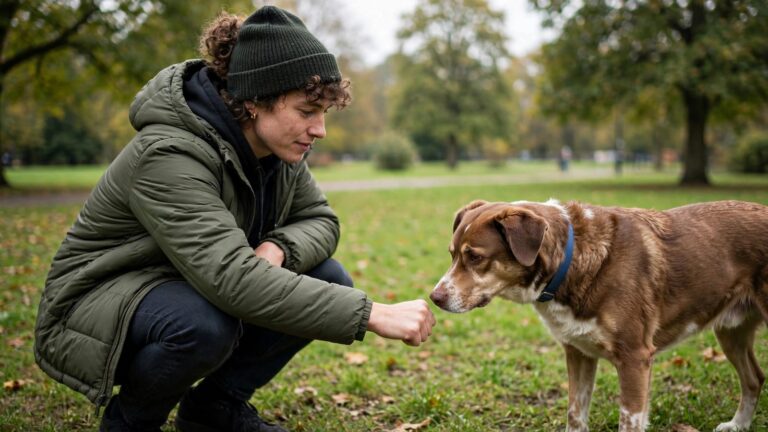
- Body language. Dogs read posture fluently. Crouching to a dog’s level, turning slightly sideways, and avoiding direct looming all signal safety. Towering over a dog, staring, and grabbing signal threat.
- Scent. Dogs live by their noses, and individual human scents — sweat, cologne, alcohol — genuinely influence how comfortable a dog feels near someone.
- Emotional consistency. Dogs are exquisitely sensitive to human moods. The calm, predictable person in the house often becomes the safe harbor, whatever their gender.
- Breed tendencies. Some breeds are simply more one-person dogs. If you are weighing male vs. female Cavalier King Charles traits and which suits you, you will see that sex of the dog can influence bonding style — but that is a separate question from the owner’s gender.
Signs Your Dog Has Picked a Favorite
Dogs show preference the same way regardless of who they pick:
- Following one person from room to room
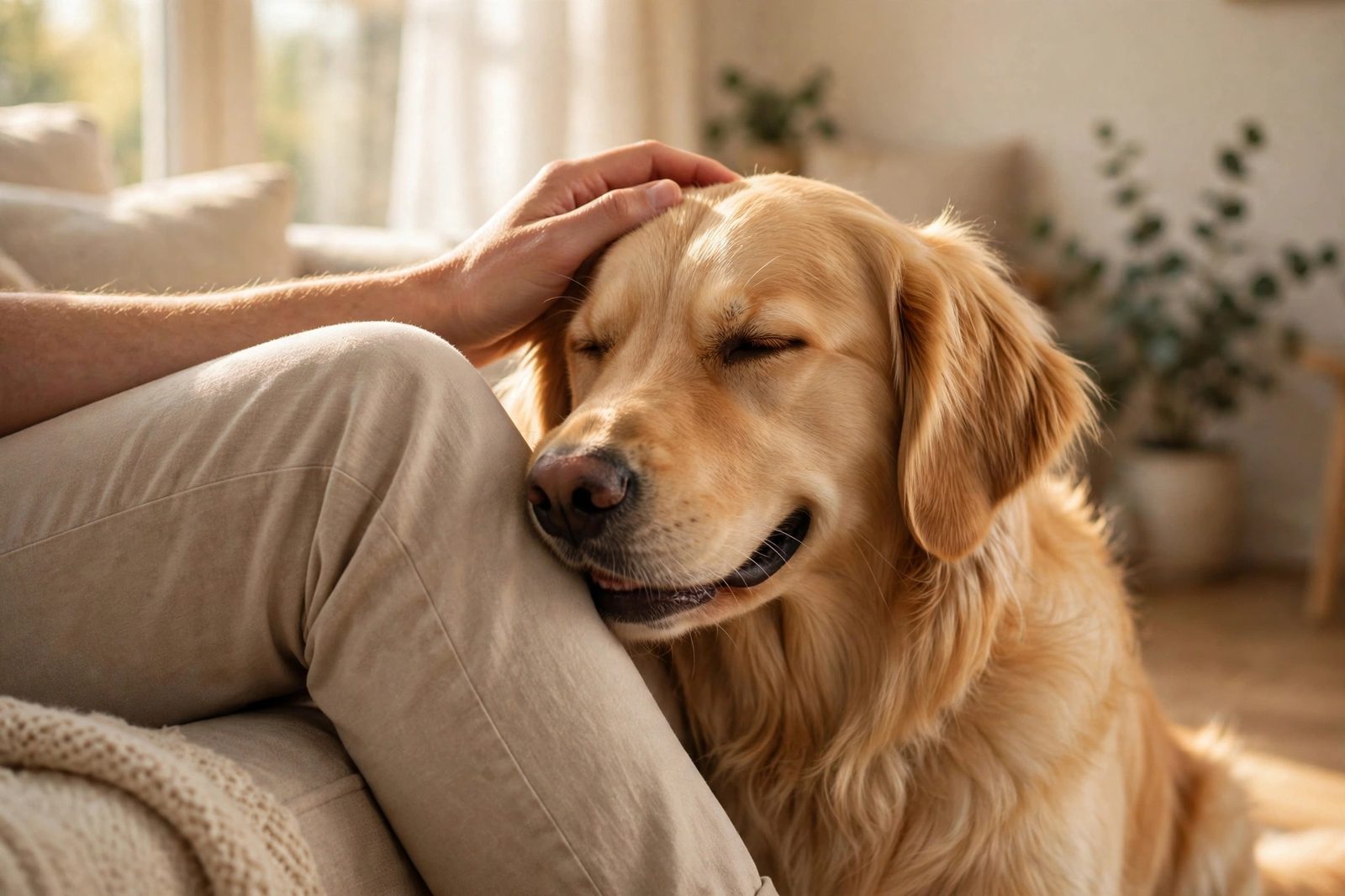
- Resting against or touching that person
- Exploding with joy specifically when that person returns
- Seeking that person out when frightened or stressed
- Making soft, sustained eye contact with them
If the favorite is not you, do not take it personally — and do not try to buy the title with treats alone. Become the source of the dog’s best daily experiences: be the one who does the morning walk, the training games, the calm evening cuddle. Preference follows investment.
How Any Owner Can Become the Favorite
Whether you are a man wondering why the dog shadows your wife, or a woman whose new rescue will not come near you, the playbook is identical:
- Own the routine. Feed, walk, and train on a predictable schedule. Reliability builds trust.
- Train with rewards, not intimidation. Positive reinforcement creates a dog that wants to be near you.
- Learn the dog’s language. Respect calming signals — lip licks, yawns, turning away — and never force interaction.
- Match your energy to the dog. Nervous dogs need calm; playful dogs need play. Meet the dog where it is.
- Be patient with fear. If a dog is wary of men (or women), use gradual, treat-paired exposure at the dog’s pace. Flooding a fearful dog with the scary thing backfires.
Matching a dog to your household goes beyond gender dynamics — comparisons like mini Australian Shepherd vs. full size show how much lifestyle fit matters, and the same principle applies to the human side of the equation.
Does the Dog’s Own Sex Change Anything?
One nuance worth separating from the owner-gender question: the dog’s sex can subtly shape bonding style. Intact male dogs are often described as more goofy and attention-seeking, while females are sometimes characterized as more independent — though neutering narrows these differences considerably, and individual temperament swamps sex as a predictor every time.
What matters far more is the match between dog personality and owner lifestyle. A high-drive young male Labrador will bond hardest with whoever throws the ball and runs the drills, whether that person is a man or a woman. A sensitive rescue will attach to whoever moves slowly, speaks softly, and never corners her. In other words, stop asking which gender the dog prefers and start asking what kind of human the dog needs — then be that human.
There is one more pattern worth naming honestly: in multi-person households, dogs frequently pick the person who is simply around the most during the first months home. Remote workers, stay-at-home parents, and retirees win the favorite-person contest by default through sheer hours logged. If that is not you, it is not a verdict on your bond — it is arithmetic. Change the arithmetic by carving out daily one-on-one time that is unmistakably yours: the morning walk, the training session, the bedtime routine.
When a “Preference” Is Actually a Problem
A mild favorite is normal. But strong fear or avoidance of one gender deserves attention:
- Fear of men (or women) that involves cowering, growling, or snapping is a socialization gap or trauma response, not a cute quirk. Work with a certified trainer or veterinary behaviorist on desensitization.
- Resource guarding one person — growling when others approach “their” human — needs training intervention before it escalates.
- Sudden changes in who the dog prefers can signal pain or illness. A dog that abruptly avoids someone it used to love should see a vet.
The AKC’s guide to why dogs prefer one partner over another covers the same ground: personality fit, routine, scent, and positive experiences outweigh everything else.
Frequently Asked Questions
Do male dogs bond better with female owners?
Not inherently. They bond best with whoever provides consistent care, gentle handling, and positive experiences — man or woman.
Why does my dog like my wife more than me?
Usually because she does more of the caregiving, uses a softer voice, or was simply around more during the dog’s early socialization. Take over walks, feeding, and training to rebalance the bond.
Are female dogs different — do they prefer male owners?
The same rules apply. A female dog’s preference is shaped by socialization and interaction quality, not by the owner’s gender.
My rescue dog is afraid of men. What should I do?
Use gradual desensitization: calm male visitors toss high-value treats without approaching, letting the dog set the pace. For severe fear or aggression, consult a veterinary behaviorist.
Can a dog change its favorite person?
Absolutely. Preferences shift as routines change — whoever becomes the primary source of good experiences tends to become the new favorite.
Conclusion
Male dogs do not prefer female owners, and female dogs do not prefer male owners. Dogs prefer the person who feels like safety, fun, and dinner — and that person can be anyone willing to show up consistently, speak kindly, and handle them with care. Be that person, and the preference takes care of itself.