
AKC Fast CAT Rankings by Breed: How to Find Them
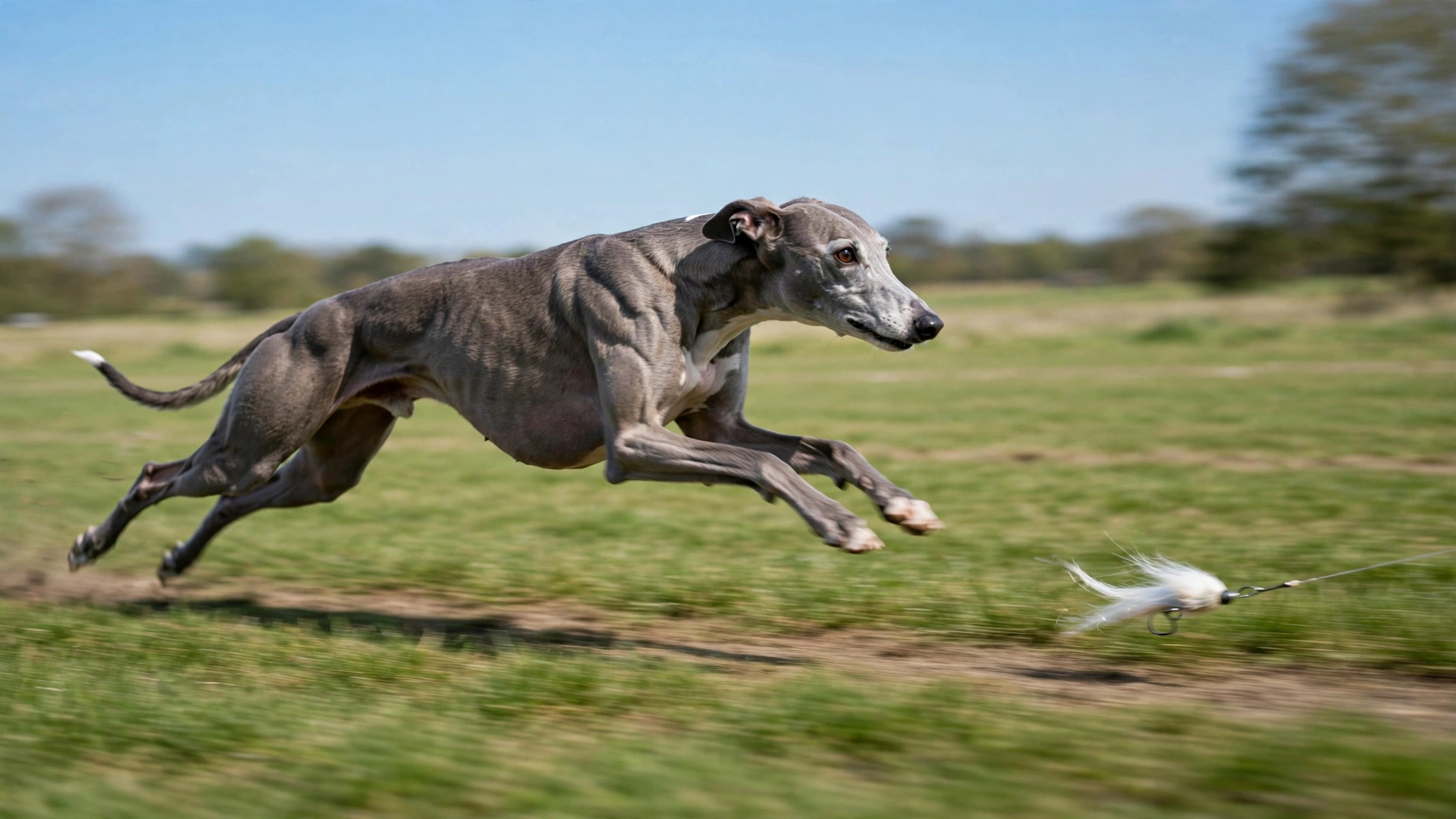
Short answer: The AKC publishes official Fast CAT rankings by breed on akc.org, updated throughout the season. Rankings are based on each dog’s average speed (in mph) across its three fastest runs, with separate lists for every recognized breed plus All-American Dogs.
If you’ve watched a lure coursing event and wondered how your dog stacks up — or whether your breed even has a ranking — here’s how the system works, where to find the lists, and how to get your own dog ranked.
What Is Fast CAT, Exactly?
Fast CAT (Coursing Ability Test) is an AKC timed sport where dogs chase a mechanically operated lure over a straight 100-yard dash. It’s open to all dogs 12 months and older that are AKC-registered, enrolled in AKC Canine Partners, or recorded with the Purebred Alternative Listing (PAL) program.
Unlike traditional lure coursing, there’s no turning or judging of style — it’s pure speed. That simplicity is why it’s become one of the AKC’s fastest-growing sports: any healthy, enthusiastic dog can try it.
How the Rankings Work
The mechanics are straightforward:
- Speed is measured in mph, calculated from the dog’s time over 100 yards.
- Each dog’s ranking score is the average of its three fastest runs in the current season.
- Rankings are split by breed — Greyhounds compete against Greyhounds, Pomeranians against Pomeranians — so every breed has its own leaderboard.
- Mixed-breed dogs appear on the All-American Dog list.
- The season runs the calendar year, and standings update as new trial results are submitted.
Where to Find the Official Rankings by Breed
The authoritative source is the AKC itself. From akc.org, navigate to the Fast CAT section under dog sports, where you’ll find top-20 lists searchable by breed. Third-party trackers also compile the data into browsable breed leaderboards with individual dog names, speeds, and run counts — handy if you want to follow a specific breed’s season without digging through AKC pages.
Because the lists update continuously through the season, a dog ranked #1 in spring can easily be overtaken by fall. Check back regularly if you’re following a campaign.
Which Breeds Top the Rankings?
No surprises at the very top — sighthounds dominate absolute speed:
- Greyhounds: regularly exceed 40 mph, the fastest of any breed
- Whippets: consistently 35+ mph
- Borzois and Salukis: built for sustained speed, always near the top
- Italian Greyhounds: remarkable speed for their size
- Herding and sporting breeds (Border Collies, Vizslas, Australian Cattle Dogs): athletic 27–31 mph range
But the beauty of breed-split rankings is that every breed has its own heroes. A Bulldog running 24 mph or a Mastiff at 22 mph can be a breed standout — see the AKC’s 2026 Fast CAT Invitational winners for proof that small and giant breeds get their moment too.
Speed of the Breed vs. Pure Speed: The Invitational
Each year, the AKC Fast CAT Invitational brings together the top dogs, with two main divisions:
- Pure Speed: the outright fastest dogs, grouped by height class — dominated by sighthounds and All-American Dogs.
- Speed of the Breed: dogs compete within their breed using a “speed of breed” percentage — how fast the dog ran relative to its breed’s average. This is where a speedy Pomeranian can beat a mid-pack Greyhound.
The Speed of the Breed format is what makes Fast CAT genuinely inclusive: your dog doesn’t need to be the fastest dog alive, just exceptionally fast for its breed.
How to Get Your Dog on the Rankings
- Make sure your dog is eligible: AKC registration, Canine Partners enrollment, or PAL listing. Questions about papers? Our breakdown of American Stock Dog Registry vs AKC eligibility explains what counts.
- Find a trial: search the AKC event calendar for Fast CAT tests near you — most clubs run several weekends per season.
- Run three qualifying runs: your dog needs three timed runs to appear on the breed ranking; the average of the three fastest becomes the ranking score.
- Keep running: faster runs replace slower ones in the average, so every trial is a chance to climb.
Titles: BCAT, DCAT, and FCAT
Alongside rankings, dogs earn titles based on cumulative points (points = mph × handicap based on height):
- BCAT: 150 points
- DCAT: 500 points
- FCAT: 1,000 points — with numbered levels (FCAT2, FCAT3…) for every additional 500
You’ll see these suffixes everywhere in the rankings — a “FCAT5” dog has earned 3,000+ points across its career.
Curious how AKC placements and titles work in other events? Our explainer on what a Reserve Winner means in a dog show covers the conformation side of AKC competition.
Frequently Asked Questions
How often are Fast CAT rankings updated?
Continuously through the season as clubs submit trial results. Expect a lag of days to weeks after any given event.
Can mixed-breed dogs be ranked?
Yes — dogs enrolled in AKC Canine Partners appear on the All-American Dog rankings, and they compete at the Invitational too.
What’s a good Fast CAT speed for my breed?
Check your breed’s current top 20: the #20 dog’s speed is a realistic first target. For many non-sighthound breeds, anything in the mid-20s mph is competitive.
Does my dog need training to try Fast CAT?
No formal training required. If your dog will chase a moving lure (most do instinctively), you can enter a trial. A practice “fun run” first is a great idea.
Conclusion
The AKC Fast CAT rankings by breed turn a simple 100-yard dash into a season-long story for every breed, from Greyhounds to Chihuahuas. Look up your breed’s list, find a local trial, and get three runs in — you might be surprised how far up the leaderboard your dog can climb.