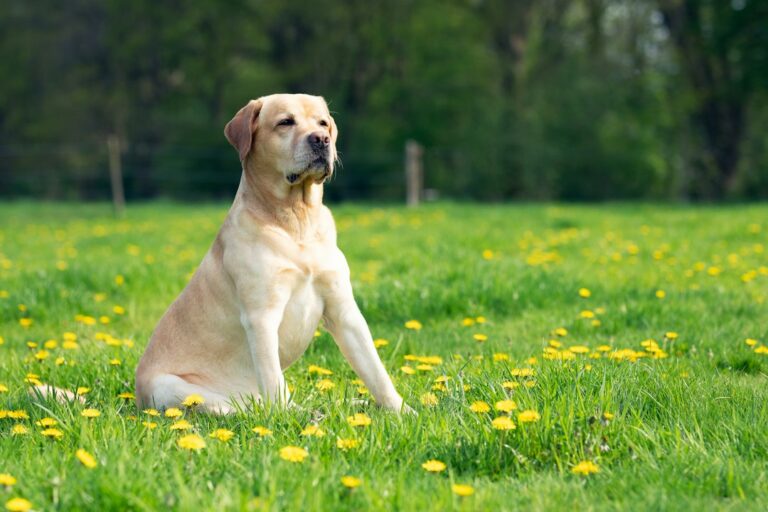
Large Dog Breed With Longest Lifespan: 15 Long-Lived Breeds

The Quick Answer
The large dog breed with the longest lifespan is the Belgian Malinois, averaging 14–16 years — remarkable for a dog that can weigh 60–80 pounds. Close behind are the German Shorthaired Pointer, Australian Shepherd, Standard Poodle, and Vizsla, which commonly reach 12–15 years. As a rule, lean, athletic, medium-large breeds with moderate builds outlive the giant mastiff types, which often live only 7–10 years.
Genetics sets the ceiling, but your daily choices — weight control, nutrition, exercise, preventive vet care, and choosing a health-screened, responsibly bred puppy from an ethical breeder — decide how close your dog gets to it.
Why Do Large Dogs Age Faster Than Small Dogs?
It seems unfair: a Chihuahua may see 17 birthdays while a Great Dane rarely reaches 10. Research into canine aging has shown that large dogs don’t just live fewer years — they actually age faster, biologically speaking.
A major study of more than 56,000 dogs at North American veterinary hospitals found that large breeds age at an accelerated pace compared to small ones, and they die more often from cancer. One leading theory is that big dogs grow so rapidly as puppies that their cells are more prone to the abnormal growth seen in cancer. In other words, the same fast growth that turns a roly-poly puppy into an 80-pound adult in under a year may also speed up the aging clock.
Size is the single strongest predictor of lifespan in dogs — more important than whether the dog is purebred or mixed. But it isn’t destiny. Within the large-dog category, there’s enormous variation: a Belgian Malinois can outlive a Mastiff by nearly a decade. Breed genetics, body structure, and how the dog is raised all matter enormously.
15 Longest-Lived Large Dog Breeds
Ranked by average life expectancy, these are the big dogs most likely to be by your side for a very long time. “Large” here means breeds that typically weigh 45 pounds or more.
| Rank | Breed | Typical Weight | Average Lifespan |
|---|---|---|---|
| 1 | Belgian Malinois | 60–80 lbs | 14–16 years |
| 2 | German Shorthaired Pointer | 45–70 lbs | 12–15 years |
| 3 | Australian Shepherd | 40–65 lbs | 12–15 years |
| 4 | Standard Poodle | 45–70 lbs | 12–15 years |
| 5 | Vizsla | 45–65 lbs | 12–15 years |
| 6 | Belgian Tervuren | 45–75 lbs | 12–14 years |
| 7 | Giant Schnauzer | 55–95 lbs | 12–15 years |
| 8 | Weimaraner | 55–90 lbs | 11–14 years |
| 9 | Labrador Retriever | 55–80 lbs | 11–14 years |
| 10 | Anatolian Shepherd | 80–150 lbs | 11–13 years |
| 11 | Dalmatian | 45–70 lbs | 11–13 years |
| 12 | Golden Retriever | 55–75 lbs | 10–13 years |
| 13 | German Shepherd | 50–90 lbs | 10–13 years |
| 14 | Doberman Pinscher | 60–100 lbs | 10–13 years |
| 15 | Rhodesian Ridgeback | 70–85 lbs | 10–12 years |
1. Belgian Malinois (14–16 years)
The longevity champion among large breeds. The Malinois is a lean, athletic working dog bred for endurance, and its efficient body type pays off in years. These dogs need serious daily work and mental challenge — a bored Malinois is a destructive Malinois. Watch for hip dysplasia and bloat, and this breed rewards experienced, active owners with the longest companionship of any big dog.
2. German Shorthaired Pointer (12–15 years)
The all-around athlete of the dog world. GSPs are lean, hardy, and famously healthy for their size. Their naturally active lifestyle keeps them fit, and they rarely sit still long enough to become overweight. They thrive in homes that hunt, hike, or run, and their short coat makes grooming easy.
3. Australian Shepherd (12–15 years)
Smart, agile, and built to work all day on a ranch, Aussies often live well into their teens. They do need a job — dog sports, herding, or advanced training — to stay happy. Epilepsy and eye conditions are the main health concerns, so buy from a breeder who health-tests breeding stock.
4. Standard Poodle (12–15 years)
The poodle is the overachiever of longevity: athletic, highly trainable, and low-shedding. Their above-average lifespan comes from sound structure and generally good health. Bloat is a real risk in this deep-chested breed, so learn the warning signs and consider feeding multiple smaller meals.
5. Vizsla (12–15 years)
The “Velcro dog” of Hungary is lean, gentle, and closely bonded to its family. The Vizsla’s moderate size and healthy genetics give it one of the best longevity profiles among sporting breeds. These are sensitive, people-oriented dogs that do poorly in kennels and wonderfully in active, affectionate homes.
What Actually Decides How Long Your Large Dog Lives
Breed sets a range, but six factors decide where within that range your dog lands:
- Body weight. This is the big one. Studies consistently show that overweight dogs of every breed live shorter lives — and the effect is magnified in large breeds, where extra pounds stress joints, the heart, and organs. A lean Lab often outlives an obese one by years.
- Genetics and breeding. Responsible breeders screen for hip dysplasia, heart disease, eye disorders, and breed-specific cancers. Buying from a breeder who does the work — or adopting a mixed-breed dog, which often benefits from hybrid vigor — gives your dog a genetic head start.
- Nutrition. Large-breed puppy formulas with controlled calcium and steady growth rates protect joints during the rapid-growth months. For adults, a complete, balanced diet fed in measured portions beats free-feeding every time.
- Veterinary care. Annual wellness exams catch problems early, when they’re cheapest and most treatable. Senior large dogs benefit from twice-yearly checkups starting around age 6–7.
- Exercise. Most of the long-lived breeds on this list are athletes for a reason. Consistent, appropriate exercise maintains muscle, protects joints, and keeps weight in check. Match the activity to your dog’s age and structure.
- Spay/neuter timing. In large and giant breeds, early neutering before growth plates close has been linked to higher rates of joint disorders and some cancers. Many breeders and vets now recommend waiting until 18–24 months for large breeds.
7 Care Tips That Help Big Dogs Live Longer
- Keep them lean. You should be able to feel your dog’s ribs with light pressure and see a visible waist from above. Treats count as calories — keep them under 10% of daily intake.
- Feed for their life stage. Use a large-breed puppy formula until 12–18 months, then an adult formula, then a senior formula around age 7. Don’t guess at portions — weigh the food and weigh the dog regularly.
- Protect the joints early. Avoid forced running on hard surfaces and repeated stair climbing during the first year. Glucosamine and omega-3s are worth discussing with your vet for at-risk breeds.
- Brush their teeth. Dental disease is rampant in dogs and the chronic inflammation is linked to heart and kidney problems. Daily brushing beats annual dentals alone.
- Know bloat warning signs. Deep-chested breeds are at risk for gastric dilatation-volvulus — restlessness, a swollen abdomen, and unproductive retching. It’s a race-the-clock emergency, so know your nearest emergency vet.
- Keep the mind busy. Training, puzzle feeders, scent work, and social time reduce chronic stress and keep an aging dog’s brain sharp.
- Schedule senior screening. Bloodwork, blood pressure, and joint checks starting at middle age catch kidney disease, hypothyroidism, and arthritis before they steal quality of life.
For more on the science of canine aging and the simple steps that matter most, see the AKC’s guide to extending your dog’s lifespan.
Frequently Asked Questions
What is the single longest-living large dog breed?
The Belgian Malinois, at 14–16 years on average, is the large dog breed with the longest lifespan. Individual dogs of other breeds can exceed breed averages — well-cared-for Labs and Goldens regularly reach 15 or 16 — but no large breed beats the Malinois for average longevity.
Do mixed-breed large dogs live longer than purebreds?
Often, yes. Mixed-breed dogs tend to outlive purebreds of similar size, likely because of greater genetic diversity and fewer inherited disorders. A large mixed-breed dog commonly reaches 12–14 years. That said, a responsibly bred purebred from health-tested parents can also live a very long life.
Why do giant breeds like Great Danes die so young?
Giant breeds grow at an astonishing rate — a Great Dane can gain 100+ pounds in its first year. That explosive growth appears to accelerate aging and increase cancer risk. Their massive size also stresses the heart, joints, and skeleton, and they’re prone to bloat, cardiomyopathy, and bone cancer.
Can bringing home two puppies help them live longer?
Companionship can enrich a dog’s life, but raising two puppies from the same litter is a serious commitment with real challenges — it’s not a longevity strategy on its own. Social time with other dogs does support mental health, which is one piece of a long, healthy life.
The Bottom Line
If you want a big dog that stays with you for many years, start with one of the naturally long-lived breeds — the Belgian Malinois leads the pack — then give it the care that matters: a lean body, good food, daily exercise, preventive vet care, and responsible breeding behind it. The breed chooses the range; you choose where your dog lands in it.