What Does Microchipped Mean for a Dog?
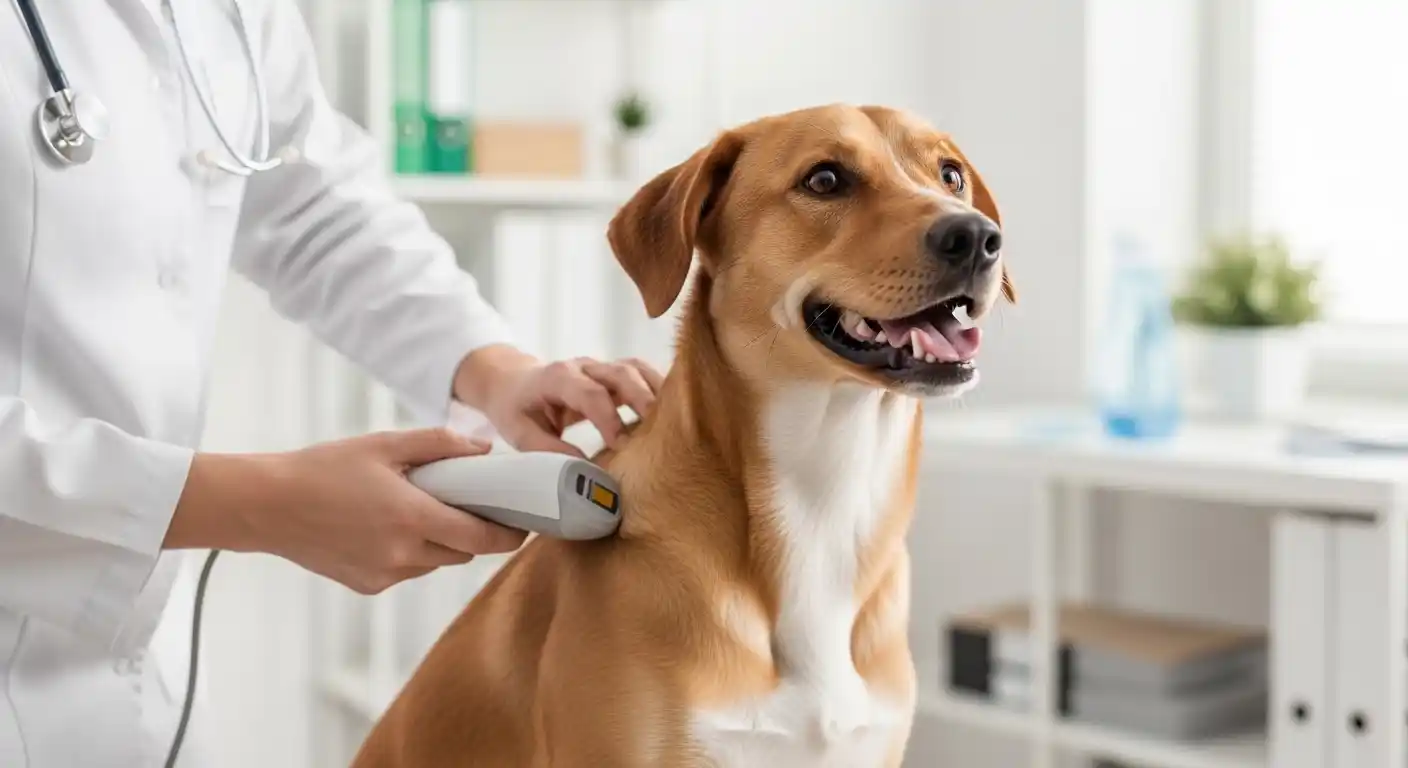
When a dog gets microchipped, a tiny microchip is placed under the skin. This small implant is about the size of a grain of rice. It holds a unique identification ID number that links to your contact information.
I have seen many pets get lost, and this permanent identification helps animal shelters and veterinary clinics find the owner identification fast.
Read more: How to Dry a Puppy After Bath?
How It Works
Identification and Scanning
- The microchip contains a unique identification ID number
- This number is linked to your contact information
- Animal shelters and veterinary clinics use scanners to:
- detect
- read
- Identify the chip
Technology Behind It
- The scanner uses:
- radio frequency identification device RFID
- electrical field
- It helps to:
- activate the chip
- display the ID
- There is no battery
- It lasts for a lifetime duration
Database and Contact
- The registry database stores:
- phone
- address
- owner identification
- A vet or staff member can:
- contact you
- Help return your lost dog
Implant Process and Safety
How It Is Implanted
- The microchip is implanted using:
- a needle
- a syringe
- It is like a vaccine injection
- It is placed:
- between the shoulder blades
- A numbing agent may reduce discomfort
In my experience, most dogs feel only mild, non-painful pressure, like during a normal vaccination.
Side Effects and Risks
- Common side effects:
- tenderness
- swelling
- Rare issues:
- infection
- tumor formation
- Overall:
- benefit outweighs risk
Also read: How Long Do Golden Retrievers Teeth?
Tracking and Limitations
No GPS Tracking
- There is no GPS tracking
- The chip cannot track location
- It only works when a scanner reads it
Detection Issues
- Things that can interfere:
- metal collar
- fat
- matted coat
- wet coat
- human error scanning technique
- Rare problems:
- Chip may fail
- become unreadable
- migrate in the body
Using universal scanners improves detection
Maintenance and Updates

Keeping It Working
- Always keep:
- registration
- updated contact
- Check yearly to ensure it is still functioning
Extra Details People Often Miss
Tags and Identification
- A microchip does not replace:
- identification tags
- rabies tags
- collar
- These help with quick tracing
Adoption and Registration
- If your pet is adopted:
- check paperwork
- Note the microchip number
- Find the company
- You may need to:
- register
- update
- Use a lookup tool
Multiple Chips and Travel
- Some pets may have:
- Two microchips with different frequencies
- They do not interfere
- Travel may require:
- standards
- regulations
- vaccinations
Rare Concerns
- Some studies mention:
- cancer in mice and rats
- The risk is low
- Removal needs:
- anesthesia
- surgery
- It is not usually recommended
Common Issue
- The biggest problem:
- incorrect or disconnected telephone details
- This reduces the chance of being reunited
Also read: Why Dogs Lay on Their Backs?
Conclusion
A microchip is a simple and lasting way to protect your dog. It helps animal shelters and veterinary clinics find you if your pet is lost. But it only works well when your contact information is correct and up to date.