When Can Puppy Have First Bath
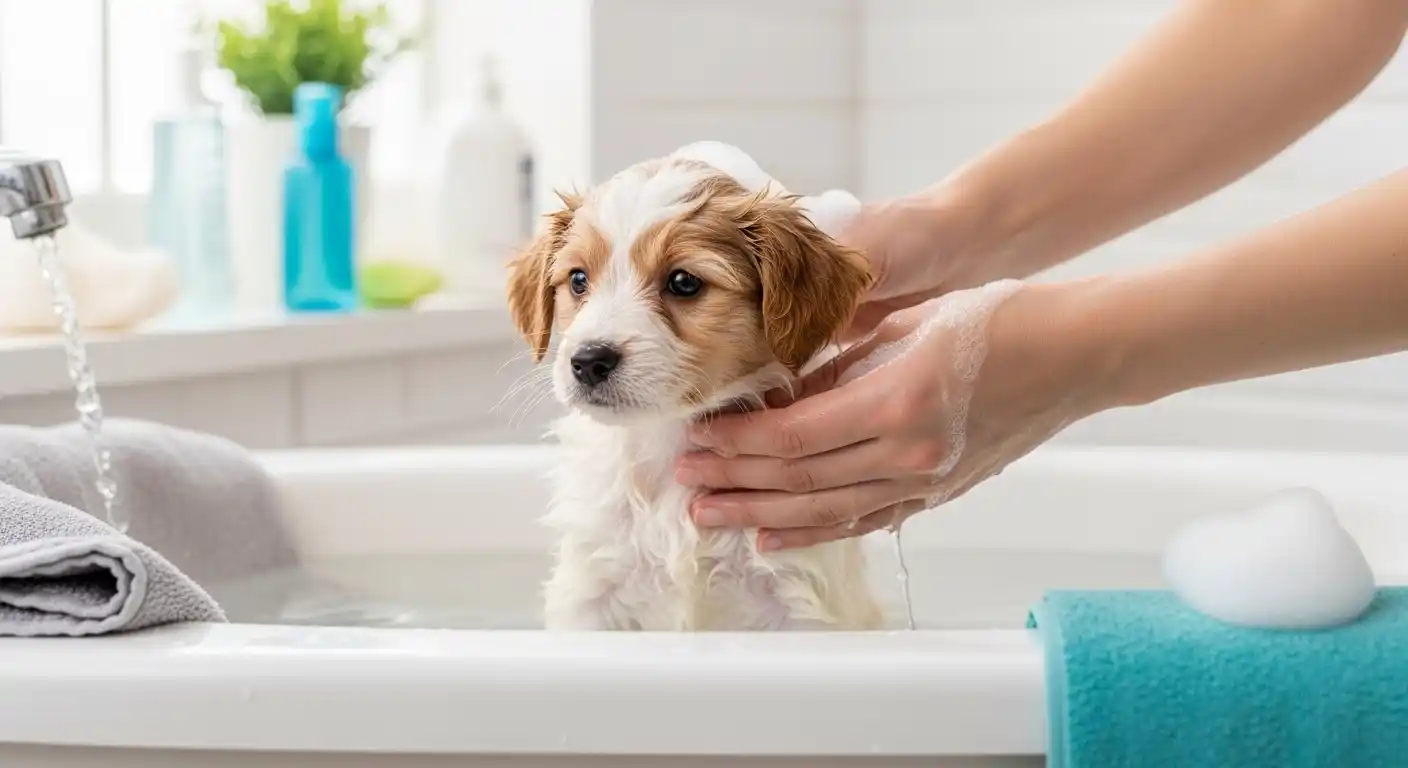
A puppy feels like a baby when you are bringing home your new canine companion. Many dog owners feel this responsibility and face the unknown about the puppy’s first bath, where to wash, and how often to bathe. From my experience, it can be straightforward and stress free with the right step by step instructions and useful tips for success.
Puppy First Bath Basics
When Is the Right Age
- Most dog grooming experts say the first time bath age is six to eight weeks
- Young puppies do not self regulate body temperature
- A puppy less than eight weeks can get overheated or too cold during the bathing process
- It is better to wait until eight weeks old in early development
What to Do Before That
- If your puppy is dirty or smelly, use wiping with a warm washcloth or pet safe wipe
- Avoid full blown baths at this stage
Where You Can Bathe
- You can bathe at home using a bathtub, sink, or container
- You can visit a groomer or pet wash grooming facility
- Make sure your puppy is fully vaccinated and meets vaccine requirements
Also read: How to Dry Puppy After Bath ?
Safe Bath Routine and Real-Life Tips

Puppy Bathing Preparation
For puppy bathing first time, keep everything in hand:
- treats, puppy treats for reward and good behavior
- towel, brush, dog shampoo
- nonslip mat for a secure setup
Use appropriate shampoo formulated for dogs. Human shampoo is not suitable. Ask a veterinarian for recommendations.
Before the Bath
- Gently brush the coat to remove dirt, debris, loose hair, and tangles
- Helps with matted fur, especially in long haired dog breed
- Use simple movements to help your young dog relax
Choosing the Bath Spot
- Use kitchen sink for small puppies
- Use backyard with a hose for larger breeds
- Ensure outside temperature warm enough
Bath Steps
- Check water temperature – keep it lukewarm, not hot or cold
- Scrub gently, wash, and massage
- Check skin, lumps, or rough areas
- Avoid washing face
- Use a damp wash cloth to wipe face and protect eyes and ears
- Rinse well to avoid leftover shampoo causing dry itchy flaky skin
Drying After Bath
- Expect a post bath shake as dogs dry by shaking
- Use a towel and rubbing dry
- Use a hair dryer on warm or cool setting with caution
- Loud noise scares and may overheat
Making It Positive
- Give praise and reward good behavior
- Offer a special treat or fun toy
- Create a positive experience
How Often Should You Bathe
- No more than once a month unless necessary
- Protect natural oils in the coat
- Keeps fur soft silky and not brittle damaged
- Bathing too often can strip away oils
- Can lead to itching, dermatitis, or eczema
Real-Life Observations
- Puppies are playful curious explorers
- They enjoy mud puddles, rolling, even in urine or poop
- They can become smelly, so an extra bath may be needed
Bath Frequency
- Normal bath cycle: two to four weeks
- Depends on breed, coat type, and season
Grooming and Training Insights
- Some breeders and show dogs follow weekly bathing with proper products, tools, and conditioner
- Start early introduction to baths
- Use training and socializing with sounds, sights, garden hose, rain, or snow
- Helps avoid a scared reaction and improves grooming experience
- Supports lifelong grooming and better skin health
Personal Experience
I had a shelter pup with a strong smell, so I gave a water bath at 8 week old puppy stage using puppy safe shampoos. It helped with bonding and trust building, and the puppy became more comfortable with baths.
FAQs
Can I Bathe a Puppy Before 8 Weeks
- Not recommended due to body temperature issues
- Use warm washcloth or pet safe wipe instead
Is Shampoo Safe for Puppies
- Yes, if it is appropriate shampoo formulated for dogs
- Avoid human shampoo
What If My Puppy Hates Baths
- Do not force the process
- Use praise, reward, and short sessions
- Build comfort through early introduction and positive experience
Also read: Why Dogs Lay on Back?
Conclusion
A puppy first bath should be done at the right age with care to protect body temperature and skin health. With proper routine, training, and frequency, you can keep your puppy clean, healthier happier sweeter smelling, and build a strong bond with your family member.