Should I Let My Puppy Chew on Sticks
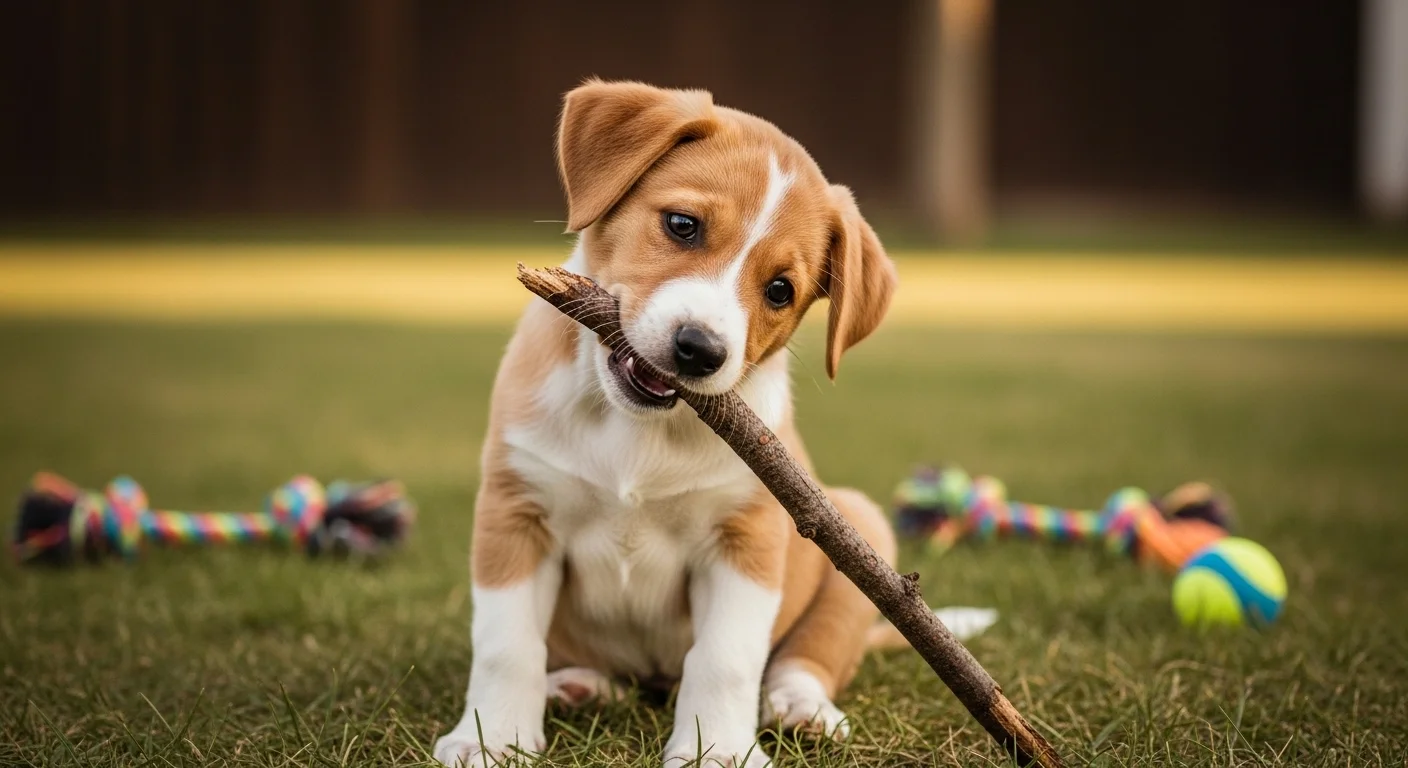
Puppies love to chew on sticks, and it often looks like harmless play. But this common habit can quickly turn into a serious risk without proper supervision and care.
Why Puppies Love Sticks but Face Risks
I had a puppy, a 4 months old, pitbull dachshund mix, who loved to chew on sticks during outdoor hobbies. It looks like harmless play, but I saw real danger.
Dogs, dogs chewing sticks, and dog chewing behavior come from natural behavior, natural activity, and chewing motivation. Dogs like sticks because of multi sensory stimulation like smells, taste, bumps, and grooves.
It also helps in:
- teeth cleaning
- dental care
- plaque removal
- tartar buildup
But it can build a bad chewing habit and even lifelong chewing behavior.
During the teething phase, puppies teething feel oral discomfort and aching gums, so they start licking stick, chewing sticks, and even eating everything due to:
- boredom
- attention
- chewing habits
- hunting instinct
- scavenging instinct
- wild behavior in domesticated dogs
This also gives:
- mental stimulation
- brain stimulation
- entertainment
- boredom relief
- anxiety relief
These effects happen through endorphins and a calming effect, but without supervision and constant monitoring, problems start.
Also read: How Long Do Golden Retrievers Teeth
Health Risks and Real Dangers

I learned the hard way that swallowing wood, swallowing wood pieces, and ingestion can cause puppy sickness.
Things like:
- bird poop
- dried bird poop
- remnants
on sticks bring parasite infection, bacterial infections, and even serious health risks.
My pup once had:
- diarrhea
- blood in stool
- vomiting
This led to a vet visit, overnight care, fluids, a parvo check, and medications. It affected her bowl movements and needed strict supervision because puppies like babies need constant monitoring.
Small stick pieces, stick splinters, or a throat lodged stick can cause:
- choking hazard
- choking risk
- fishing objects from mouth
Other serious issues include:
- bowel obstruction
- eye injuries
- wounds
- splinters gums
- impaling injuries
- throat injuries
- internal tissue damage
These lead to:
- mild injuries
- severe injuries
- life threatening injuries
They may require urgent vet treatment or even euthanasia.
Even fetching sticks or chasing sticks can be risky due to:
- stick sizes
- stick weights
- unpredictable movement
- bounce direction
- throwing sticks
- thorns
- branches
All of this makes sticks a dangerous toy.
Safer Ways to Manage Chewing
Instead of stopping chewing fully, I shifted to safer alternatives and better guidelines. I used leave it training and leash training, and swapped sticks for treats to break the stick chewing habit and avoid a bad eating habit.
Safe Alternatives
Good options include:
- ball toy
- rope attached ball
- rope toy
- fake stick toy
- chew toys
- rubber toys
- plastic toys
These help in dog play and support healthy chewing habits without harmful toxins.
For stronger chewers:
- natural chew sticks
- chew sticks
- occasional treat
- dog treats
Choose products made with:
- natural ingredients
- sustainable materials
- non toxic
- hypoallergenic
- non splintering
- food grade quality
You can also try:
- deer antlers
- elk antlers
- safer wooden sticks
- pet sticks online
But note they can be expensive chew sticks, even if they are long lasting chew toys.
Safe Chewing Practices
Always focus on:
- toy size selection
- size selection
- shape selection
This is important for small dogs to prevent breakable pieces and swallowing risk.
Keep supervision importance high during chew time and use designated toys to avoid:
- destructive chewing
- aggressive chewing
Too much chewing needs limited chewing based on instructions and serving size, or it can cause:
- teeth damage
- gum damage
The goal is responsible ownership, meeting pet needs, improving well being, dog happiness, and maintaining a safe environment with proper pet care and swallowing prevention, while still supporting:
- jaw exercise
- saliva production
- bacteria neutralization
Also read: Why Dogs Lay on Back?
FAQs
Is it safe for puppies to chew sticks?
It may look safe, but sticks can cause choking hazard, infections, and serious injuries.
Why do puppies chew sticks?
It comes from natural chewing instinct, boredom, teething phase, and mental stimulation needs.
What are better alternatives to sticks?
Safer choices include chew toys, rope toy, ball toy, and natural chew sticks made from safe materials.
Conclusion
Chewing sticks may seem natural, but it carries real risks from choking to serious injuries. With proper supervision, training, and safer alternatives, you can protect your puppy while still supporting healthy chewing habits.