
Black Mouth Cur and Hound Mix: A Practical Adoption Guide

A Black Mouth Cur and hound mix is a dog described as having Black Mouth Cur ancestry combined with a hound. Because “hound” covers many breeds, the label does not predict one exact size, temperament, or exercise requirement.
The most useful approach is to assess the individual dog's behavior and available history. Expect to plan for exploration, training, and secure handling, while avoiding promises about a mixed dog's adult appearance or personality.
What the breed label actually tells you
The Black Mouth Cur is a working dog associated with hunting and other practical tasks. The United Kennel Club's Black Mouth Cur standard describes an agile dog with a short close-fitting coat and a strong desire to work.
A hound parent could be a Basset Hound, a coonhound, or another very different dog. Those possibilities change the likely picture substantially.
Some websites use “Cursset” for a Black Mouth Cur and Basset Hound cross. That nickname does not apply to every Black Mouth Cur and hound mix, and it does not create a standardized breed with guaranteed traits.
In a shelter, a breed label may be a visual estimate. A dark muzzle is not proof of Black Mouth Cur ancestry. Treat the label as background information rather than a substitute for a temperament assessment.
Size and appearance: why there is no single range
Parent size, ancestry beyond the immediate parents, and age all matter. A puppy with a short-legged hound parent may develop very differently from one with a large long-legged hound parent.
For an adult, measured weight and body condition are more useful than a predicted breed range. For a puppy, ask about known parents, estimated age, growth so far, and veterinary assessment.
Avoid choosing equipment solely from an online average. Measure the actual dog for a harness, bed, or crate and allow for growth where appropriate.
Temperament questions to ask
Working-dog ancestry can suggest that physical activity and mental tasks may be rewarding. It does not prove that every mix will be highly energetic, protective, vocal, or difficult.
Ask the foster carer or shelter specific questions:
- How does the dog settle after an outing?
- What happens when they see another dog or a small moving animal?
- How do they respond to visitors and handling?
- Have they lived with children, cats, or dogs?
- What do they do when left alone?
- Which activities and rewards interest them?
Context matters. A dog stressed in a kennel may behave differently after settling in a home. Ask how observations were made and whether a supported trial or further meeting is possible.
Exercise and enrichment
Plan daily walks with opportunities to sniff, alongside short training sessions and rest. Let the individual dog's age, fitness, and response guide intensity.
Scent searching can be a useful activity for a dog that enjoys following smells. Start with an easy supervised game, such as finding a toy in a visible nearby location, before making the search more challenging.
A big yard does not automatically provide a satisfying routine. Nor should an energetic reputation lead to constant exercise without recovery. Our article on recognizing boredom offers ways to evaluate the routine.
Training priorities for the first weeks
Begin with name response, comfortable leash handling, recall foundations, and calm settling. Use rewards that your dog values, keep sessions brief, and practice in quiet settings first.
Manage chase opportunities with an appropriate harness, leash, and secure enclosure. Do not test an unproven recall near roads or livestock.
Introduce visitors gradually. Avoid asking strangers to lean over the dog or insist on petting. Our guide to meeting a dog for the first time provides a calmer approach.
If guarding, severe reactivity, or distress appears, seek qualified support instead of interpreting it as an inevitable breed trait.
Grooming and ordinary care
Many dogs with this description have a relatively short coat, but check the individual's coat rather than assuming. Gentle brushing, nail checks, dental care, and inspection after outdoor activity belong in the routine.
Discuss preventive care and any known history with your veterinarian. A mixed background does not guarantee freedom from inherited or acquired health problems.
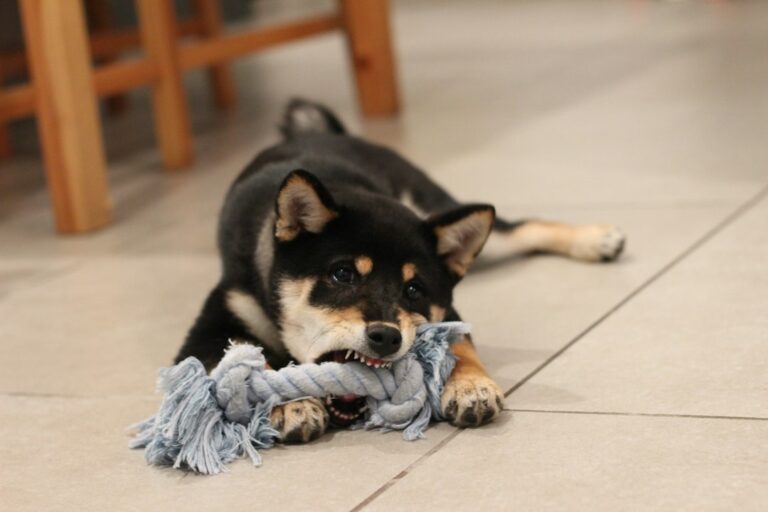
Photographs are useful for appearance, but cannot establish ancestry. The featured photo for this guide is illustrative, not a verified example of this cross.
Frequently asked questions
### Is this mix a recognized breed?
The Black Mouth Cur itself is recognized by the UKC. A Black Mouth Cur and hound cross is not a single standardized purebred breed.
Is the mix automatically good with children?
No. Assess the individual, supervise interactions, and teach children appropriate behavior.
Will a DNA test tell me everything?
It may provide ancestry information, subject to the test's breed database and limitations. It does not replace observing behavior or planning care.
Featured photo: Tomas Bankauskas / Unsplash.




One Comment
Comments are closed.