
Australian Shepherd and Border Collie Mix: A Realistic Owner’s Guide

An Australian Shepherd and Border Collie mix, often called a Border Aussie, combines two herding-breed backgrounds. Many are energetic, quick to learn, and attentive to movement. The mix does not have one fixed size, appearance, or temperament, so assess the individual rather than relying on a designer-dog label.
This can be a rewarding companion for someone who enjoys daily training and varied activity. It can also be a poor fit for a household expecting a low-effort dog that entertains themselves while everyone is away.
What might a Border Aussie look like?
The coat, markings, ear carriage, and build can resemble either parent or a combination. A fluffy coat or merle pattern does not establish the dog’s ancestry. Photos online show possibilities, not a guaranteed adult outcome for a puppy.
Size predictions are also estimates. The parents and an adult dog’s actual measurements are more useful than a single number assigned to every mix. If adopting, ask which details are verified and which are a shelter’s best guess.
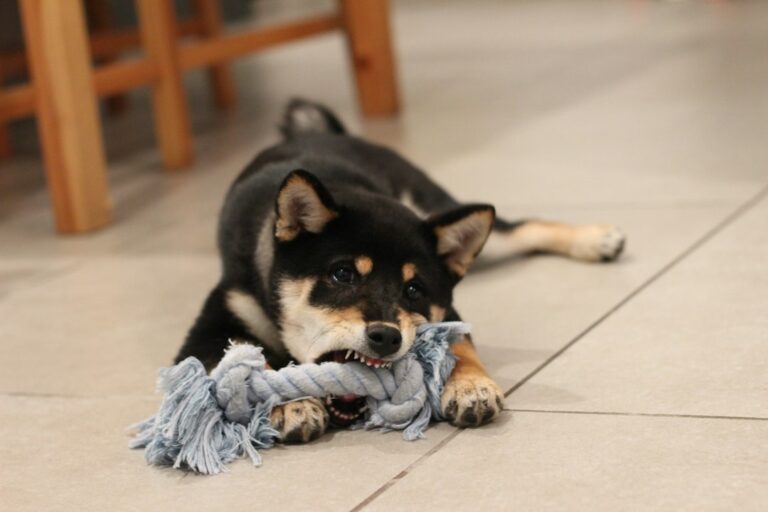
The featured photograph illustrates a Border Collie, one of the parent breeds. It is not presented as a verified example of this mix.
Temperament: bright does not mean effortless
A dog that learns quickly can learn unwanted habits quickly too. Chasing movement, barking for interaction, or repeatedly demanding a ball may become established if those actions keep working.
Some individuals enjoy strangers; others need slower introductions. Some coexist comfortably with other pets; others need careful management around running animals. Social experiences, learning history, and the individual’s disposition all affect the result.
The PetMD Border Aussie guide describes the mix’s commonly reported activity and care needs. Use those tendencies to plan questions, not to promise a particular personality.
Build a routine with different kinds of activity
Think beyond a long game of fetch. A useful daily routine may include:
- A walk that allows time to sniff and explore.
- Short sessions practicing useful cues or new skills.
- An appropriately easy puzzle or supervised search game.
- Play that starts and stops calmly.
- Quiet time in a comfortable resting area.
Adjust activity to age, fitness, and the dog’s response. Puppies need developmentally appropriate experiences, not an adult endurance schedule. Persistent restlessness does not automatically mean the dog needs more intense exercise.
Teach an off switch as a skill
Reward your dog for lying calmly while normal household life continues. Begin in an easy setting after their basic needs have been met. A mat or predictable resting place can help, but the dog still needs company and sensible breaks.
Avoid making every glance at you lead to another exciting game. Offer a clear end to play, then a quieter activity or rest. If your dog cannot relax despite a balanced routine, seek help rather than continually escalating exercise.
Our guide to signs of boredom in dogs explains why looking at the pattern is more useful than treating every chewed object as proof of insufficient activity.
Manage herding-style behavior
Movement can be especially interesting to dogs from herding backgrounds. Running children, bicycles, or another pet may trigger chasing. Prevention matters: use distance, secure boundaries, and a leash where needed while you teach an alternative response.
Reward checking in with you and moving away from distractions. Do not invite ankle chasing as a cute puppy game and then expect the adolescent dog to understand it has become unacceptable.
Children should never be responsible for interrupting chasing or controlling an excited dog. Adults need to manage the environment and provide an appropriate training plan.
Coat care and everyday practicalities
Expect to check the coat regularly for tangles and loose hair. The exact routine depends on the coat your dog actually has. Introduce brushing, paw handling, and other grooming gently before they become urgent tasks.
Consider travel, daytime care, and the ability to provide training even during a busy week. A dog described as clever and athletic still needs the same practical arrangements as any other dog.
Questions before adopting or buying
Ask how the dog responds to being alone, visitors, handling, moving animals, and the end of play. For a puppy, ask about parent behavior and early experiences while accepting that adult traits cannot be guaranteed.
Choose this mix because you want the daily work of living with an active dog, rather than because two intelligent breeds sound like an automatically easier pet. A good match leaves time for exercise, learning, companionship, and genuine rest.
Featured photo: Anna Dudkova / Unsplash.






One Comment
Comments are closed.