Dutch Shepherd American Staffordshire Terrier Mix: Guide
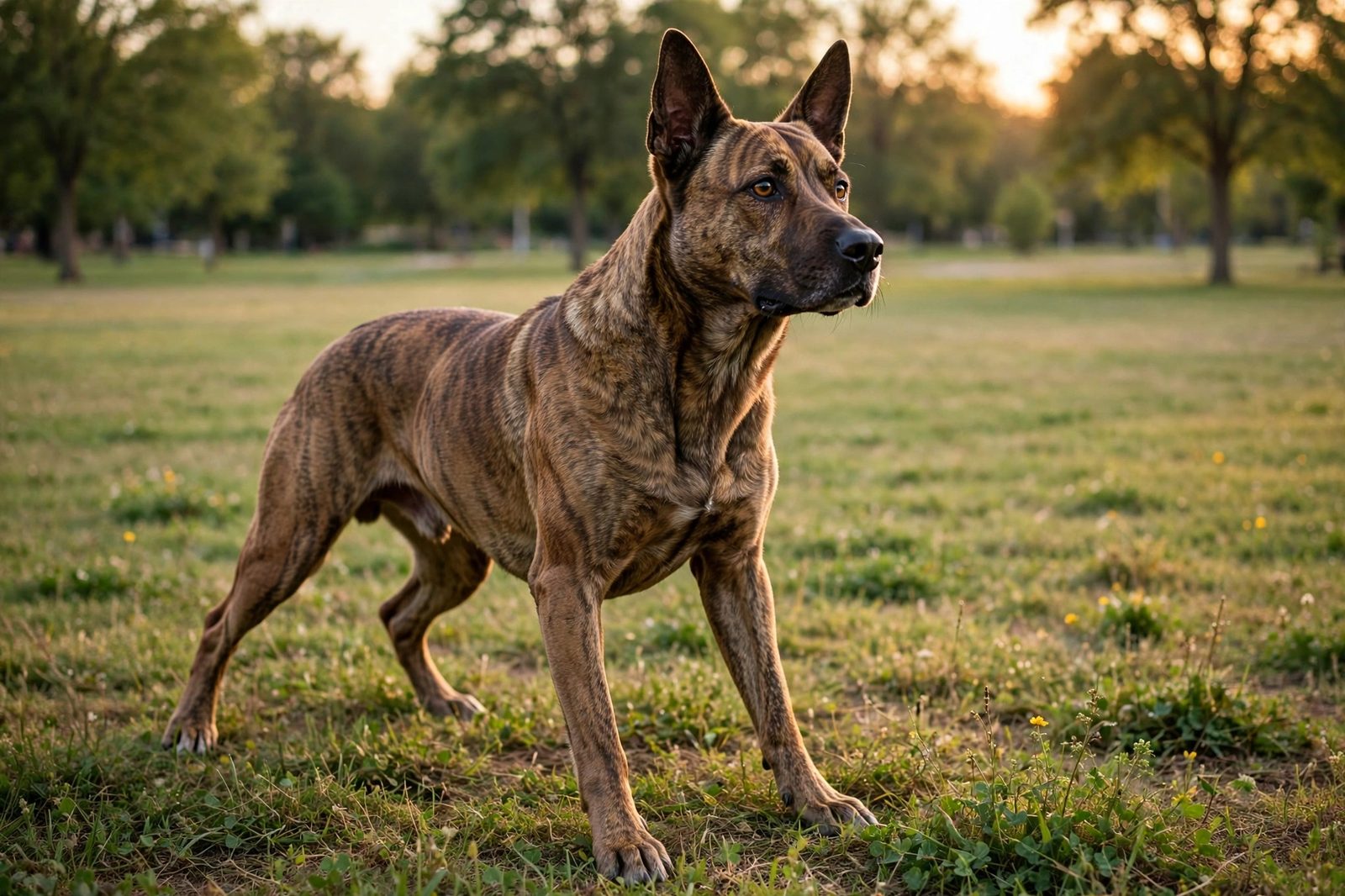
The Dutch Shepherd × American Staffordshire Terrier mix is not a mix for beginners — but for the right owner, it is a phenomenal dog. Expect a medium-to-large (45–65 lb), muscular, athletic dog with a short brindle or solid coat, combining the Dutch Shepherd’s working intelligence and drive with the AmStaff’s loyalty, courage, and people-loving nature. This guide covers everything: size, temperament, training, exercise, health, and whether this powerhouse mix fits your life.
The Parent Breeds at a Glance
- Dutch Shepherd: a brindle Dutch herding breed, 42–75 lbs, bred for farm work, police, and sport. Exceptionally intelligent, high-energy, and trainable — a serious working dog.
- American Staffordshire Terrier: a muscular American companion breed, 40–70 lbs, descended from bull-and-terrier stock. Loyal, courageous, affectionate with family, and famously good with children.
The mix blends working-dog intensity with family-dog devotion. If you like the sound of driven working mixes, also read our Belgian Malinois × German Shepherd mix guide — the Dutch Shepherd is that Malinois’s close cousin.
Size and Appearance
Most Dutch Shepherd–AmStaff mixes land at 45–65 pounds and 20–24 inches tall, solidly medium to medium-large. Expect:
- Build: muscular, athletic, deep-chested — this is a powerful-looking dog.
- Coat: short and dense; brindle is the most common pattern (a Dutch Shepherd signature), but black, black-and-white, gray, and tan occur.
- Head: broad with a strong jaw; ears often upright or semi-prick, eyes alert and intelligent.
- Tail: medium length, carried with energy.
As with any crossbreed, individuals vary — some lean lanky like the Shepherd parent, others go stocky like the AmStaff.
Temperament: What to Expect
This mix typically inherits the best of both parents — with a few challenges:
- Loyal and protective: deeply bonded to family; naturally watchful without being indiscriminately aggressive.
- Highly intelligent: learns commands fast — and learns bad habits just as fast without guidance.
- Energetic and driven: needs a job; boredom becomes destruction quickly.
- Affectionate: the AmStaff side brings a goofy, cuddly streak — many are total lap dogs despite their size.
- Strong-willed: can be stubborn and pushy with a soft or inconsistent owner.
- Dog selectivity: some individuals are wary of strange dogs; early, ongoing socialization is non-negotiable.
Training: Non-Negotiable and Rewarding
This is a trainer’s dream and a novice’s nightmare. Plan for:
- Start day one. Puppy classes, then basic obedience through at least the first year.
- Be consistent and confident. This mix respects calm, firm leadership — not harshness, which backfires badly with these breeds.
- Use the drive. Channel energy into obedience, agility, nose work, dock diving, or protection sports. A tired Dutch Shepherd mix is a good Dutch Shepherd mix.
- Socialize relentlessly. People, dogs, places, sounds — from 8 to 16 weeks and continuing through adolescence.
- Teach impulse control. “Place,” “leave it,” and polite leash manners prevent a strong 60-lb dog from becoming a liability.
Herding-breed crosses thrive on structured work — our Australian Shepherd × Border Collie mix guide covers similar training principles for another high-drive cross.
Exercise Needs: High
Expect to provide 1.5–2+ hours of activity daily: long walks or runs, fetch, flirt pole, plus 20–30 minutes of training or puzzle work for the brain. This mix does not do well as a yard-only dog — under-exercised individuals develop anxiety, reactivity, and destructive chewing. Apartment living is possible only for exceptionally committed owners; a house with a securely fenced yard is strongly preferred.
Grooming and Coat Care
Easy. The short coat needs weekly brushing (a rubber curry or bristle brush), shedding is moderate with heavier seasonal blows, and baths only when dirty. Check ears regularly — several rescue listings for this mix note ear infections — trim nails monthly, and brush teeth a few times a week.
Health and Lifespan
Generally a healthy crossbreed with a lifespan of 10–13 years. Watch for conditions common to the parent breeds:
- Hip and elbow dysplasia — screen breeding stock; keep the dog lean.
- Allergies and skin issues — AmStaffs are allergy-prone; watch for itchy skin and ears.
- Hypothyroidism — seen in both parent breeds.
- Eye conditions — including progressive retinal atrophy lines.
- Cruciate ligament injuries — athletic, heavy dogs are at risk; avoid repetitive hard jumping while young.
For the Dutch Shepherd parent’s official profile and health guidance, see the AKC’s Dutch Shepherd breed page.
Feeding
A high-quality, protein-rich diet suited to active medium-large dogs: roughly 2.5–3.5 cups daily split into two meals, adjusted for activity and body condition. Avoid free-feeding; this mix gains weight easily when under-exercised, and excess weight punishes the joints. Large-breed puppy food with controlled calcium is wise during growth to protect developing joints.
Cost of Ownership
Adoption fees for this mix typically run $150–$500 through rescues and shelters (where these mixes appear regularly). From a breeder — rare for this cross — expect $800–$1,500+. Annual costs: $1,200–$2,000 for food, vet care, insurance, and training. Budget extra for professional training in year one; it pays for itself with this mix.
Adoption Tips
This mix shows up in shelters often (many listed as “Dutch Shepherd mix” or “AmStaff mix”). When adopting:
- Meet the dog multiple times; assess energy level honestly against your lifestyle.
- Ask about dog sociability and cat testing — prey drive varies.
- Many rescues flag this mix as “needs experienced adopter” — take that seriously.
- Consider dogs 2+ years old: temperament is settled and you skip the land-shark puppy phase.
Is This Mix Right for You?
Yes, if: you are an experienced, active owner; you want a trainable sport or adventure partner; you can commit 2+ hours daily; you have secure space and no breed-restriction issues (check your lease, insurance, and local laws — AmStaff heritage triggers restrictions in some places). No, if: this is your first dog, you work long hours away from home, you want a low-energy companion, or you cannot commit to serious training.
Raising a Puppy of This Mix
Puppyhood with this cross is intense but incredibly rewarding if you invest early. Expect a confident, mouthy, high-energy pup that learns fast and tests boundaries just as fast. Crate training from day one gives the pup a safe den and protects your furniture during the chewing phase, which can be formidable given the jaw strength in these genes. Enroll in puppy kindergarten by 10–12 weeks and continue through at least two levels of obedience — this mix genuinely enjoys structured learning, and early training prevents the adolescent pushiness (jumping, leash-pulling, resource guarding) that lands untrained dogs of this type in shelters. Feed a large-breed puppy formula to control growth rate and protect joints, avoid forced running or repetitive jumping until growth plates close (around 12–18 months), and socialize deliberately: 100 positive exposures to people, dogs, and environments before four months old pays lifelong dividends. Set the rules on day one — couch privileges, greeting manners, alone-time tolerance — because a 60-pound adult will do whatever the 15-pound puppy was allowed to do.
Legal and Housing Considerations
Do not skip this section. Because of the American Staffordshire Terrier heritage, this mix can trigger breed-specific legislation and housing restrictions in some cities, counties, and countries, as well as landlord and homeowners-insurance exclusions. Before committing, verify your local ordinances, your lease or HOA rules, and your insurer’s restricted-breed list — a dog you cannot legally or practically keep is a tragedy for everyone, especially the dog. Where restrictions apply, some owners succeed with Canine Good Citizen certification, renter’s insurance riders, and documentation of training, but there are no guarantees. Responsible ownership starts before adoption: confirm the legal landscape first.
Frequently Asked Questions
How big does a Dutch Shepherd AmStaff mix get?
Typically 45–65 pounds and 20–24 inches tall — a medium to medium-large, muscular dog.
Are they good with kids?
Usually excellent — AmStaffs are famously fond of children, and the mix is typically affectionate and playful with family kids. Always supervise, as with any strong breed.
Are they good with other dogs?
It varies. Many are social; some are selective or reactive, especially same-sex. Early socialization and continued exposure matter enormously.
Do they shed a lot?
Moderately. The short coat sheds year-round with heavier seasonal blows — weekly brushing keeps it manageable.
Is this mix hard to train?
Not hard — demanding. They learn fast but need consistency, structure, and an owner who enjoys training. Novices often struggle; experienced handlers thrive.
Bottom line: the Dutch Shepherd × American Staffordshire Terrier mix is a brilliant, athletic, loyal powerhouse for an experienced, active owner — and far too much dog for a casual one. Know which you are before you commit.