
Dog Nose Warm and Dry? What It Really Means
The Quick Answer
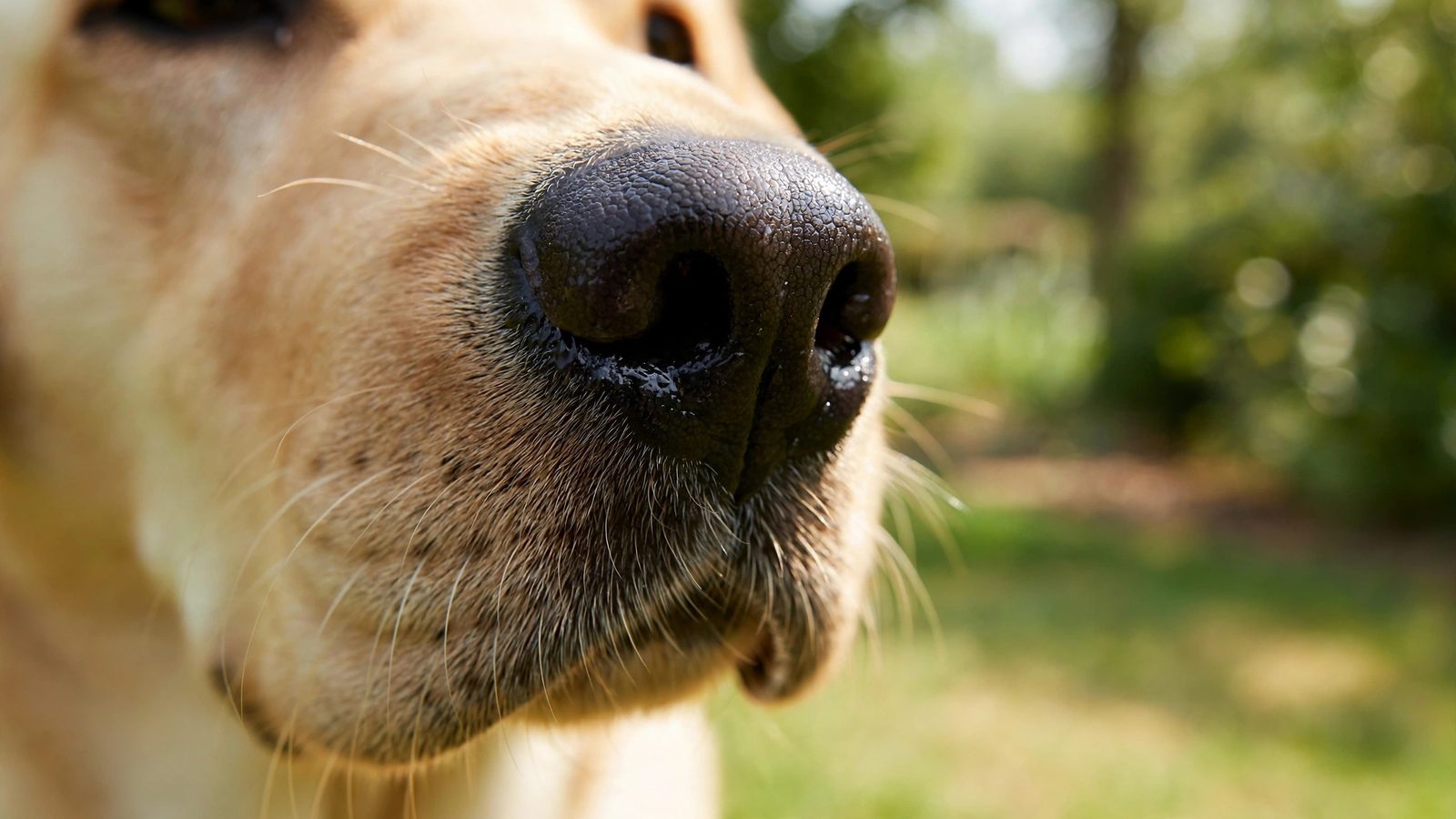
A dog nose that is warm and dry does not automatically mean your dog is sick. It’s one of the most persistent myths in dog ownership — but veterinary experts agree that nose temperature and moisture alone are unreliable health indicators. A healthy dog’s nose changes from cold and wet to warm and dry throughout the day for completely normal reasons. Judge your dog’s health by behavior, appetite, and energy — not by the nose.
Where Did This Myth Come From?
The “cold wet nose = healthy” belief likely dates back to the era before widespread vaccination, when canine distemper was common. One symptom of distemper is hyperkeratosis — a thickening and drying of the nose and paw pads. In a world where distemper killed many dogs, a dry nose was genuinely a bad omen.
Today, distemper is rare in vaccinated dogs, but the saying survived long after its original context vanished. The result: generations of owners pressing worried fingers to perfectly healthy noses.
Why Are Dog Noses Usually Wet and Cold?
Understanding the normal mechanism makes the myth easier to dismiss. A dog’s nose stays cool and damp thanks to three systems working together:
- Nasal glands inside the nose produce a thin watery secretion that moistens the nasal lining and outer nose. Scent molecules stick to this moisture, which is why a wet nose is actually a better smelling nose — dogs have around 100 million scent receptors to keep supplied.
- Tear drainage. Tears from the eyes drain through tiny openings at the inner eyelids, travel down the nasolacrimal ducts, and exit through the nostrils — adding moisture from above.
- Licking. Dogs lick their noses constantly, spreading saliva that then evaporates and cools the surface — the same physics as sweat cooling human skin.
When any of these three systems pauses, the nose dries out and warms up. And they pause for the most ordinary reasons.
Perfectly Normal Reasons for a Warm, Dry Nose
- Just woke up. The single most common cause. Dogs don’t lick their noses while sleeping, and tear and nasal-gland production slow down during rest. A dog that naps will almost always wake with a warm, dry nose that re-moistens within minutes of waking.
- Lying in the sun or near heat. Sunbathing, sprawling by a fireplace, or sleeping against a heating vent dries the nose the same way it dries human skin. Winter air has the same effect.
- After exercise. Hard play, especially in heat, causes mild dehydration and diverts moisture elsewhere. The nose dries temporarily.
- Hot or windy weather. Environmental drying, plain and simple.
- Age. Older dogs produce fewer nasal secretions and lick less often, so dry noses become more common with age.
- Breed shape. Short-snouted breeds like Pugs and Bulldogs physically struggle to reach their noses with their tongues, so their noses run drier as a baseline. Some individuals of any breed just lick less.
- Blocked tear ducts. Breeds like Cocker Spaniels and Lhasa Apsos are prone to blocked nasolacrimal ducts, reducing the tear contribution to nose moisture.
None of these indicate illness. If your dog is acting normally — eating, drinking, playing, bright-eyed — a warm dry nose is just a nose having an off hour.
When a Dry Nose Actually Deserves Attention
The myth is wrong, but it’s wrong in one direction only: a dry nose alone means nothing. A dry nose plus other symptoms is a different story. Call your vet if a warm, dry nose comes with:
- Lethargy or unusual lack of energy
- Loss of appetite or refusing water
- Vomiting or diarrhea
- Thick, yellow, or green nasal discharge (as opposed to a merely dry nose)
- A nose that is not just dry but cracked, crusty, or flaking persistently
- Coughing, sneezing fits, or labored breathing
Chronic dryness with crusting can occasionally signal allergies, autoimmune conditions (like discoid lupus), or severe dehydration — all of which need professional diagnosis, not home guessing.
Better Health Checks Than the Nose Test
If you’re worried about your dog, these tell you far more than nose temperature:
- Gums: They should be moist and pink (like human gums). Dry or tacky gums suggest dehydration; pale gums can indicate anemia; bright red or bluish gums need urgent vet attention.
- Temperature: A dog’s normal range is 99.5–102.5°F, measured with a pet rectal thermometer. This is the only reliable way to check for fever — the nose test is folklore by comparison.
- Behavior: Energy level, appetite, water intake, and stool quality are the real dashboard. A dog that’s eating, playing, and pooping normally is almost certainly fine, whatever its nose is doing.
- Skin elasticity: Gently pinch the skin between the shoulder blades; it should snap back immediately. Slow return suggests dehydration.
For a deeper look at dry-nose causes specifically, see why your dog’s nose might be dry and when to worry, and if your dog is showing cold-like symptoms alongside, read what to do when your dog has a cold. The AKC’s explainer on dry dog noses covers the same ground from a veterinary perspective.
What About a Nose That’s Always Dry?
There’s a difference between a nose that sometimes runs warm and dry and one that’s chronically dry. If your dog’s nose is dry most of the time but they’re otherwise healthy, consider these possibilities:
- Brachycephalic breeds (Pugs, Bulldogs, Shih Tzus) often have perpetually drier noses because of their facial structure — this is their normal.
- Senior dogs commonly develop drier noses as gland output declines with age.
- Low humidity environments — homes with forced-air heating in winter are notorious for drying out both human and canine skin.
- Allergies can cause chronic mild dryness, usually alongside itchy skin, watery eyes, or sneezing.
- Autoimmune conditions like discoid lupus cause dryness plus crusting, cracking, and pigment loss — but these come with visible nose damage, not just dryness.
For simple chronic dryness with no other symptoms, a dog-safe nose balm used regularly usually manages it fine. But “chronic” always deserves at least one vet conversation to rule out the medical causes — you want a diagnosis, not just a moisturizer.
Teaching Kids (and Worried Owners) the New Rule
The nose myth is so deeply embedded that it gets passed down like folklore — many owners learned it from parents who learned it from theirs. If you’re the one fielding worried questions from family members, here’s the one-line replacement to teach instead: “Watch the dog, not the nose.”
It’s memorable, it’s accurate, and it redirects attention to the signals that actually matter: Is the dog eating? Drinking? Playing? Pooping normally? Bright and responsive? Those four questions catch real illness days before nose-watching ever would. The old myth made owners anxious about nothing; the new rule makes them observant about everything.
Frequently Asked Questions
My dog’s nose is warm and dry but he’s acting fine. Should I worry?
No. If appetite, energy, and behavior are normal, a warm dry nose is almost certainly just sleep, sun, or a heating vent. It should re-moisten on its own within a short time.
Can a sick dog have a cold, wet nose?
Absolutely — and this is the part the myth gets dangerously backwards. Seriously ill dogs can have perfectly cold, wet noses. The nose tells you nothing either way, which is why behavior and real symptoms matter more.
How do I check my dog for fever at home?
With a digital rectal thermometer made for pets (keep it separate from human ones, and use a little petroleum jelly). Normal is 99.5–102.5°F. Anything above 103°F warrants a vet call; above 105°F is an emergency.
My senior dog’s nose is always dry now. Is that aging?
Very likely. Reduced gland secretion and less frequent licking are normal with age. As long as the nose isn’t cracked or crusty and your dog is otherwise well, it’s just one of those senior changes — like gray fur.
Should I put anything on my dog’s dry nose?
For mild, occasional dryness, usually nothing is needed. For chronic dryness, a thin layer of a dog-safe nose balm (or plain coconut oil in a pinch) can help — but anything you apply will be licked off, so it must be non-toxic. If dryness is persistent or worsening, see your vet first rather than treating the symptom.
The Bottom Line
The warm-dry-nose myth had its moment a century ago, when distemper made it meaningful. Today it’s just a story — a dog’s nose cycles between wet and dry all day long based on sleep, weather, and whim. Watch the dog, not the nose: appetite, energy, gums, and behavior will tell you the truth every time.