
My Dog Ate a Pork Bone: What to Do Right Now
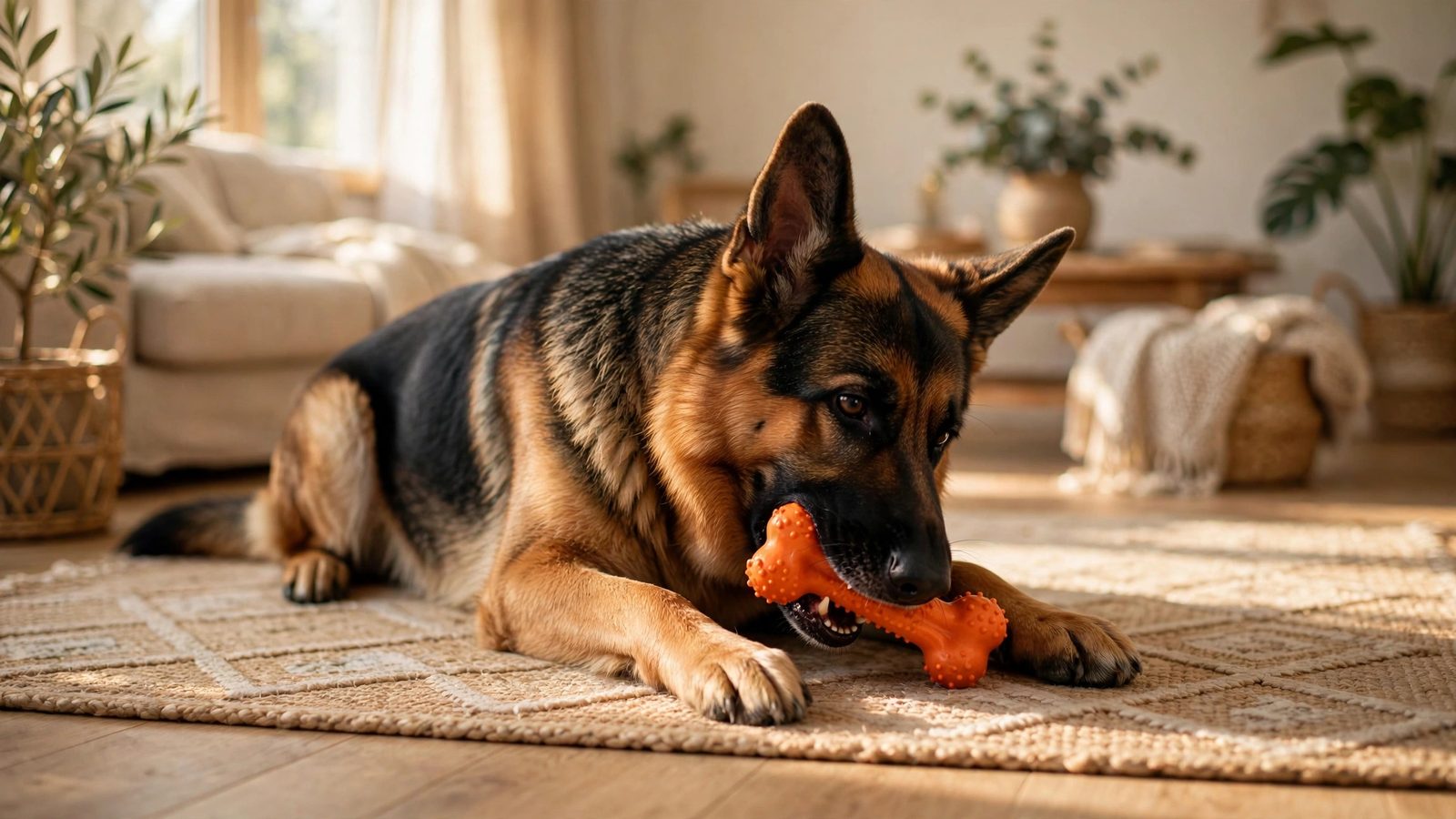
Short answer: Stay calm, don’t try to make your dog vomit, and monitor closely for 48–72 hours. Pork bones — especially cooked ones — can splinter into sharp fragments that injure the mouth, throat, stomach, or intestines. Many dogs pass small bone fragments without incident, but the risks (choking, obstruction, perforation) are real enough that you need to know exactly what to watch for and when to rush to the vet.
Why Pork Bones Are Dangerous for Dogs
Cooking changes bone structure: heat makes bones brittle and prone to splintering into sharp shards. Pork bones are worse than most because pork bones (especially ribs and chop bones) splinter readily even compared to other cooked bones. Those shards can:
- Cause choking if a large piece lodges in the throat — highest risk in small dogs and gulpers.
- Cut the mouth, tongue, or esophagus on the way down.
- Tear or perforate the stomach or intestines — the most dangerous outcome, potentially causing peritonitis (a life-threatening abdominal infection).
- Cause intestinal blockage, where fragments clump and obstruct the digestive tract, sometimes requiring emergency surgery.
- Break teeth — slab fractures of the big chewing molars are a classic bone-chewing injury.
Raw pork bones are somewhat less likely to splinter, but they’re not safe either: they can still break teeth, cause blockages, and carry bacteria like Salmonella. The veterinary consensus, echoed in the AKC’s warning on cooked bones, is straightforward: don’t feed dogs cooked bones of any kind, pork included.
There’s also the fat factor: pork bones often carry rich, fatty meat and seasoning. A sudden load of fat can trigger vomiting, diarrhea, or even pancreatitis — a painful, sometimes serious inflammation of the pancreas.
What to Do Right Now: Step by Step
- Stay calm and secure the scene. Pick up any remaining bones and bone scraps so your dog can’t eat more. Check the trash — that’s where most pork-bone incidents start.
- Check for choking. If your dog is gagging, pawing at the mouth, drooling heavily, or struggling to breathe, that’s an emergency — perform the canine Heimlich (quick upward thrusts behind the ribcage) if trained, and get to a vet immediately.
- Do NOT induce vomiting. This is critical: vomiting sharp bone fragments back up can cause the very throat and esophagus injuries you’re trying to avoid. Never give hydrogen peroxide or anything else to induce vomiting unless a veterinarian specifically instructs you to.
- Note the details. What kind of bone (rib, chop, cooked, raw)? How much? When? How big is your dog? Your vet will ask all of this.
- Call your vet for advice. Even if your dog seems fine, a quick call is smart. Describe the situation and ask whether they want to see your dog now or have you monitor at home. If it’s after hours, know your nearest emergency clinic’s number in advance.
- Feed normally (unless told otherwise). Some vets suggest feeding a normal meal or a little plain bread/rice to cushion fragments — follow your vet’s specific advice, not internet folklore.
Cooked vs. Raw Pork Bones: Is Either One Safe?
You’ll find heated debates about this online, so here’s the straight version:
- Cooked pork bones: never. Heat makes them brittle and splinter-prone. This includes bones from barbecued ribs, pork chops, roasts, and smoked “dog bone” products from pet stores (smoking counts as cooking — those products have caused real injuries).
- Raw pork bones: still not recommended. They’re less likely to splinter, but they can still crack teeth, cause obstructions, and carry bacteria like Salmonella or parasites. Some raw-feeding advocates use them under strict supervision, but mainstream veterinary guidance says the risks outweigh the benefits.
- “But my dog ate one and was fine!” Survivorship bias. Plenty of dogs pass bone fragments uneventfully — until one doesn’t. Emergency vets remove bone-related obstructions and perforations regularly. “Usually fine” is not the same as “safe.”
If your dog loves chewing bones, the craving is legitimate — chewing cleans teeth, relieves boredom, and satisfies instinct. Just redirect it: large raw beef marrow bones too big to swallow (given under supervision, per some veterinary sources), or better yet, dental chews made for dogs and durable rubber toys that can’t splinter at all.
What to Watch For Over the Next 72 Hours
Complications can appear hours or even a couple of days later, so don’t relax after an uneventful first evening. Watch for:
- Repeated vomiting or retching, especially with no food coming up
- Loss of appetite or refusal to drink
- Lethargy, restlessness, or whining (signs of abdominal pain)
- A hard, bloated, or tender belly
- Straining to poop, constipation, or diarrhea
- Blood in vomit or stool, or black/tarry stool
- Excessive drooling or difficulty swallowing
- Pale gums, weakness, or collapse
Any of these means call the vet right away — don’t wait to see if it passes. Intestinal perforation and obstruction are time-critical emergencies.
If 72 hours pass with normal eating, drinking, energy, and stool, your dog almost certainly handled it. Keep an eye on stools for a few days — you may see small bone fragments pass, which is actually a good sign.
What the Vet May Do
If you do end up at the clinic, here’s what to expect. The vet will start with a physical exam — feeling the abdomen for pain, checking the mouth and throat, and assessing hydration and gum color. Depending on findings, they may take X-rays to locate bone fragments and check for obstruction or free air in the abdomen (a sign of perforation). In some cases, an endoscope can retrieve fragments from the esophagus or stomach without surgery. Full intestinal blockages or perforations require emergency surgery — another reason early evaluation beats “wait and see” when symptoms appear. Most uncomplicated cases, though, end with the vet saying exactly what you hoped: monitor at home and come back if anything changes.
How to Prevent It Happening Again
- Trash discipline. Pork bones go straight into a secured, dog-proof bin — not a low kitchen trash can. After barbecues and dinner parties, do a yard and floor sweep before the dog gets access.
- No table scraps with bones, ever. Make the rule household-wide, including guests and kids. A surprising number of bone incidents start with a well-meaning visitor.
- Teach “leave it” and “drop it.” A reliable drop-it can save you when your dog beats you to a fallen rib bone on a walk.
- Walk with control. In neighborhoods on trash day, a properly fitted harness gives you the leverage to steer your dog away from scavenging before it starts.
- Offer safe chews instead. Dogs need to chew — redirect the urge to dental chews made for dogs, appropriately sized rubber toys, or other safe alternatives, always under supervision.
Frequently Asked Questions
Will my dog’s stomach acid dissolve the pork bone?
Stomach acid does break down bone over time, and small fragments often pass without trouble — which is why many incidents end fine. But acid can’t be counted on to neutralize sharp shards before they injure the throat, stomach lining, or intestines on the way through. That’s why monitoring matters.
My dog ate a pork bone yesterday and seems fine. Are we in the clear?
Mostly, but stay observant for a full 72 hours. Obstructions and irritation can declare themselves a day or two later. Normal appetite, energy, and stools through day three is a very good sign.
Are raw pork bones safe since they don’t splinter as easily?
Safer than cooked, but not safe. Raw pork bones can still fracture teeth, cause blockages, and carry harmful bacteria. Vets generally advise against pork bones raw or cooked.
Can I give my dog pork bone broth instead?
Yes — that’s the safe way to get “bone” benefits. Simmer pork (or beef) bones to make broth, then strain out and discard every single bone fragment before serving. The broth adds flavor and moisture to food without any splinter risk. Just keep it plain: no onion, garlic, or heavy salt, all of which are problematic for dogs.
What about pork rib bones specifically?
Pork rib bones are among the worst: they’re the right size to be swallowed by medium and large dogs, splinter easily when cooked, and the fatty meat clinging to them adds pancreatitis risk. Treat them as strictly off-limits.
The Bottom Line
A stolen pork bone is scary but often survivable: don’t induce vomiting, watch like a hawk for 72 hours, and get veterinary help at the first sign of trouble. Then fix the real problem — access — with secured trash, a household no-bones rule, and safe chews that satisfy the urge without the risk.


5 Comments