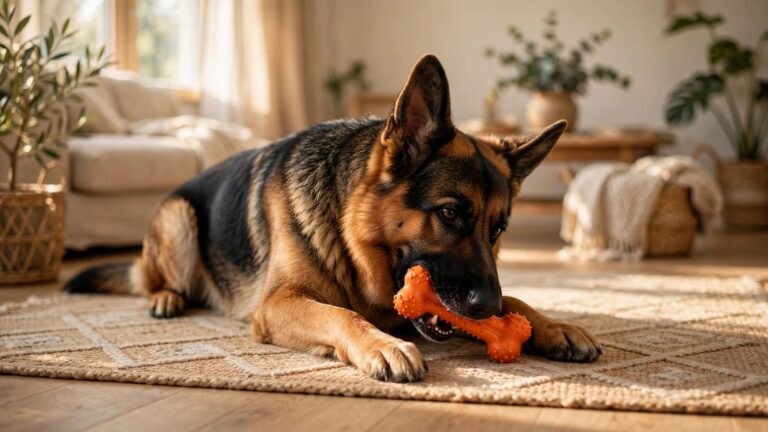
How Long Is a Dog Hour? What Your Dog Actually Feels
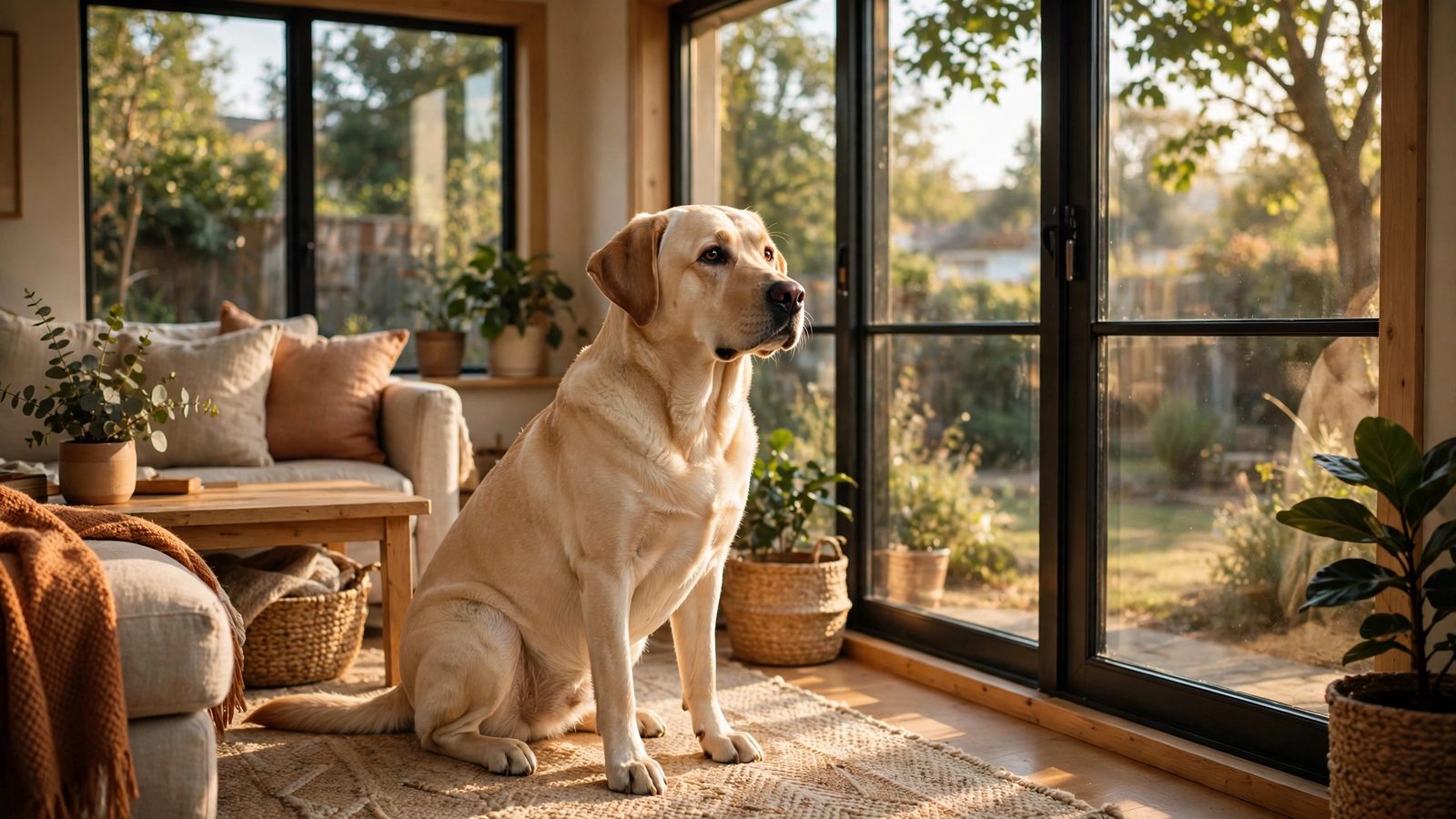
Quick answer: How long is a dog hour? Exactly one hour. The popular idea that one human hour equals seven “dog hours” is a myth — it comes from misapplying the old “one human year equals seven dog years” rule to clock time. Dogs do experience time differently than we do, but not by a factor of seven. What actually matters to your dog is routine, rhythm, and how long you are gone, not a multiplied hour.
Where the “Seven Hours” Myth Came From
The myth has a simple, almost elegant origin — and that is why it spread. For decades, the rule of thumb was that one human year equals seven dog years (based loosely on average human and dog lifespans). Someone, somewhere, took that 7:1 ratio and applied it to smaller units: if a year becomes seven years, then an hour must become seven hours, and a day must become seven days.
It sounds logical until you examine it. The 7:1 year ratio was never precise — it was a rough lifespan comparison, and modern veterinary science has replaced it with better models. The American Veterinary Medical Association’s guideline (15 human years for a dog’s first year, about 9 for the second, then roughly 5 per year after) shows aging is not linear at all. And even if the year ratio were perfect, there is no biological reason it would scale down to hours and minutes. Aging rate and time perception are completely different things. For the real story on canine aging math, see AKC’s guide to calculating dog years to human years.
The “25% Faster” Claim: What Science Actually Says
A second popular claim says one human hour feels like about 1 hour and 15 minutes to a dog, because dogs process visual information roughly 25% faster than humans. This one at least has a scientific root: researchers measure something called critical flicker fusion frequency — essentially how fast a flickering light must flash before it looks steady. Dogs have a higher flicker-fusion threshold than humans, meaning their visual systems sample the world at a faster rate.
But here is the leap the claim makes: faster visual processing does not automatically mean slower time perception. It is an intriguing hypothesis, not an established fact. No study has put dogs through the kind of time-perception experiments that would confirm “your hour feels like 75 minutes to your dog.” Treat it as interesting speculation, not settled science — much like the old myth about warm, dry noses meaning a sick dog, it is a catchy idea that outran the evidence.
How Dogs Really Track Time
What research does show is that dogs are excellent at tracking time in their own way — through rhythm, association, and senses rather than clocks:
- Circadian rhythms. Like us, dogs have internal body clocks synced to light and dark. Hormones like cortisol and melatonin rise and fall on daily cycles, which is why your dog gets sleepy and hungry at consistent times.
- Routine and sequence. Dogs learn chains of events: shoes going on means a walk is coming; the food bag rustling means dinner. They anticipate what comes next with remarkable precision.
- Scent decay. One fascinating study suggested dogs may judge how long you have been gone partly by how your scent fades in the house — a stronger scent means you left recently. It is unproven, but it fits what we know about how scent-driven dogs are.
- Interval sensitivity. Experiments show dogs can distinguish between different waiting durations and adjust their behavior — they greet owners more intensely after two hours apart than after thirty minutes, suggesting they register the difference in absence length.
In short, dogs do not count minutes, but they absolutely feel the difference between a short absence and a long one. They live in a world of “just happened,” “a while ago,” and “ages ago” — fuzzy, but real.
What a “Dog Day” Actually Feels Like
If we set the myths aside, what does a day feel like from the dog’s end of the leash? Probably something like this: long stretches of rest punctuated by high-intensity events. Dogs sleep 12 to 14 hours a day (puppies and seniors even more), so much of their “day” passes in naps between the moments that matter — your return, meals, walks, play.
This is why routine weighs more than duration. A dog that knows the walk always comes after breakfast experiences the morning as a countdown to something good, not as empty hours. Conversely, an unpredictable schedule — sometimes you return at noon, sometimes at midnight — keeps the dog in a state of low-grade anticipation that is genuinely tiring. The kindest thing you can give your dog is not more hours but more rhythm: the same walk, the same feeding times, the same calm departure cue, day after day. When the pattern holds, your dog can truly relax between the good parts.
Why It Matters: Leaving Your Dog Alone
Forget multiplying hours by seven. What matters practically is this: dogs are social animals that experience your absence, and longer absences are harder on them. The widely used guideline is to leave healthy adult dogs alone for no more than 4 to 6 consecutive hours; puppies need far shorter stretches (roughly one hour per month of age).
More important than the exact number is the pattern. A dog left alone for four hours every day on a predictable schedule copes better than a dog left for unpredictable stretches, because routine lets their internal clock settle. Before longer absences, a good walk or play session — with getting the fit right on your dog’s harness first — takes the edge off restlessness and sets them up to nap rather than stress.
Making Time Apart Easier on Your Dog
- Keep departures and arrivals boring. Dramatic goodbyes teach your dog that your leaving is a big event. A calm “be right back” and a calm return keep anxiety low.
- Build the routine. Same walk, same feeding, same departure cues each day. Predictability is a comfort to dogs.
- Leave enrichment, not just toys. A frozen stuffed Kong, a snuffle mat, or a puzzle feeder gives the first hour of alone time a job to do. Rotate them so they stay novel.
- Consider a midday break. For absences over 4 to 5 hours, a dog walker, neighbor, or daycare day breaks up the stretch and covers the potty need.
- Watch for separation distress. Destructiveness, howling, house-soiling, or escape attempts signal genuine distress, not disobedience — talk to your vet or a certified behaviorist rather than punishing it.
Frequently Asked Questions
Do dogs know how long you’ve been gone?
Not in hours and minutes, but research shows they react differently to short versus long absences — greeting more intensely after longer separations. They register the difference even without a clock.
Is one human hour really seven dog hours?
No. That idea misapplies the old “seven dog years” rule to clock time. An hour is an hour for your dog too — though the hour may feel longer to them when they are bored or anxious, just as it does for you.
Do dogs get bored when left alone?
Yes, especially intelligent, high-energy breeds. Boredom plus alone time is the classic recipe for chewed furniture. Enrichment and adequate exercise before you leave make the biggest difference.
Can dogs tell time for meals and walks?
They cannot read a clock, but their circadian rhythms plus learned routines make them strikingly punctual. If dinner is at 6 p.m. daily, expect a furry reminder at 5:55.
Does time feel slower for dogs because they process vision faster?
It is a popular theory based on dogs’ higher flicker-fusion rates, but it has not been proven as a measure of subjective time experience. The honest answer: we do not know exactly how an hour “feels” to a dog.
Conclusion
How long is a dog hour? One hour — the “seven dog hours” idea is a myth borrowed from outdated age math. Dogs do perceive time in their own way, through body rhythms, routine, and senses rather than clocks, and they genuinely feel the difference between short and long absences. So skip the multiplication and focus on what helps: predictable routines, reasonable alone-time limits, good exercise, and calm departures. Your dog cannot tell you what time it is — but they can absolutely tell you how your schedule feels.