
How Long After a Puppy Drinks Water Do They Pee? A Potty Timing Guide
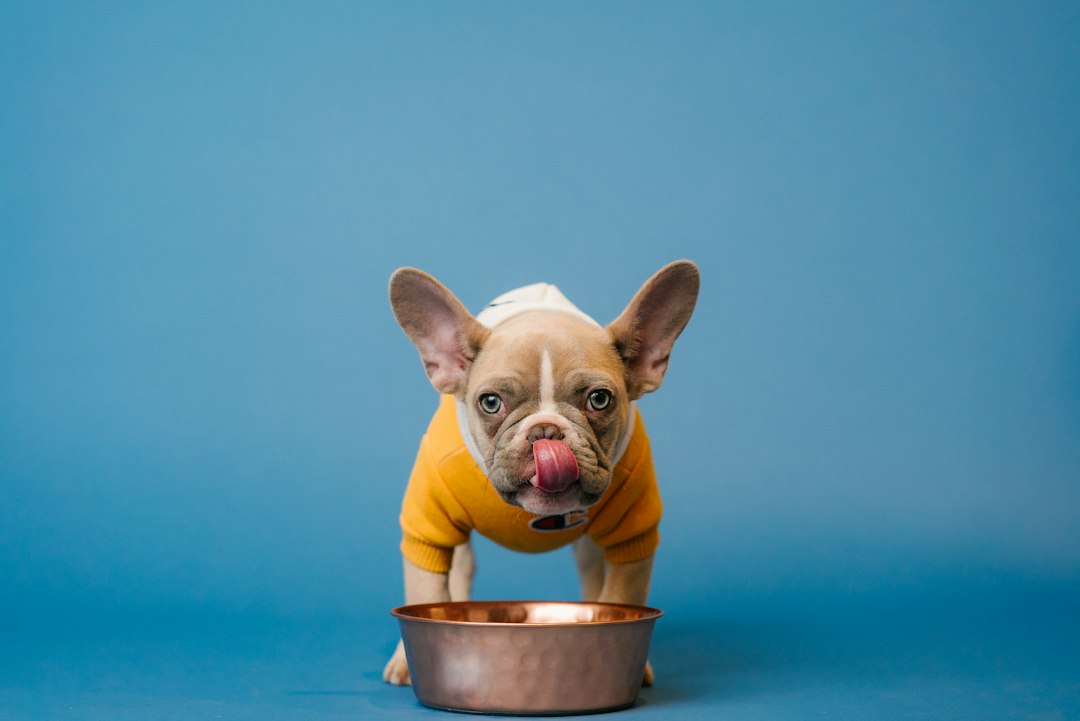
If you are house training a puppy, you quickly learn that what goes in must come out, and fast. One of the most useful things you can know is how long after a puppy drinks water they need to pee, because getting them outside at the right moment prevents most accidents.
Quick answer: most puppies need to pee within about 10 to 30 minutes after drinking. Very young puppies often need to go even sooner, while older puppies may stretch toward the 30 minute mark or a little beyond. The reliable approach is to take your puppy out 10 to 15 minutes after a drink, and keep doing it until the habit sticks. Never withhold water to avoid accidents.
Why Puppies Pee So Soon After Drinking
Puppies have small bladders and are still developing the muscles and nerve control to hold urine. Drinking water fills the bladder quickly, and a young puppy cannot hold on for long. Add excitement, play and a busy new world, and you get a puppy that needs frequent bathroom trips. The good news is that control improves steadily every month.
How Long Can Puppies Hold It by Age?
A common guideline is that a puppy can hold urine for about one hour for each month of age, plus one, up to a limit of around 8 hours for adult-sized dogs. It is a rough rule, and individual puppies vary.
| Puppy age | Typical time to pee after drinking | Max time between potty breaks (daytime) |
|---|---|---|
| 8 to 10 weeks | 5 to 20 minutes | About 1 to 2 hours |
| 3 months | 10 to 30 minutes | About 3 hours |
| 4 months | 10 to 30 minutes | About 4 hours |
| 5 to 6 months | 15 to 30 minutes | About 5 to 6 hours |
| 6 months and up | 15 to 45 minutes | About 6 to 8 hours |
These are guidelines, not promises. Small breeds often have smaller bladders and need more frequent breaks than large breeds of the same age.
When Your Puppy Needs to Go Out
Beyond drinking, take your puppy to their potty spot at these times:
- As soon as they wake up, from naps and in the morning
- 10 to 15 minutes after drinking
- 15 to 30 minutes after eating
- After a play session or a burst of excitement
- Before bedtime and before being crated
- Any time they sniff, circle, whine or head for a door
A Simple Potty Routine That Works
- Go out on a schedule. Use a timer on your phone so you do not rely on memory.
- Go to the same spot every time. The scent signals the puppy to go.
- Use a cue word. Say a phrase such as “go potty” as they start to go.
- Stay calm and wait. Give them a few minutes; avoid play until they finish.
- Reward right away. Praise and offer a treat as soon as they finish, while still outside.
- Supervise indoors. Keep your puppy within sight, or use a crate or play pen when you cannot watch.
If you are weighing indoor options during training, our post on whether you can use dog diapers to potty train explains what helps and what slows learning.
How Much Water Should a Puppy Drink?
A commonly cited guide is about 1 ounce of water per pound of body weight a day, though puppies, activity levels and food type all change that. Wet food and fresh treats count toward fluids too. The most important rule is to keep fresh water available during the day.
Should you restrict water to prevent accidents?
No. Puppies can become dehydrated quickly, and restricting water often leads to gulping and bigger problems. Instead, control timing: pick up the water bowl about one to two hours before bedtime if your vet agrees, and take your puppy out before they sleep.
What about water at night?
Young puppies usually cannot make it through the night without a break. Plan a nighttime potty trip, perhaps 4 to 5 hours after bedtime for a young puppy, and keep it quiet and boring: out, pee, back to bed. Most puppies can sleep through the night as they reach four to six months, but it varies.
Sample Daily Potty Schedule for a 10-Week-Old Puppy
| Time | Activity |
|---|---|
| 7:00 | Wake up, potty, breakfast |
| 7:20 | Potty after eating |
| 8:00 | Play, drink, then potty 10 to 15 minutes later |
| 9:00 to 12:00 | Nap, potty after waking, short play, potty every 1 to 2 hours |
| 12:00 | Lunch, then potty |
| Afternoon | Repeat: wake, play, drink, potty |
| 6:00 PM | Dinner, then potty |
| Evening | Last drink, last potty before bed |
| Midnight to 2:00 AM | Quiet potty break |
Why Accidents Happen Even With a Schedule
- Too much freedom too soon. Keep the puppy supervised or confined.
- Missed signals. Sniffing, circling and sudden wandering mean “go now.”
- Waiting too long. Shorten the time between breaks.
- Punishing accidents. This teaches fear, not where to pee. Clean up with an enzyme cleaner and move on.
- Excitement or submissive peeing. Many puppies leak when greeting people and grow out of it. Keep greetings calm.
When to Call the Vet
- Your puppy drinks and pees much more than normal
- Frequent small amounts of urine, straining or crying while peeing
- Blood in the urine or a strong smell
- Accidents that suddenly increase after your puppy was doing well
- Lethargy, vomiting or poor appetite along with urinary changes
These can point to a urinary tract infection or other health issue that needs treatment. For general house training timing advice, see this Kinship guide on how long puppies can hold their pee.
Frequently Asked Questions
How long after a puppy eats do they poop?
Usually within about 5 to 30 minutes after a meal, with younger puppies going sooner. Take them out after every meal.
Does a puppy need to pee right after drinking?
Not always immediately, but soon. Take them out within 10 to 15 minutes for the best results.
Why does my puppy pee right after peeing outside?
Puppies often do not empty their bladder completely. Wait a few extra minutes outside, and expect a second trip.
Is it normal for a puppy to drink a lot of water?
Puppies drink a lot, especially after play or in warm weather. If thirst seems extreme or has suddenly increased, check with your vet.
The Bottom Line
For most puppies, the magic window is 10 to 30 minutes after a drink. Take your puppy out about 10 to 15 minutes after drinking, keep a consistent routine, never limit water to hurry training, and talk to your vet if anything seems off. Patience pays off: accidents become rare as bladder control grows.
This article is general information and not a substitute for veterinary advice.




4 Comments