How Much Exercise Does a Cocker Spaniel Need? Daily Guide by Age
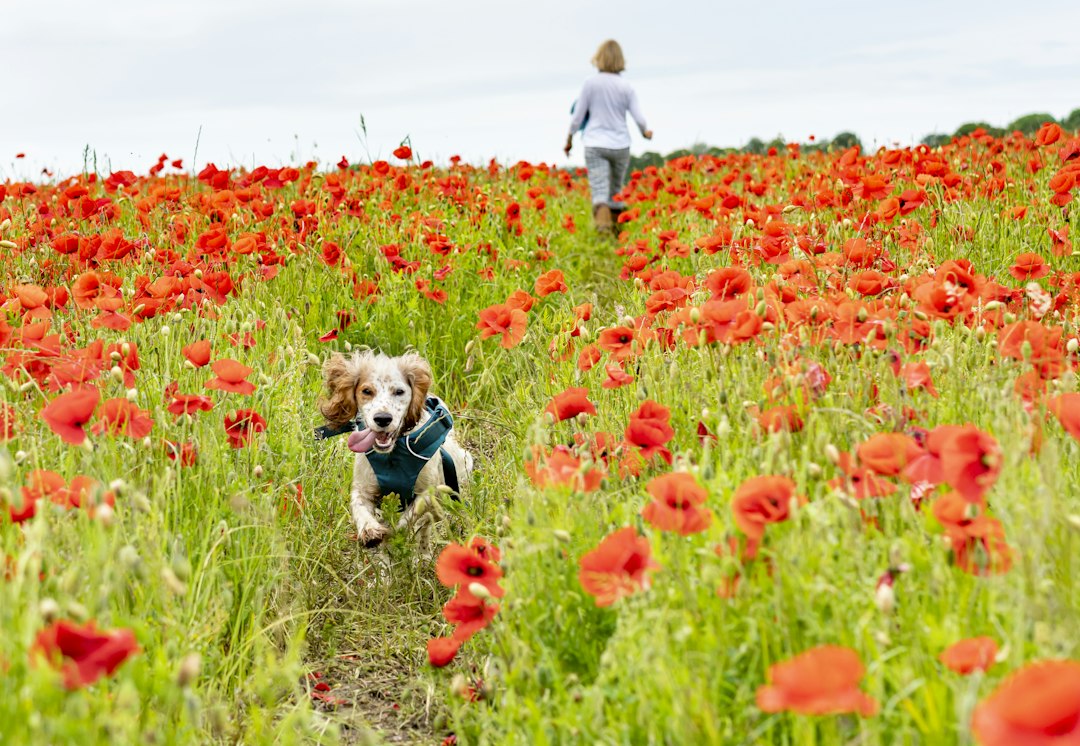
Cocker Spaniels have soft eyes, silky ears and a famously wagging tail, but they were bred as hunting dogs. That means a Cocker is more athletic and energetic than the lap-dog look suggests. Without enough exercise, a Cocker can get bored, noisy, destructive or overweight.
Quick answer: most healthy adult Cocker Spaniels need about 60 minutes of exercise a day, split into two or three sessions. English Cocker Spaniels are usually more energetic and may need 60 to 90 minutes or more, while American Cockers are often fine toward the lower end. Puppies and seniors need shorter, gentler sessions.
Why Cocker Spaniels Need Daily Exercise
Cockers were developed to flush and retrieve birds. They have stamina, a strong nose and a love of working with people. A walk around the block rarely satisfies that. Regular activity helps with:
- Weight control: Cockers love food and gain weight easily, which strains their joints and back.
- Behavior: A tired dog is less likely to bark, chew or dig out of boredom.
- Mental health: Sniffing, searching and training games keep a smart breed content.
- Heart and joint health: Steady movement keeps muscles strong and joints supple.
Cocker Spaniel Exercise Needs by Age
| Age | How much | What works best |
|---|---|---|
| Puppy (8 weeks to 6 months) | Several short sessions of 5 to 15 minutes | Gentle play, short walks on soft ground, socialization, training games |
| Adolescent (6 to 18 months) | 30 to 60 minutes, building up slowly | Walks, fetch, recall practice, new places; avoid hard repetitive impact |
| Adult (1.5 to 7 years) | About 60 minutes, sometimes more for English Cockers | Brisk walks, off-leash play in safe areas, swimming, scent games |
| Senior (8 years and up) | 30 to 45 minutes, shorter and gentler | Slow walks, sniffing, light play; watch for stiffness |
Puppies’ growing joints are delicate. Avoid long runs, repeated jumping and forced exercise on hard surfaces until your vet confirms your dog’s growth plates have closed. These figures are general guidance; your vet can tailor them to your dog.
Best Exercises for a Cocker Spaniel
Walks with plenty of sniffing
Walk at a steady pace, but also let your dog stop and sniff. For a scent-driven breed, sniffing is tiring in a good way.
Fetch and retrieving games
Retrieving is in their blood. Use a ball or soft dummy and practice “bring it back” to build good recall. Skip sticks; they can splinter and injure the mouth or throat, and we explain why in our post on whether to let a puppy chew sticks.
Swimming
Many Cockers enjoy water and swimming is gentle on joints. Rinse and dry the ears afterward, as their long, heavy ears are prone to infections.
Scent and search games
Hide treats around the house or yard, or scatter food in grass. Even ten minutes of nose work can tire a Cocker as much as a longer walk.
Training sessions and tricks
Short sessions of obedience, recall or tricks give the brain a workout. Cockers are eager to please and tend to love it.
Dog sports
If you want a challenge, try agility, rally, tracking or hunt-style retrieving. These are a good fit for the breed.
A Sample Daily Routine for an Adult Cocker
- Morning: 20 to 30 minute brisk walk with sniff breaks
- Midday: 10 minutes of fetch, a puzzle feeder or a training session
- Evening: 20 to 30 minute walk or play in a fenced area
Rainy Day and Hot Weather Ideas
- Hide-and-seek with treats or toys indoors
- Practicing tricks like “spin” or “find it”
- A snuffle mat or food puzzle
- Stair-free tug games on a non-slip floor
In hot weather, walk early or late, bring water, and avoid hot pavement. Cockers have thick coats and can overheat.
Signs Your Cocker Isn’t Getting Enough Exercise
- Barking, whining or pacing at home
- Chewing or digging
- Weight gain
- Hyperactivity or “zoomies” indoors
- Pulling hard on the leash
Signs of Too Much Exercise
- Limping or stiffness the next day
- Heavy panting that does not settle
- Refusing to walk or lagging behind
- Sore paws or tired, flat behavior
If your dog shows any of these, reduce intensity and talk to your vet.
American vs English Cocker Spaniel
English Cocker Spaniels are typically leaner, longer-legged and more driven, and often need more activity. American Cockers are a bit smaller and heavier-coated, with somewhat lower exercise needs. Individual dogs vary more than breeds do, so go by your own dog’s behavior, health and age.
Health Notes That Affect Exercise
- Ear infections: Dry ears after water play.
- Hip dysplasia and joint problems: Choose low-impact activities and keep weight healthy.
- Heart and eye conditions: If your dog tires quickly or coughs during exercise, see your vet.
Frequently Asked Questions
Can a Cocker Spaniel live in an apartment?
Yes, if you reliably provide daily walks, play and mental work. A Cocker who is exercised well is usually calm indoors.
Is a yard enough exercise?
Usually not. A yard is helpful, but most dogs will not exercise on their own. You still need to play and walk with your dog.
Do Cocker Spaniels need to be off leash?
Not necessarily, but they enjoy it in safe, fenced areas. Build solid recall first, because their noses can lead them astray.
How much exercise does a Cocker puppy need?
Keep it short and frequent. Several 5 to 15 minute sessions of play and gentle walking are plenty.
The Bottom Line
A happy Cocker Spaniel gets about an hour of daily activity that combines walking, play and brain work. Adjust for age, weather and health, and pay attention to your dog’s signals. For breed details, see the American Kennel Club’s Cocker Spaniel breed page.
This article is general information and not a substitute for veterinary advice. Ask your vet what is right for your dog.