
Why Does My Dog Eat Leaves and Then Throw Up
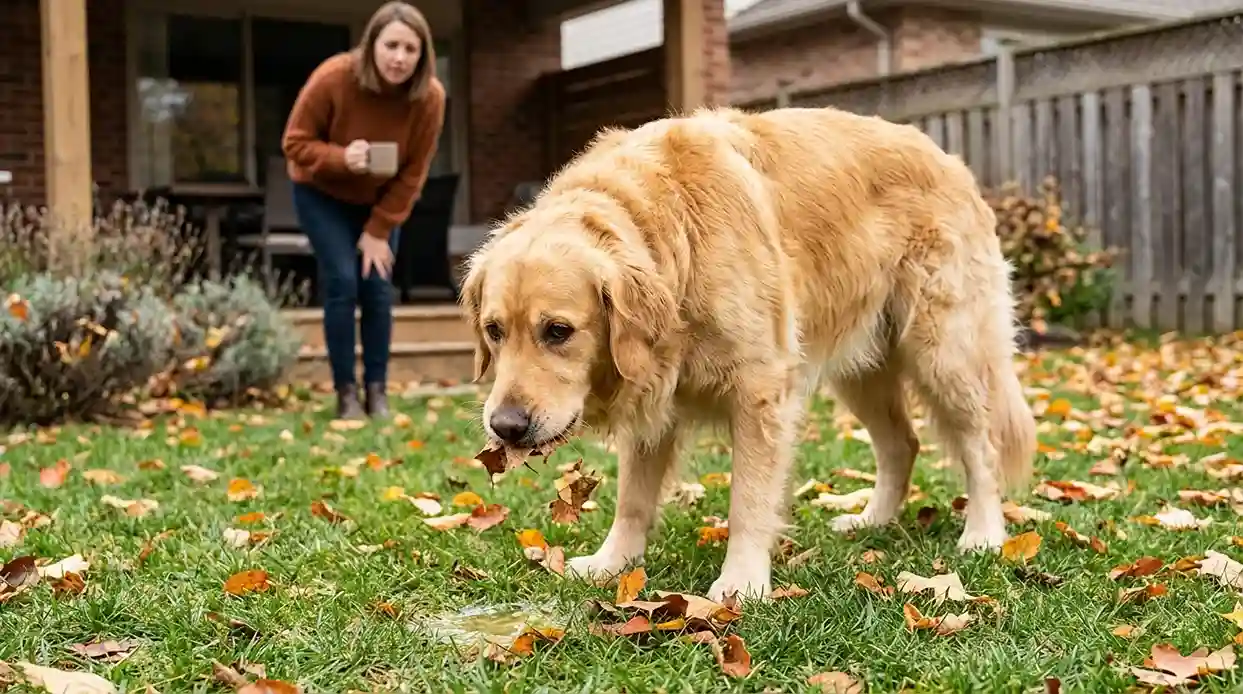
Many dogs eat leaves and grass from time to time. Some dogs do this because of boredom, anxiety, or instincts. Others may do it because of stomach problems, nausea, or poor nutrition.
Dogs may also throw up after eating leaves or grass. In some cases, this is harmless. In other cases, it may point to an underlying health issue.
Reasons Behind This Behavior
Natural Behavior and Instincts
I once saw my own dog start eating leaves in the garden after long walks. At first, I thought it was a normal behavior. Many canine companions do this because of:
- boredom
- nervousness
- anxiety
- instinctual and inherited behavior from wolves, wild canids, and other omnivores
Some dogs enjoy the:
- taste
- texture
- flavor
- consistency of grass and leaves
Stomach Problems and Digestive Issues
Some dogs may have:
- gastrointestinal issue
- stomachache
- upset stomach
- digestive upset
- tummy pain
- gas
- flatulence
- bloating
- gassy feelings
- uncomfortable sensations inside the gastric apparatus, intestinal tract, intestines, or intestine
A dog may start:
- munching
- chomping
- grazing
- trying to chew a leafy substance
This may help them:
- alleviate nausea
- induce vomiting
- cause expulsion of stomach acid
Some dogs even get:
- green vomit
- vomit
- throwing up after the ingestion of grass in small quantities
Poor Diet and Nutritional Deficiencies
This behavior may happen because of:
- nutritional deficiency
- nutritional deficiencies
- low fiber
- missing vitamins
- poor nutrients
- weak feeding
- too many human snacks and treats
- low-quality commercial dog foods
- fillers with little nutritional value
Dogs need:
- proper diet
- equilibrated diet
- complete and balanced dog food
- high-quality ingredients
- minimal fillers
- the right nutritional needs for their breed and lifestyle
This is especially important for a higher-energy breed.
Lack of Mental and Physical Activity
Some dogs are understimulated and need:
- exercise
- physical stimulation
- mental stimulation
- playing
- fetch
- training
- agility
- flyable
- interactive toys
- puzzle toys
- puzzle games
- quality toys
- Challenge brain activities
- sniffing time
- training classes
- dog walker
- dog daycare
- canine activities
- more owner attention
These activities help dogs stay:
- active
- healthy
- mentally stimulated
- full of happiness
Some dogs that eat leaves may also chew sticks, grass, or other unsafe objects out of boredom or curiosity. If your puppy does this often, read Should I Let My Puppy Chew on Sticks? to learn about the risks and safer alternatives.
When You Should Worry
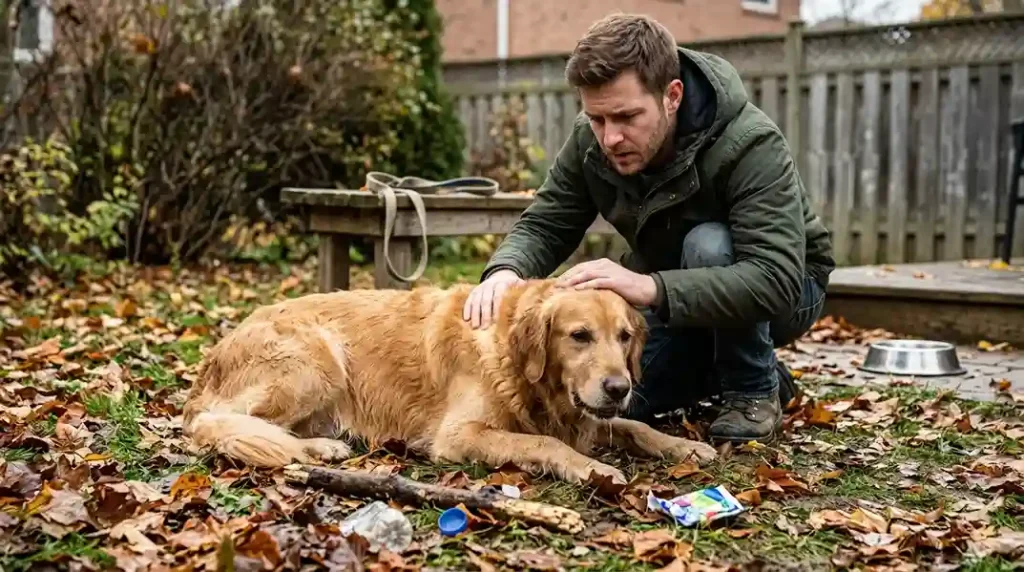
Sometimes this is only a common act or a natural thing. However, there can also be:
- underlying cause
- underlying illness
- gastrointestinal disease
- digestive disorder
- pathology
- pica
- behavioural conditions
Pica and Eating Non-Food Items
Dogs with pica may eat:
- dirt
- rocks
- plastic
- wood
- clothing
- garbage
- your child’s homework
Some dogs with:
- teething
- stress
- excessive chewing habits
may also start:
- digging
- forage behavior
- retrieving
- scenting
- herding
- patrolling like a hunting dog
Parasites, Plants, and Toxic Risks
In other cases, the problem may involve:
- intestinal parasites
- worms
- infestation
- lungworm
- slug slime
- snail slime
- contaminated stools
- toxic poisonous plant
Be careful with:
- poisonous plants
- poisonous trees
- wet leaves
- toxic leaves
- non-toxic leaves
Plants that may be dangerous include:
- aloe
- ficus
- azalea
- oleander
- Christmas star
- mistletoe
Also avoid:
- pesticides
- chemicals
- harmful chemicals on leaves in the backyard
Warning Signs and Symptoms
A sick dog may show symptoms like:
- drooling
- diarrhoea
- reduced appetite
- refuses food
- dry heaves
- lethargic behavior
- collapse
- seizures
- breathing problems
- obstruction
- blockage
- bad bowel movement
- A recurring behavior that happens endlessly
Some dogs may also suffer from:
- liver issues
- pancreas issues
- allergies
- stuck external body
- sensitive stomach
- sudden problem after changing dog food
Puppies and Supervision
Puppies are often inquisitive and show instinctive behaviour.
Owners should:
- Discourage unsupervised access to leaves
- Supervise dogs outside
Veterinary Care and Treatment
If your dog keeps vomiting, shows recurring nausea, excessive gas, or other health concerns, visit a veterinarian for:
- medical attention
- professional advice
- physical examination
- routine tests
- complete blood count
- urinalysis
- fecal exam
- biochemistry panel
- proper treatment
Your vet may suggest:
- digestive supplements
- calming supplements
- routine dewormer
- A better complete diet
- follow-up visit
This helps make sure the parasites are fully eradicated.
FAQs
Why do dogs eat leaves and grass?
Dogs may eat leaves and grass due to boredom, anxiety, instinct, stomach upset, nausea, or nutritional deficiencies.
Is it normal for dogs to throw up after eating leaves?
Some dogs may vomit after eating leaves or grass. Small amounts may not be serious, but repeated vomiting can be a warning sign.
Can eating leaves be dangerous for dogs?
Yes. Wet leaves, toxic leaves, poisonous plants, chemicals, pesticides, and parasites may cause serious illness.
Should I take my dog to a veterinarian?
Yes, especially if your dog has recurring nausea, vomiting, diarrhoea, lethargic behavior, seizures, blockage, or refuses food.
Conclusion
Many behaviorists remain perplexed by this behavior, and some studies suggest that fewer dogs vomit after eating grass than many people think. Still, pet owners should watch for any symptoms, signs of illness, or dangerous consequences.