Old Dog Doesn’t Like New Dog
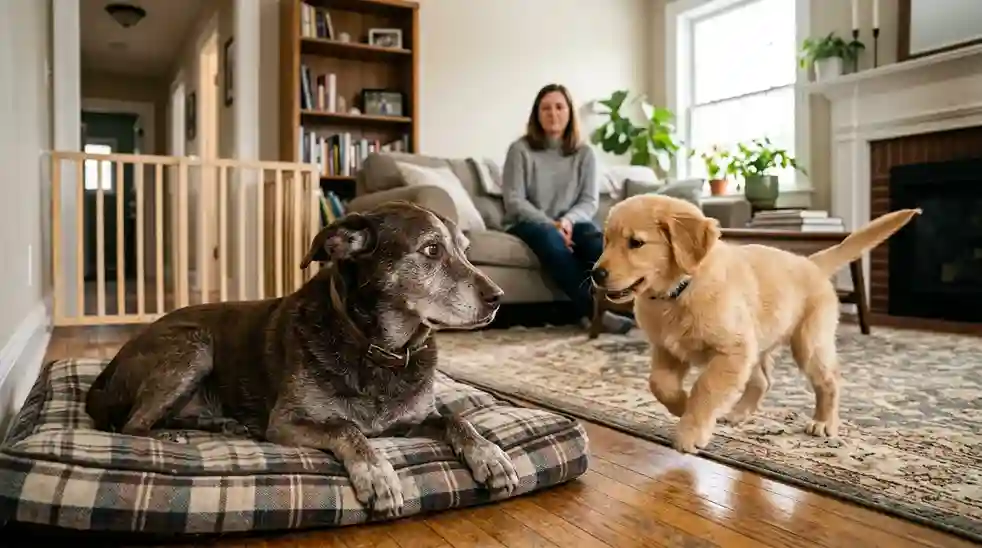
Many dog owners feel stressed when an older dog meets a new puppy for the first time. Some dogs need time to adjust to the new arrival, especially when the puppy has too much energy and keeps trying to play.
A loud goofy puppy can feel overwhelming for a senior dog or middle age dog. The good news is that many dogs slowly warm up, learn better behavior, and begin to live together more peacefully.
Dog Hates New Puppy
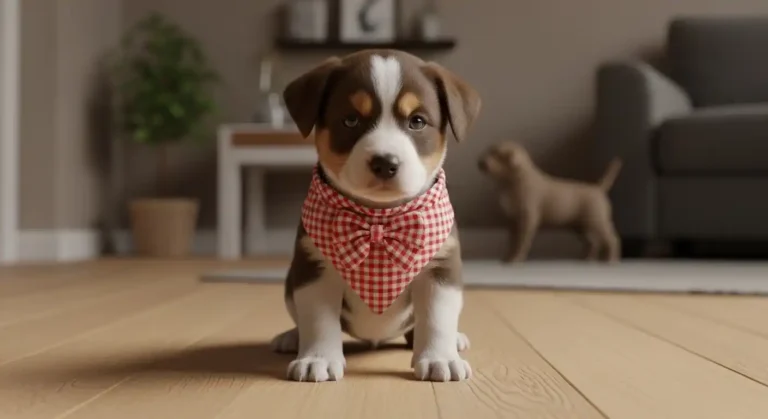
When my older dog first saw the new puppy, my current dog looked scared, aggressive, and started growling in the same room. He even tried lunging when the puppy came too close.
This is more common than many dog owners think. Many adult dogs do not enjoy the wild energy of young puppies. Some feel threatened, some get stress, and some need time to adjust to the new arrival.
A loud goofy puppy can be annoying, especially for a senior dog or middle age dog with arthritis, sore hips, or low patience.
I have seen dogs:
- snarl
- growl
- show teeth out
- make fake snapping sounds
Sometimes this happens without actual biting, breaking skin, or blood.
That is often normal dog communication and part of canine communication.
Still, if the older dog keeps pursuing, corners the puppy, or uses teeth in a hard bite, you should:
- intervene
- stay safe
- maybe consult a veterinary behaviorist
- contact a dog trainer
- work with a professional behavioural dog trainer
Give Them Space And Time
The best tips I learned were simple. Keep the dogs separate at first.
You can use:
- baby gates
- an exercise pen
- barriers in the house
- a crate trained setup
Give the old dog:
- an own space
- a quiet space
- a favorite place
This helps the puppy avoid bothering him.
Keep all:
- high-value objects
- bones
- favorite toys
Food should also stay picked up to stop:
- resource guarding
- competition
- guarding problems
Feed them food separately and let them enjoy:
- special treats
- a delicious chew toy
- food stuffed toys
Give both dogs:
- alone time
- one-on-one play
- separate play time
A tired puppy is a calmer puppy. Keep the puppy exercised with:
- mental exercise
- physical exercise
- walks
- playing together
- walking together
- chase
- ball
- small training sessions
I also use:
- short time-outs
- calm supervision
- gentle positive reinforcement
- praise
- rewards
- treats
This helps when both dogs behave well.
Never leave them unsupervised or let rough interactions happen near:
- small kids
- children toys
- the living room
- yard
- couch
- bedroom
- swimming pool
If your older dog is struggling to accept a new puppy, learning how to make dog like cat can also help. Many of the same tips like slow introductions, giving pets space, and managing stress work well when helping dogs accept new animals in the home.
Helping Dogs Build A Better Relationship
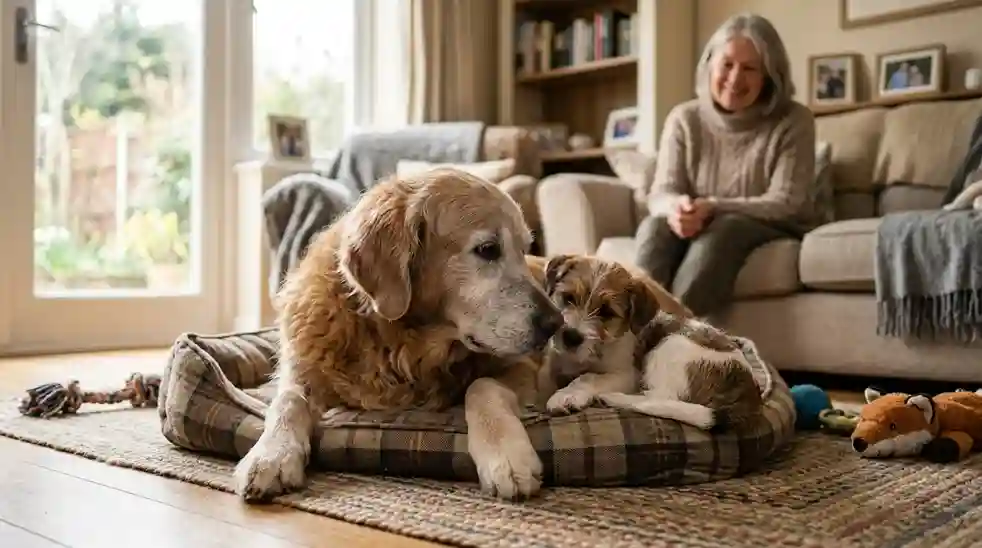
A dog that dog hates new puppy today may become best buddies later. I have watched nervous dogs slowly warm up, start laying together, and later bond and play happily.
It takes days, sometimes weeks, and in some homes a long adjustment period.Dogs from multi-generations in one household need:
- patience
- good management
- clear boundaries
Puppies often accidentally harass older dogs by:
- pulling fur
- grabbing the tail
- jumping in the dog’s face
- constantly trying to play
Many puppies lack:
- social skills
- proper canine manners
- polite behavior
This happens because they are still learning.
Watch Dog Body Language
Watch dog body language closely.
Signs like:
- licking lips
- panting
- yawning
- leaning away
- avoiding eye contact
- submissive behaviours
- moving away
These signs show the dog feels uncomfortable.
Step in before things become a serious situation.
Do not use:
- punish
- yelling
- harsh leash corrections
That can create:
- confusing behaviour
- more reactivity
- more fear
Stay calm and use:
- guidance
- a similar routine
- reassurance
- affection
Help the dogs get to know one another at their own pace.
Some dogs become playful playmate pairs, while others just peacefully co-exist and tolerate each other.
Conclusion
Both outcomes are okay if the home stays calm, respectful, and safe for all existing four-legged family members. Many dogs simply need time, patience, and good management before they fully settle into life with a new puppy.