
Full-Grown Mountain Cur–Beagle Mix: Size and Care

A full-grown Mountain Cur–Beagle mix has no standardized adult size, appearance, or temperament. The parent breeds provide clues, but they do not produce a dependable formula. Expect variation, and use documented ancestry, the dog's age and growth, and veterinary assessment to make practical decisions about equipment and care.
For an adult adoption dog, actual measurements and observed behavior are more useful than a prediction based on the mix name. For a puppy, treat any promised weight range as an estimate rather than a guarantee.
What does Mountain Cur–Beagle mix mean?
The label usually describes a dog thought to have ancestry from a Mountain Cur and a Beagle. It may refer to documented parents, a DNA result, or a visual guess in an adoption listing. Those are different levels of information.
Ask how the identification was made. "Cur" can also be used loosely, and a Mountain Cur is not the same breed as a Black Mouth Cur. If the listing only says "cur mix," clarify what is known before making breed-specific assumptions.
Our guide to Black Mouth Cur and hound mixes discusses another combination that can be confused with this one. Similar ears, coloring, or a dark muzzle cannot confirm either dog's ancestry.
How big will the mix be when full grown?
There is no established Mountain Cur–Beagle mix breed standard. Parent size can help with an estimate, but mixed-breed inheritance does not require a puppy to fall exactly halfway between the parents.
The AKC's Mountain Cur breed profile offers background on one parent breed. Use parent profiles for context, rather than adding their sizes together and dividing by two to predict an individual dog.
If the dog is already adult, weigh them and measure chest girth, body length, and standing height as needed for equipment. For a growing puppy, ask your veterinarian to review age, growth records, and body condition. Large paws alone are not a reliable adult-weight calculator.
When is the dog fully grown?
Growth and maturity vary between individuals. Reaching adult height, filling out physically, and becoming behaviorally mature are separate processes. A dog can appear adult while still needing the supervision and training of an adolescent.
Keep equipment fit under review rather than buying everything for an imagined final size. Check harness straps, crate space, and bedding regularly as the puppy grows. Replace or adjust items before tightness or lack of room becomes uncomfortable.
Do not overfeed to reach a predicted weight. The aim is appropriate growth and body condition, not matching an internet chart for a mix that has no standardized chart.
Appearance and coat
Both parent breeds have short coats, so a short coat is a reasonable possibility, but the mix label alone cannot guarantee exact texture, density, color, or markings. Additional ancestry can also change the picture.
Expect grooming needs to follow the coat you actually see. Use gentle brushing, inspect the skin, and ask a groomer about suitable tools if you are unsure. Short hair can still shed, so a short-coated mix is not automatically a low-allergen or low-shedding choice.
Floppy ears may be present, but ear shape does not diagnose a care problem. If you notice redness, odor, discharge, or discomfort, consult your veterinarian rather than repeatedly cleaning in an attempt to correct it.
Energy, scent interest, and training
Mountain Curs and Beagles have hunting backgrounds, so interest in scents, wildlife, and outdoor activity is a sensible possibility to plan for. It is still important to observe the individual dog's intensity and what helps them settle.
Use secure fencing and a properly fitted leash setup while learning the dog's habits. Do not assume that a friendly dog will ignore wildlife or return when called around an exciting scent. Recall practice belongs in safe conditions before greater freedom is considered.
Make training easy to understand. Work in short sessions, reward desired choices, and add distractions gradually. If a dog cannot focus beside a strong scent, increase distance rather than deciding they are stubborn and need harsher handling.
Build a routine around the individual
Combine comfortable walks with sniffing opportunities, simple training, and suitable enrichment. Some dogs enjoy toy play; others find searching for a small reward more engaging. Include quiet rest instead of using constant activity to chase a permanently tired dog.
A sample routine could include a sniff-focused morning walk, a short midday training exercise, and a calm evening outing. That is an organizational example, not an exercise prescription. Adjust duration and intensity to the dog's age, condition, weather, and response.
If your dog seems restless but ignores every toy, try our guide to a bored dog who will not play with toys. The useful question is what this dog finds rewarding, not whether they match an expected breed stereotype.
Questions to ask before adoption
| Ask the rescue or current carer | Why the answer matters |
|---|---|
| What supports the breed estimate? | Separates known ancestry from appearance-based guesses |
| What is the dog's current age and weight? | Helps with equipment and growth expectations |
| How do they respond to wildlife and other pets? | Guides safe management and introductions |
| Can they settle indoors after an outing? | Shows more than a general label such as "high energy" |
| What happens when they are left alone? | Helps you plan realistic care and gradual training |
Ask for examples rather than guarantees. A dog's behavior in one setting may change after a move, so allow adjustment time and keep early expectations modest.
A Mountain Cur–Beagle mix can be a rewarding companion for a suitable home, but suitability comes from the actual dog. Measured size, observed behavior, humane training, and a realistic care plan are more dependable than a fixed description of what every full-grown mix must be like.
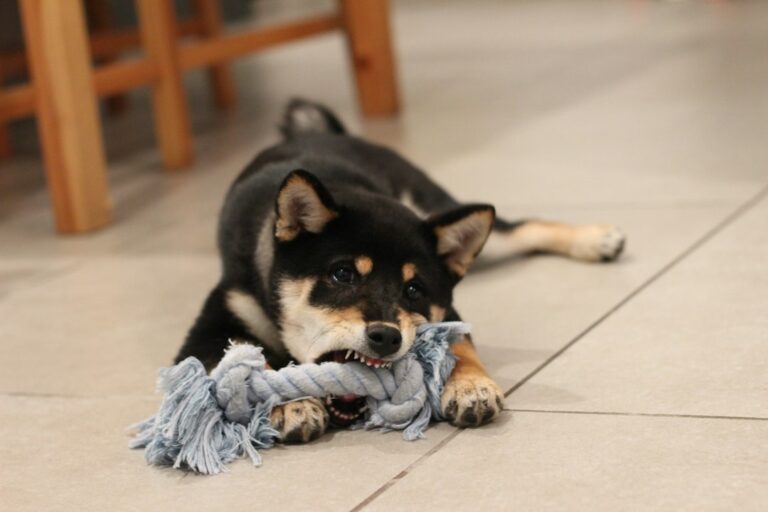
Featured photo: Beagle, one of the parent breeds, shown for illustration; this is not a verified Mountain Cur–Beagle mix. Artem Beliaikin / Unsplash.





One Comment
Comments are closed.