Do Border Collies Have Double Coats? Coat Facts
Quick Answer: Do Border Collies Have Double Coats?
Yes — all Border Collies have double coats. Every Border Collie, whether the rough (long-haired) or smooth (short-haired) variety, grows a dense, soft undercoat beneath a weather-resistant outer coat of guard hairs. That double layer is what protected them while herding sheep through harsh weather along the English-Scottish border, and it is also the reason they shed steadily all year and “blow” their undercoat heavily each spring and fall.
If you are considering the breed or already living with one, understanding that double coat changes how you groom, how you manage shedding, and what you should never do to it. Here is the complete picture.
What a Double Coat Actually Is
A double coat is two distinct layers of fur growing from the same skin. The undercoat is short, dense, and woolly — its job is insulation, trapping air to keep the dog warm in winter and, less obviously, buffering against heat in summer. The topcoat (guard hairs) is longer, coarser, and slightly oily; it sheds water, resists dirt, and protects the undercoat from sun damage.
Border Collies grow a particularly functional version of this system. Their topcoat lies fairly flat and is weatherproof enough that rain tends to bead and roll off, while the undercoat stays dry underneath. This is a working heritage you can still see: a Border Collie caught in a downpour shakes off and is remarkably dry beneath the surface layer.
Not sure whether your own dog’s coat qualifies? Our guide on how to tell if your dog is double coated walks through simple at-home tests, including the part-the-fur check that reveals the dense undercoat layer.
Rough Coat vs. Smooth Coat: Both Are Double Coats
Border Collies come in two AKC-recognized coat varieties, and this is where confusion starts — many owners assume the short-haired type must be single-coated. It is not.
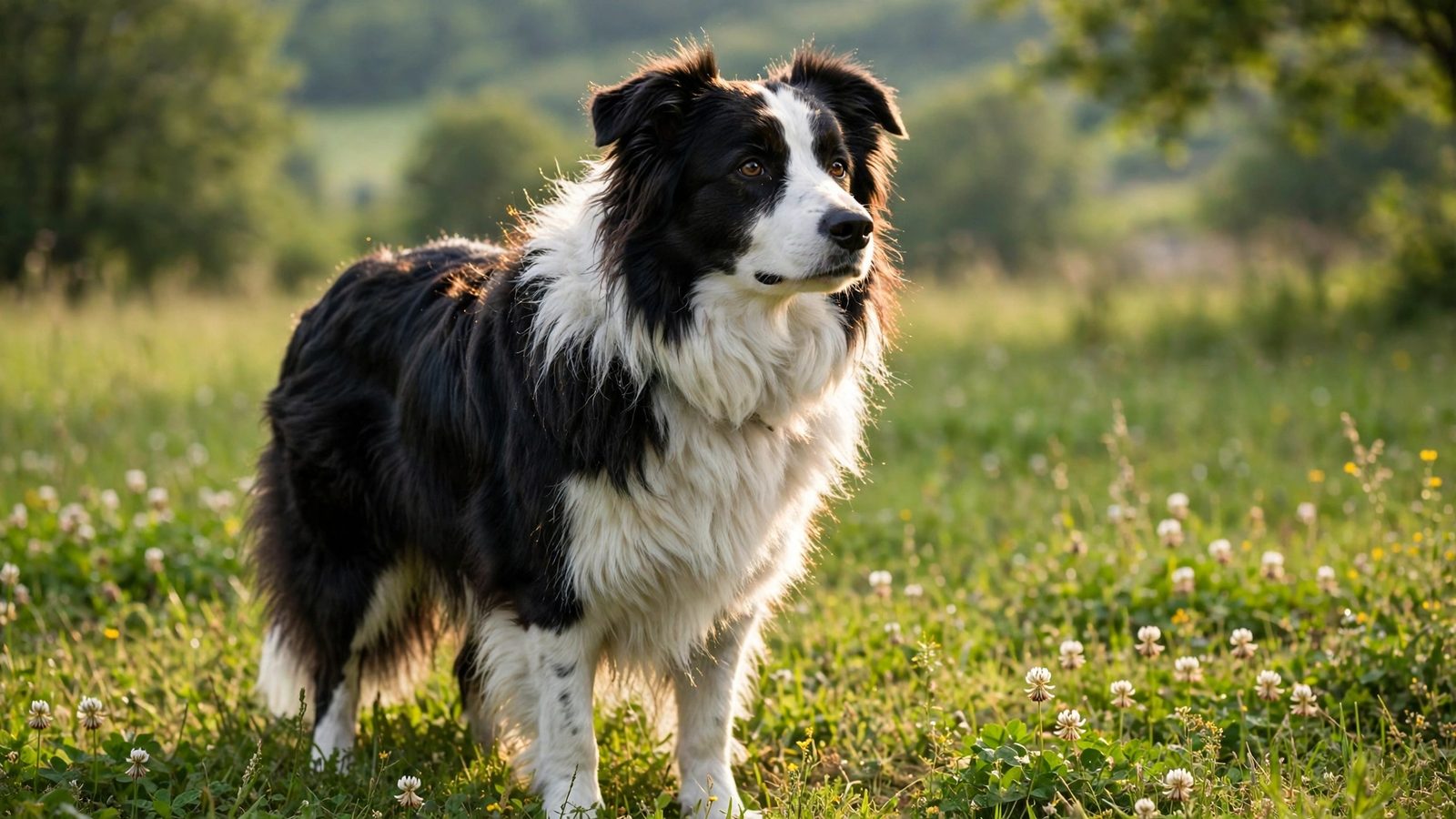
- Rough coat: medium-length, slightly wavy outer coat with feathering on the legs, chest, and tail. This is the classic “Lassie-adjacent” look most people picture. It shows shedding more visibly and needs more brushing.
- Smooth coat: short, dense, and coarse all over. It looks low-maintenance, but the undercoat is just as thick — smooth Collies shed just as much hair; it is simply shorter and less noticeable on furniture.
Both varieties blow their undercoat seasonally, both need the same grooming tools, and the same “never shave” rule applies to both.
Shedding: What to Honestly Expect
Border Collies are moderate-to-heavy shedders year-round, with two dramatic seasonal peaks. In spring, the dog sheds the thick winter undercoat to prepare for summer; in fall, the lighter summer undercoat is replaced with dense winter insulation. During these “coat blow” periods — typically lasting 2–4 weeks — you will find tumbleweeds of undercoat on floors, in the yard, and woven into your clothing.
Several factors intensify shedding: indoor heating and air conditioning blur seasonal light cues and can trigger near-constant moderate shedding; stress, poor diet, and skin issues increase it further; and unspayed females often blow coat after a heat cycle. A high-quality diet rich in omega fatty acids supports coat health but will not turn a double-coated breed into a light shedder — manage expectations instead of fighting genetics.
Around the house, a few habits make heavy shedding livable. Brush before the hair hits the floor — ten minutes with a slicker captures what would otherwise become a day’s worth of tumbleweeds. Washable throws on favorite furniture spots, a rubber-bristled broom for hard floors, and a vacuum with a brush roll rated for pet hair handle the rest. Many owners also schedule the big seasonal blow-outs around grooming appointments, letting a professional high-velocity dryer blast out the loose undercoat in one session.
How the Double Coat Handles Heat and Cold
One of the most misunderstood things about double coats is that they are not just winter gear. The undercoat is insulation in both directions: in winter it traps warm air against the body, and in summer the lofted air layer buffers the skin against radiant heat. That is why a Border Collie with a healthy, brushed-out coat often copes with warm weather better than the same dog with a matted or shaved coat.
What the coat cannot do is air-condition the dog. Dogs release heat primarily by panting, with only minor help from sweat glands in the paw pads. In hot weather, your job is to support that system: exercise in the cool of morning or evening, offer constant fresh water, provide shade, and never leave the dog in a parked car. A matted coat is the real summer danger — felted undercoat blocks airflow to the skin and turns the insulation layer into a heat trap. Regular brushing is genuinely a cooling strategy.
Swimming is a favorite Border Collie pastime and great exercise, but a double coat holds water. After swims, rinse off chlorine or pond grime and dry the coat thoroughly, brushing as you go. A damp undercoat left to air-dry in a warm house is a recipe for hot spots and mildew-like odor.
The Grooming Routine That Controls It
You cannot stop a double coat from shedding, but you can capture most of the loose hair in the brush instead of on your sofa. The routine that works:
- Brush 2–3 times per week with a slicker brush or pin brush, working down to the skin so you reach the undercoat, not just the topcoat. During coat-blow season, brush daily.
- Follow with a steel comb on the feathered areas (behind ears, britches, tail) where tangles form.
- Bathe monthly with a gentle oatmeal or moisturizing dog shampoo; always brush thoroughly before the bath, since water tightens existing tangles into mats.
- Blow-dry on cool after baths while brushing — this blasts out astonishing amounts of loose undercoat.
- Never skip the rear: the dense “pantaloons” on the hindquarters pack with undercoat fastest.
The technique mirrors what works for other double-coated breeds — our guide to brushing a golden retriever covers the same undercoat-first approach in detail.
Never Shave a Border Collie (With Rare Exceptions)
This is the single most important double-coat rule. Shaving destroys the coat’s insulation system: the undercoat often grows back faster than the guard hairs, leaving a patchy, cottony mess that mats constantly and no longer repels water or regulates temperature properly. Worse, shaved double-coated dogs can actually overheat more easily, since the intact coat buffers against heat.
The only legitimate reasons to clip a Border Collie short are medical (surgery, severe matting that cannot be humanely brushed out, or a veterinarian’s instruction for a skin condition). “He looks hot” is not one — dogs cool themselves by panting, not through their skin, and the coat is part of the cooling system. PetMD’s Border Collie breed profile confirms the breed’s moderate grooming needs and year-round shedding pattern.
Tools That Work Best on the Border Collie Coat
- Slicker brush: the daily driver for removing loose undercoat.
- Undercoat rake: during coat-blow season, a rake with rotating teeth pulls out packed undercoat without cutting topcoat — the one coat type where this tool truly shines.
- Steel comb: for feathering and detail work.
- High-velocity dryer: the secret weapon for blow-outs; worth the investment for heavy shedders.
Skip rubber curry brushes as your primary tool — they are fine for short single coats but cannot reach a Border Collie’s undercoat.
Frequently Asked Questions
Do smooth-coat Border Collies shed less than rough-coats?
No — they shed the same amount. The hairs are simply shorter, so they are less visible on clothing and furniture but just as present. Grooming needs are nearly identical.
When do Border Collies blow their coat?
Typically spring and fall, each lasting 2–4 weeks, though indoor dogs may shed heavily almost year-round. Daily brushing during the blow keeps it manageable.
Can I shave my Border Collie for summer?
No. Shaving damages the double coat’s structure, can cause it to regrow patchy and mat-prone, and removes the insulation that actually helps the dog regulate temperature. Keep the coat brushed out instead.
Are Border Collies hypoallergenic?
No. Their double coat sheds dander continuously, and no double-coated breed is hypoallergenic. Allergy sufferers should spend time around the breed before committing.
How often should I bathe my Border Collie?
About once a month, or when dirty. Over-bathing strips the coat’s natural oils. Always brush out the undercoat before the bath, not after.
Why is my Border Collie’s coat dull or flaky?
A dull, flaky double coat usually points to diet, under-brushing, or over-bathing rather than the coat type itself. Make sure the food meets AAFCO standards with adequate omega fatty acids, brush down to the skin several times a week, and cut back to monthly baths. If flaking comes with itching, redness, or bald patches, see your vet to rule out allergies or skin infection.
The Bottom Line
Border Collies absolutely have double coats — dense, weatherproof, and gloriously high-maintenance twice a year. Accept the shedding, invest in a slicker brush and undercoat rake, brush down to the skin several times a week, and never shave that beautiful working coat. Do that, and the famous Border Collie coat stays healthy, functional, and far less overwhelming than its reputation suggests.