
When Do Dogs Start Shedding? A Complete Timeline

Quick answer: Most puppies start shedding their soft baby coat between 4 and 6 months of age, though the timing can range from 12 weeks to a full year depending on the breed. Long-haired breeds like Pomeranians may take up to 2 years to grow their complete adult coat. Once the puppy coat is gone, adult dogs settle into their own seasonal or year-round shedding rhythm.
The Puppy Coat Timeline, Month by Month
Every puppy is born with a single coat of soft, fluffy fur that keeps them warm and looks irresistible. That baby coat is temporary. As your puppy grows, hair follicles move through cycles of rapid growth, slower growth, and rest, and the old puppy hair is pushed out to make room for the tougher adult coat. Here is how that transition usually unfolds.
Birth to 12 Weeks: The Fluffy Baby Coat
Newborn puppies have one thin, downy layer of fur. It does an excellent job of keeping a tiny puppy warm, but it offers little protection against the elements. During these early weeks you will notice almost no shedding at all, which is completely normal.
3 to 4 Months: The Change Begins
Around 12 to 16 weeks, many puppies start losing that ultra-soft texture. You might find a little extra fluff on bedding or notice the coat looks slightly uneven. Short-haired breeds often go through this quietly, while owners of long-haired puppies may spot the first real tufts coming loose.
4 to 6 Months: Peak Coat Change
This is the main event for most dogs. Shedding noticeably increases as the adult coat pushes through. Double-coated breeds begin developing their dense undercoat now, and this is also when many puppies hit the awkward stage groomers fondly call the “puppy uglies” — a few weeks or months where the coat looks patchy, shaggy, or uneven. It is temporary and a healthy sign that the adult coat is arriving.
6 to 12 Months: The Adult Coat Settles In
By the second half of the first year, most dogs are wearing something close to their adult coat. Shedding becomes more predictable, and you will start to see your dog’s true long-term pattern emerge, whether that is heavy seasonal blowouts or light, steady shedding.
Up to 2 Years: The Late Bloomers
Some long-haired breeds take their time. Pomeranians, Afghan Hounds, and a few other slow-maturing breeds may not finish growing their full adult coat until 18 to 24 months. If your long-haired puppy still looks a bit scruffy at a year old, patience is usually the answer, not panic.
Why Breed Makes Such a Big Difference
Genetics control almost everything about shedding: when it starts, how much hair falls, and what the adult coat looks like. Double-coated breeds such as Siberian Huskies, Golden Retrievers, German Shepherds, and Labrador Retrievers grow a soft insulating undercoat beneath a tougher outer coat, and they tend to shed the most, especially during seasonal coat blows.
Single-coated breeds like Poodles, Bichon Frises, and Maltese grow hair continuously with minimal shedding, though even they lose a small amount of puppy coat. If you are unsure which type your dog is, learn how to tell if your dog is double coated — it changes how you brush, bathe, and manage shedding for life.
Expect some surprises during the transition. Dalmatians are famously born without spots, and breeds like English Setters, Bedlington Terriers, Kerry Blue Terriers, and Shih Tzus can change color or pattern dramatically as the adult coat comes in. The American Kennel Club’s guide to puppy coat changes has a good overview of what is normal during this phase.
Seasonal Shedding vs. Year-Round Shedding
Once adulthood arrives, most dogs shed on one of two schedules. Seasonal shedders “blow” their coat in spring and fall, driven largely by changing daylight hours — longer spring days trigger the release of the heavy winter coat over about four to six weeks, and the cycle repeats as days shorten in autumn.
Dogs that live mostly indoors often break this pattern. Constant exposure to artificial light and climate control confuses the daylight trigger, so many indoor dogs shed lightly all year instead of in two big seasonal waves. Neither pattern is a problem on its own; what matters is whether the pattern is stable for your individual dog.
How to Manage Shedding Like a Pro
You cannot stop shedding, and you should not try — it is how dogs maintain a healthy coat. You can absolutely keep it under control, though:
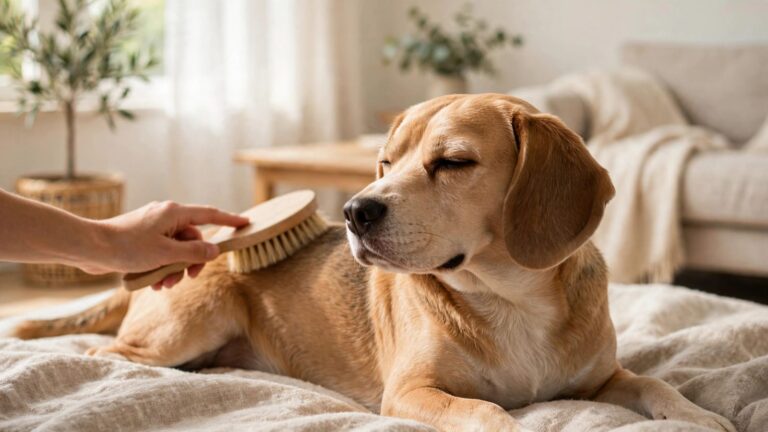
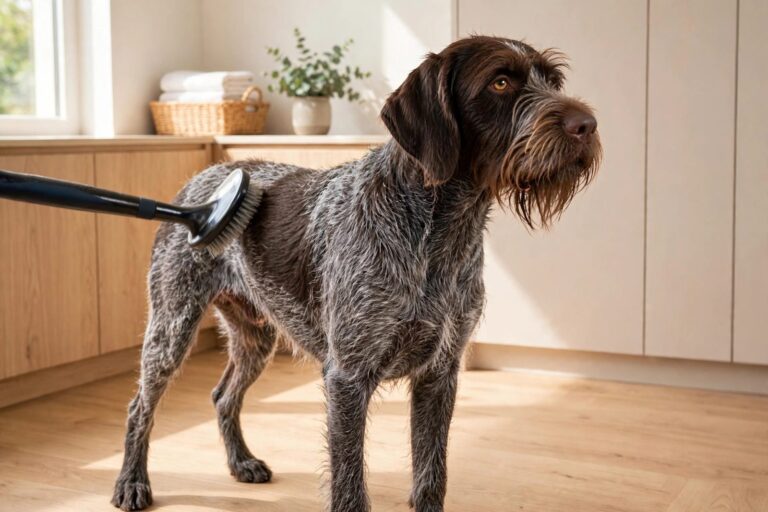
- Brush on a schedule. Regular brushing removes loose hair before it lands on your sofa. Start during the puppy coat change so your dog learns to enjoy it, and match the tool to the coat — see our guide to choosing the right brush for your dog’s coat type. Slicker and pin brushes reach deep into thick coats, while soft bristle brushes suit short, fine hair.
- Bathe every one to three months. A warm bath loosens dead hair a brushing session can miss. Ask your vet whether a de-shedding shampoo suits your dog, and never over-bathe — too much washing strips natural oils and can make shedding worse.
- Feed a complete, balanced diet. Healthy hair starts from the inside. Quality nutrition with proper vitamins and minerals strengthens hair follicles and reduces breakage. Some vets also recommend omega-3 fatty acid supplements for coat health — check with yours first.
- Keep fresh water available. Dehydration can contribute to dry skin and excess hair loss, so make sure your dog always has clean water.
- Stay on top of the house. A quick daily vacuum of your dog’s favorite spots, washable furniture covers, and a lint roller by the door make heavy-shedding weeks far less stressful.
When Shedding Isn’t Normal: See Your Vet
Normal coat change is gradual and the skin underneath looks healthy. Book a veterinary checkup if you notice any of these red flags:
- Bald patches or large clumps of fur coming out
- Flaky, scaly, red, or inflamed skin
- Constant scratching, licking, or chewing at the skin
- A sudden, dramatic change in how much your dog sheds
These can signal fleas, mites, fungal or bacterial infections, allergies, hormonal conditions like Cushing’s disease, poor nutrition, or stress. All of them need a vet’s diagnosis — shedding alone never tells the whole story.
What About Shedding in Senior Dogs?
Shedding often slows down as dogs enter their senior years because hair follicles become less active with age. Many owners of older dogs notice less hair around the house than during the prime adult years. That said, a sudden increase in shedding — or new bald patches — in an older dog deserves attention rather than celebration. Senior dogs are more prone to hormonal conditions like hypothyroidism and Cushing’s disease, both of which affect the coat. If your gray-muzzled companion’s shedding pattern changes noticeably, mention it at the next vet visit, or sooner if the skin looks irritated.
Frequently Asked Questions
Do all puppies shed their baby coat?
Yes. Every dog eventually replaces its puppy coat with an adult coat, even breeds famous for “not shedding.” Low-shedding breeds simply do it more gradually and keep losing very little hair afterward.
Does heavy puppy shedding mean my dog will be a heavy shedder as an adult?
Not necessarily. Some puppies shed a lot and grow into moderate shedders, while others barely shed as pups and shed heavily as adults. The adult pattern usually becomes clear between 12 and 18 months.
Why is my indoor dog shedding in the middle of winter?
Indoor lighting and heating disrupt the daylight-driven seasonal cycle, so indoor dogs commonly shed lightly all year round, including winter. As long as the skin looks healthy, it is normal.
Can I shave my dog to reduce shedding?
No — shaving does not reduce shedding and can damage the coat, especially in double-coated breeds where the undercoat may grow back unevenly and lose its insulating ability. Regular brushing is the safe alternative.
How long does the puppy coat change last?
The intense phase usually lasts a few weeks to a couple of months, most often between 4 and 8 months of age. Slow-maturing long-haired breeds can take up to 2 years to finish.
Should I change my dog’s food if shedding increases suddenly?
Not before talking to your vet. A sudden spike in shedding can have many causes — seasonal change, stress, allergies, or illness — and switching foods blindly can upset your dog’s stomach without fixing anything. Rule out health issues first, then discuss diet with your vet.
Watching your puppy trade baby fluff for a grown-up coat is one of the milestones of the first year. Know the timeline, brush regularly, feed well, and you will get through the fluff storm — and the “puppy uglies” — with your sanity and your furniture intact.





One Comment