When Do Dogs Lose Their Puppy Coat? Timeline Guide

The Short Answer
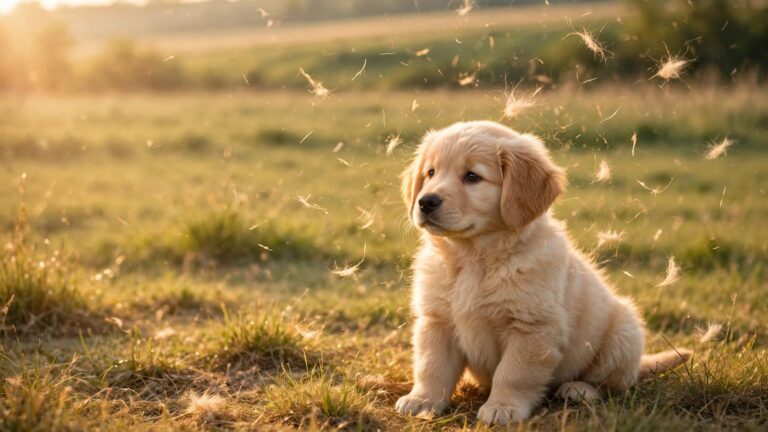
Most dogs lose their puppy coat between 4 and 6 months of age, though the timeline varies widely: it can start as early as 12 weeks or as late as the first birthday, and long-coated breeds like Pomeranians may take up to 2 years to grow their full adult coat. The soft, fluffy puppy fur is gradually pushed out as adult hair grows in — often with an awkward in-between stage owners call “the uglies.” Regular brushing during the transition keeps your puppy comfortable and helps the adult coat come in healthy.
Puppy Coat vs. Adult Coat: What’s Different?
Puppies are born with a single layer of soft, fine, fluffy fur whose main job is keeping a tiny body warm. It is not built to last. As the puppy matures, hair follicles shift into adult growth cycles — phases of rapid growth, slower growth, and rest — and the new, coarser adult hair physically pushes the old puppy fur out.
The adult coat is typically thicker, stiffer, and denser than the puppy coat. Double-coated breeds grow two distinct adult layers: a soft, insulating undercoat beneath a tougher protective outer coat. Single-coated breeds grow their own signature texture, whether short and sleek or long and silky. Color often changes too — Dalmatians are famously born spotless, and breeds like Shih Tzus, Kerry Blue Terriers, and English Setters can shift color dramatically from puppyhood to adulthood.
When Do Dogs Lose Their Puppy Coat? Timeline by Breed Type
- Small and short-haired breeds (Beagles, French Bulldogs, Pugs): often start around 4–5 months and finish quickly. You may barely notice — just a bit more hair on the couch than usual.
- Medium breeds (Border Collies, Australian Shepherds): typically 5–8 months, with a visible increase in shedding as the undercoat develops.
- Large and giant breeds (Labradors, German Shepherds): usually 6–12 months. Short-haired but dense-coated breeds like Labs can actually shed more total fur than long-haired dogs — the hair is just less noticeable on furniture.
- Long-haired breeds (Afghan Hounds, Old English Sheepdogs): the transition can stretch to 12–18 months.
- Pomeranians and similar: the famous “puppy uglies” phase can last months, with the full adult coat not arriving until around 2 years.
- “Non-shedding” breeds (Poodles, Bichons): they still lose puppy coat, just more gradually — and the adult coat that replaces it needs regular clipping and brushing to prevent matting.
Environment plays a role too. Shedding is partly triggered by daylight changes, so outdoor dogs often blow coat seasonally in spring and fall. Indoor dogs living under artificial light may shed lightly all year, which can blur the puppy-coat transition.
Signs the Transition Is Starting
Most owners first notice the change during routine petting or brushing. Telltale signs include: noticeably more loose fur on your hands, clothes, and furniture than a few weeks ago; a rougher or coarser feel along the back and sides where adult guard hairs are arriving; tufts of soft undercoat coming away easily when you brush; and subtle color changes, often starting around the ears, back, or tail. In double-coated breeds you may feel a denser layer developing beneath the surface fluff. None of this requires action beyond stepping up your brushing routine — it is simply the adult coat clocking in for duty.
What the Transition Looks Like
Do not panic if your adorable fluffy puppy suddenly looks scruffy — that is normal. Common sights during the changeover:
- The “uglies”: patchy, uneven fur where adult coat is coming in faster in some areas (often the back and sides first). It lasts a few weeks to a few months.
- Color shifts: fur coming in darker, lighter, or with new markings. Totally normal in most breeds.
- Texture change: the coat may feel coarser or wirier, especially along the back. Double coats start showing distinct layers.
- More shedding than ever before: the old coat has to go somewhere — usually onto your clothes, couch, and car seats.
If you are tracking your puppy’s overall development, our complete shedding timeline puts the puppy-coat phase in the context of lifelong shedding patterns.
Grooming Your Puppy Through the Transition
Brush More Often (With the Right Tool)
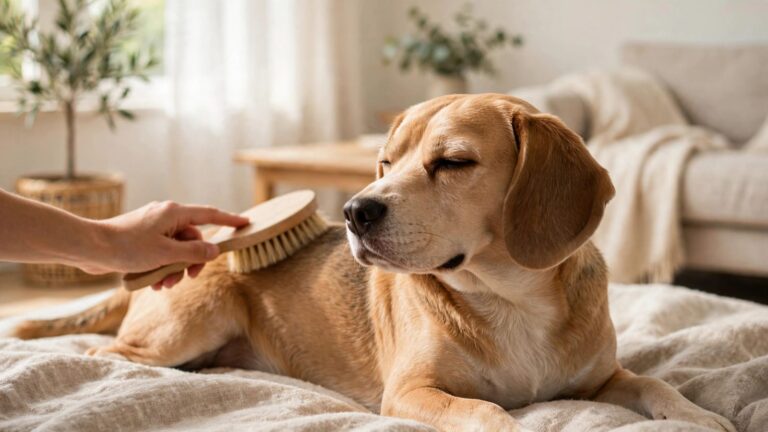
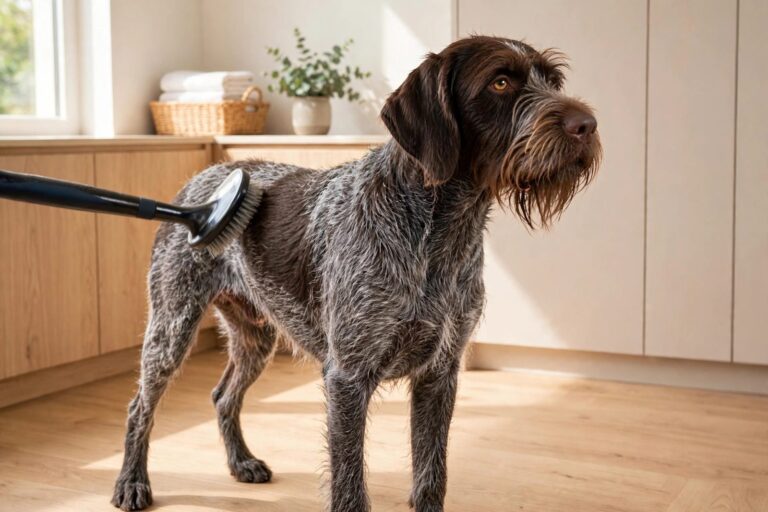
Step up brushing to several times a week during heavy shedding phases — daily for long-coated breeds. Use a softer brush than you will need for the adult coat at first; slicker brushes, bristle brushes, and undercoat rakes each suit different coat types. Unsure what your puppy is growing into? Our guide on how to tell if your dog is double-coated includes simple at-home tests. Always brush gently: puppy skin is thin and sensitive, and painful grooming now creates a dog that hates the brush forever.
Start Good Grooming Habits Early
The transition period is the perfect time to normalize handling. Let your puppy sniff the brush, reward calm behavior with treats, and keep sessions short and positive. If your breed will eventually need professional grooming or clippers, get them used to the sound and vibration early — holding an electric toothbrush near their body during treat time is a classic desensitization trick.
Bathe Strategically
An occasional bath with a gentle puppy shampoo helps loosen and remove dead coat. Do not over-bathe — too-frequent washing strips natural oils and dries out the skin, which can actually worsen shedding. Every 4–6 weeks is plenty for most puppies unless they get genuinely dirty.
Feed for Coat Health
A complete, balanced puppy diet with proper fatty acids is the foundation of a healthy adult coat. As the AKC’s chief veterinarian notes, nutrition and hydration directly affect coat quality — dehydration alone can cause hair loss. Ask your vet or breeder whether your puppy’s food meets their needs; do not supplement with oils or vitamins without veterinary guidance.
When Hair Loss Is NOT Normal: See Your Vet
Normal coat transition is gradual and the skin underneath looks healthy. Call your veterinarian if you notice:
- Bare patches or bald spots
- Red, inflamed, scaly, or flaky skin
- Excessive scratching, chewing, or licking at the skin
- Large clumps of fur coming out with minimal handling
- Hair loss paired with lethargy, appetite changes, or weight loss
These can signal fleas, mites (including mange), fungal or bacterial skin infections, allergies, hormonal disorders like hypothyroidism or Cushing’s disease, or nutritional deficiencies. True alopecia always deserves a professional diagnosis — do not try to treat it with grooming alone.
Frequently Asked Questions
Do puppies lose their puppy coat all at once?
No — it is a gradual process over weeks or months, not a single dramatic shed. The old and new coats overlap, which is why the “uglies” phase looks patchy rather than bald.
Will my puppy’s coat color change?
Quite possibly. Many breeds darken, lighten, or develop new patterns as the adult coat comes in. Dramatic changes are breed-typical in Dalmatians, Shih Tzus, Kerry Blue Terriers, Bedlington Terriers, and English Setters, among others.
Does the amount a puppy sheds predict adult shedding?
Not reliably. Some puppies that barely shed grow into heavy adult shedders, and some champion puppy shedders calm down as adults. Breed is a far better predictor than puppy behavior.
Should I shave my puppy during the transition?
No. Shaving does not speed up the transition and can damage the developing coat — especially in double-coated breeds, where it can permanently alter texture and regrowth. Brush out the dead coat instead.
My 10-month-old still has fluffy puppy fur. Is something wrong?
Probably not — especially in long-coated or slow-maturing breeds, where the full adult coat can take 18–24 months. As long as the skin looks healthy and there are no bald patches, give it time. When in doubt, ask your vet or breeder what is typical for the breed.
Conclusion
Losing the puppy coat is a normal milestone, not a problem to fix: most dogs start between 4 and 6 months, finish within the first year (longer for some long-haired breeds), and look a bit awkward in between. Your job is simple — brush regularly with the right tool, keep grooming positive, feed well, and watch for the warning signs that distinguish normal transition from genuine hair loss. Do that, and the scruffy teenager phase will give way to a gorgeous adult coat — usually right around the time your puppy starts acting like a grown-up dog, too. For the veterinary perspective on what is normal and what is not, the AKC’s guide to why puppies shed is an excellent reference.