Why Does My Dog Drool Outside? Causes and What to Do

The short answer: Most of the time, a dog drooling outside is completely normal. Outdoor life is full of exciting smells, new dogs, squirrels, and delicious-smelling garbage, and all of that stimulation makes your dog’s salivary glands work overtime. Heat and panting add even more slobber. But drooling that starts suddenly, looks foamy, or comes with other symptoms can signal nausea, something stuck in the mouth, allergies, or toxin exposure — and those cases deserve a closer look.
Why the Outdoors Turns on the Drool Faucet
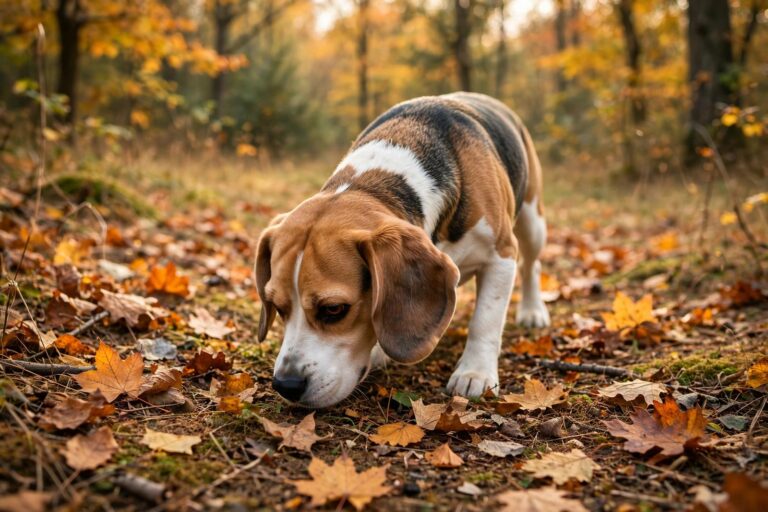
Inside your house, your dog’s world is predictable. Outside, it’s a sensory amusement park. Dogs experience the world primarily through their noses, and the outdoor scent landscape is incredibly rich: other dogs’ markings, food scraps, wildlife trails, and a thousand smells you will never detect. That sensory overload is the single biggest reason dogs drool more outside than in.
Saliva production is closely tied to arousal and anticipation. When your dog catches an exciting scent, their brain starts preparing for whatever might come next — a potential meal, a playmate, or something to investigate. Just like humans salivate at the smell of fresh bread, dogs salivate at the smell of something interesting. Outside, those triggers are everywhere.
Normal Reasons Your Dog Drools Outside
Excitement and anticipation
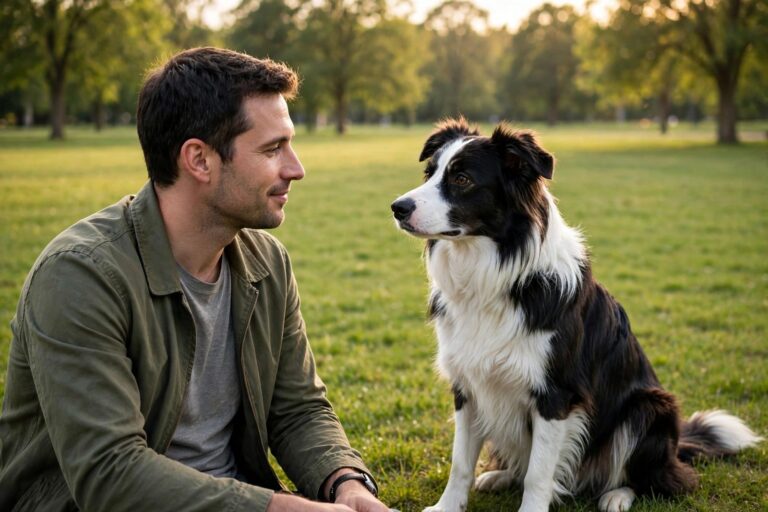
The walk itself is exciting. The leash comes out, the door opens, and your dog’s adrenaline spikes. Excited dogs drool — it’s that simple. You’ll notice the heaviest drooling at the start of a walk or at the dog park, when excitement peaks. This kind of drool is watery, your dog is otherwise happy and energetic, and it tapers off as they settle in. If your dog drools at the dog park but is relaxed and playful, excitement is almost certainly the cause.
Irresistible smells
A dog’s nose has up to 300 million scent receptors (humans have about 6 million). When they hit a scent trail — another dog’s urine marking, a dead worm, food garbage — their salivary glands kick into gear. This is closely related to why dogs lick so much: licking and drooling are both oral responses to intense sensory input. Some dogs will even do the funny teeth-chattering “flehmen-like” response over strong scents, which produces extra drool.
Heat and panting
Dogs barely sweat, so they cool themselves by panting — and panting produces drool. On warm days, a dog that’s been running around will drool heavily simply because their mouth is open and air is rushing over their wet tongue. This is normal cooling behavior, but it’s also your cue to offer water and a shady rest. If the drool becomes thick and ropey and your dog seems lethargic, that’s no longer normal cooling — it may be heat exhaustion.
Breed anatomy
Some dogs are simply built to drool. Bloodhounds, Saint Bernards, Mastiffs, Boxers, and Bulldogs have loose lips and flews (those long, pendulous upper lips) that can’t hold saliva in. These breeds will drool more everywhere, but the effect multiplies outdoors where excitement and panting stack on top of anatomy. If you own a natural slobberer, outdoor drool is just part of the package.
Outdoor Drooling That Deserves a Closer Look
Not all outdoor drool is innocent excitement. Because dogs explore with their mouths, the outdoors exposes them to things that trigger nausea, irritation, or worse. Here’s how to tell the difference.
Nausea from eating things outdoors
Grass, sticks, mulch, discarded food, and unidentifiable yard treasures — dogs eat first and ask questions never. Nausea is one of the most consistent triggers of sudden drooling, because the salivary glands go into overdrive ahead of potential vomiting. If your dog was sniffing around and suddenly starts drooling heavily, gulping repeatedly, or licking their lips over and over, they may have eaten something that disagrees with them. Most cases pass on their own, but watch for vomiting, diarrhea, or lethargy.
Allergies and plant irritants
Pollen, freshly cut grass, and certain plants can irritate a dog’s mouth and nose, triggering drool. Some dogs are sensitive enough that a walk through a field of blooming weeds sets off a drooling episode along with sneezing or paw-chewing. If the drooling happens in the same locations or seasons, allergies are a strong suspect — worth mentioning at your next vet visit.
Something stuck in the mouth
Sticks, foxtails, bone fragments, and bits of toys can lodge between teeth, in the gums, or across the roof of the mouth. A dog with something stuck will often paw at their face, rub their muzzle on the ground, or refuse treats while drooling. This is common after enthusiastic stick-chewing sessions. If you can safely look inside their mouth, do — but never force a dog’s jaw open or reach blindly into the throat. Let your vet handle anything you can’t easily see and remove.
Bitter tastes and mild toxins
Dogs that lick toads, chew certain plants, or mouth something with a bitter chemical coating (like some lawn treatments) will drool profusely — it’s the body’s way of flushing the mouth. This drool is often foamy. If you suspect your dog licked or ate something toxic — pesticides, rat bait, certain mushrooms, or unknown plants — treat it as urgent and call your vet or poison control immediately.
Warning Signs: When Outdoor Drooling Is an Emergency
Call your vet right away if outdoor drooling comes with any of these:
- Foaming at the mouth combined with agitation, tremors, or collapse
- Sudden, heavy drooling in a dog that doesn’t normally drool
- Pawing at the mouth with bleeding, swelling, or a foul odor
- Vomiting or retching repeatedly, especially with unproductive retching (a bloat warning sign in large, deep-chested breeds)
- Lethargy, stumbling, or disorientation after being outside in heat
- Known or suspected toxin exposure — don’t wait for more symptoms
What to Do When Your Dog Drools Outside
For normal, happy drool, you don’t need to do much beyond carrying water and maybe a rag if you own a heavy slobberer. But a few habits make outdoor drool easier to manage and help you catch problems early:
- Learn your dog’s baseline. Knowing how much your dog normally drools is the fastest way to spot abnormal drooling. A sudden change is always more meaningful than the absolute amount.
- Offer water early and often. Hydration helps with heat-related drooling and flushes mild irritants from the mouth.
- Do a quick mouth check after walks. A peek at the gums, teeth, and tongue takes ten seconds and catches stuck objects before they become problems.
- Rinse paws and muzzle after walks in areas treated with lawn chemicals or heavy pollen — it reduces both ingestion and irritation.
- Train a solid “leave it” and “drop it.” The best treatment for nausea-from-eating-garbage is prevention, and dogs that roll in dead worms are the same dogs that taste everything outdoors.
If you’re ever unsure whether drooling is normal or not, the AKC’s guide to dog drooling is a solid reference for sorting typical causes from concerning ones — but it never replaces your vet’s judgment.
Frequently Asked Questions
Why does my dog only drool outside and never inside?
Because outside is where all the triggers live: exciting scents, other animals, heat, panting, and things to taste. Indoors, your dog is calm and the environment is familiar, so the salivary glands stay quiet. Outdoor-only drooling in an otherwise healthy, happy dog is almost always excitement- or heat-related.
Is it normal for my dog to foam at the mouth a little when playing?
Light foam during intense play is usually just saliva whipped up by panting and barking. But heavy foaming, especially combined with distress, pawing at the face, or sudden behavior changes, is not normal play behavior — check for a stuck object or toxin exposure and call your vet if you’re unsure.
Can anxiety cause drooling outside?
Yes. Fear and stress trigger drooling just like excitement does — the mechanism is similar (arousal), only the emotion differs. If your dog drools on walks but shows stress signals like tucked tail, yawning, lip-licking, or trying to go home, the drool may be anxiety rather than joy. Nervous dogs often benefit from shorter, calmer routes and confidence-building training.
Should I worry if my puppy drools outside?
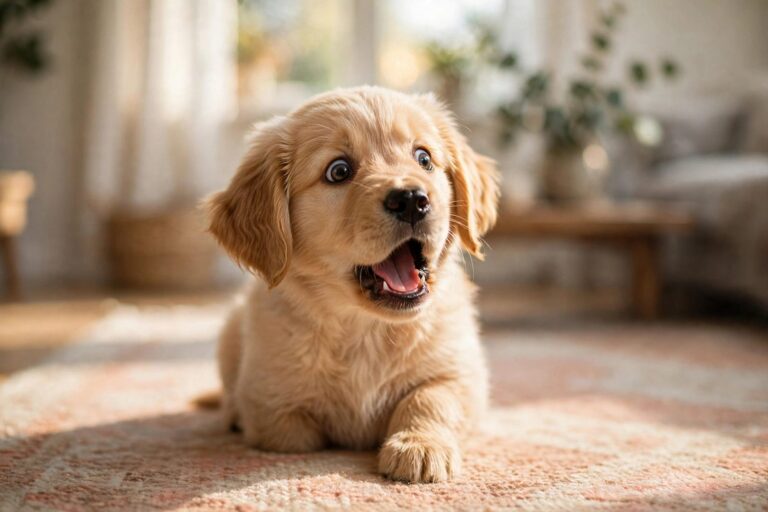
Puppies drool outside for the same reasons adult dogs do, plus teething. Drooling peaks during teething (around 4–6 months) and usually settles once adult teeth are in. As with adults, watch for the warning signs above — sudden heavy drooling with other symptoms always warrants a vet call regardless of age.
The Bottom Line
Outdoor drooling is one of those things that’s usually just your dog being a dog — excited, sniffing everything, panting in the sun. Learn what’s normal for your dog, keep water handy, and keep an eye out for the red flags. When in doubt, a quick call to your vet beats a worried afternoon of Googling.