Samoyed Bear Face vs Wolf Face: Key Differences
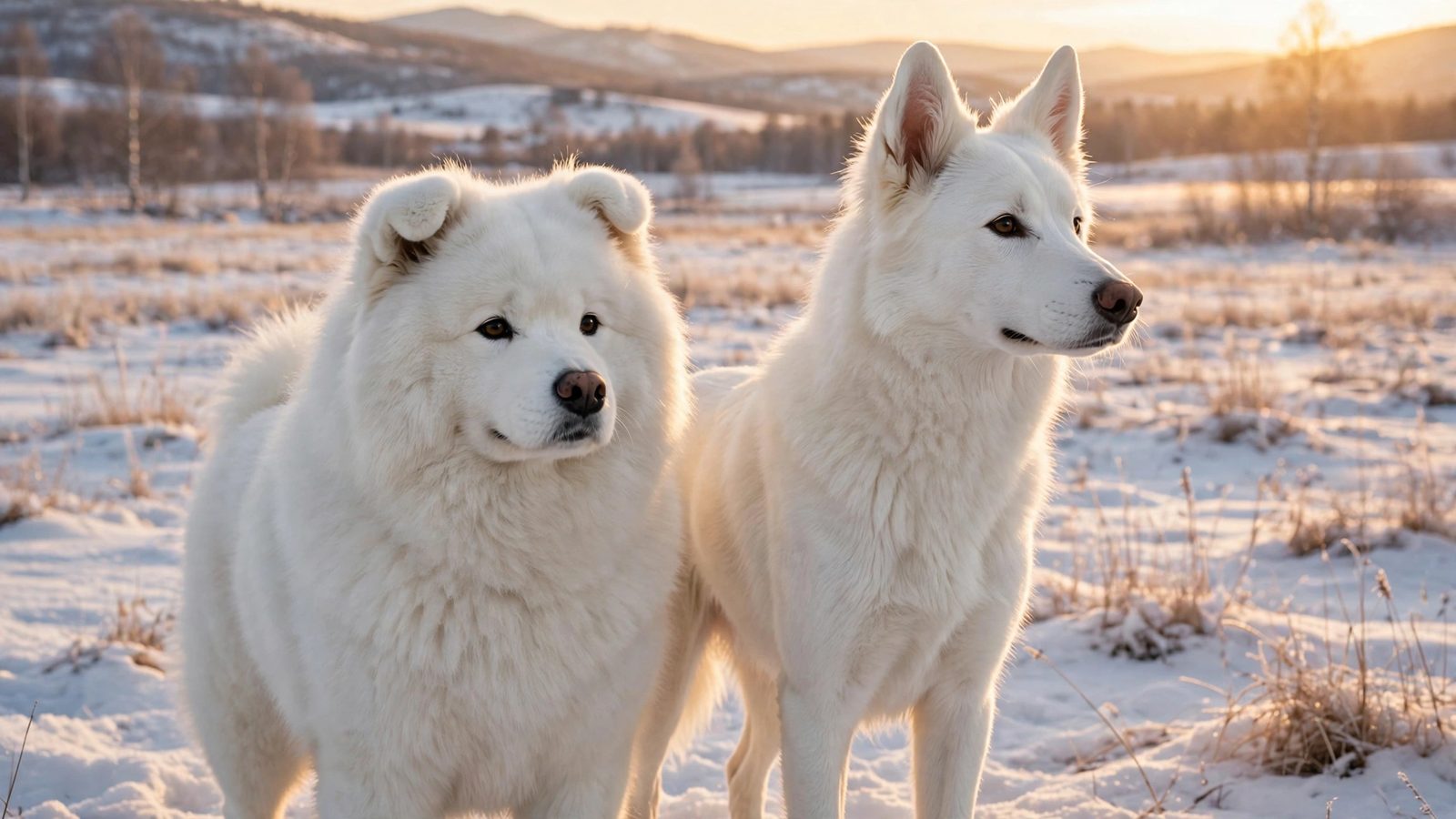
If you have been shopping for a Samoyed puppy, you have probably seen breeders advertise “bear face” or “wolf face” puppies — sometimes with very different price tags. Here is the quick answer: bear face Samoyeds have a rounder, stockier head with smaller ears and a shorter muzzle that looks like a teddy bear, while wolf face Samoyeds have a longer, narrower muzzle, larger upright ears, and a leaner, more athletic build. Neither type is an official variety, but the differences are real and trace back to the breed’s history. This guide breaks down exactly how to tell them apart.
What “Bear Face” and “Wolf Face” Actually Mean
First, an important clarification: the American Kennel Club recognizes only one Samoyed — there is no separate “bear face” or “wolf face” breed or official variety. These terms describe historical head types from the breed’s early days in Siberia and England.
Before the breed was standardized, three distinct Samoyed types existed:
- Bear type: stocky and compact, with a broad head, small ears, and upturned lips that create the famous Samoyed “smile.” This type was especially popular in the United Kingdom.
- Wolf type: slimmer and more athletic, with stronger bone, a longer muzzle, and noticeably larger ears. This type became widely appreciated in the United States.
- Fox type: the smallest of the three, with a finer, fox-like face — rarely discussed today.
Modern Samoyeds are largely homogenized, but individual dogs still lean toward one look or the other, and breeders often use these labels to describe their lines. For a deeper look at how coat and build vary across similar spitz breeds, see our guide on what a double coat really is and how to groom it.
Bear Face Samoyed: Appearance Traits
The bear face is the look most people picture when they think “Samoyed” — and it is the type breeders most often call “coveted.” Typical traits include:
- Head: broad, round skull with full cheeks — genuinely teddy-bear-like.
- Muzzle: shorter and blunter, which exaggerates the breed’s trademark smile.
- Ears: small, thick, triangular, set well apart.
- Eyes: dark, almond-shaped, set slightly wider apart, giving a soft, sweet expression.
- Build: stockier and more compact overall, with a profuse, plush coat that enhances the rounded look.
Wolf Face Samoyed: Appearance Traits
The wolf face type looks more athletic and alert — closer to the breed’s working sled-dog roots:
- Head: narrower skull with less cheek fullness.
- Muzzle: longer and more tapered, giving a keener, fox- or wolf-like profile.
- Ears: visibly larger and more erect, set closer together.
- Eyes: slightly more forward-facing, contributing to an intense, intelligent gaze.
- Build: leaner frame with stronger visible musculature and bone; the coat often lies a little flatter, emphasizing the athletic outline.
Bear Face vs Wolf Face: Side-by-Side Comparison
Use this quick reference when comparing puppies or adult dogs:
- Skull shape: broad and round (bear) vs. narrower and longer (wolf)
- Muzzle: short and blunt (bear) vs. long and tapered (wolf)
- Ears: small and thick (bear) vs. large and erect (wolf)
- Expression: soft and smiling (bear) vs. keen and alert (wolf)
- Body: stocky and compact (bear) vs. lean and muscular (wolf)
- Overall impression: teddy bear (bear) vs. athletic working dog (wolf)
Comparing subtle differences between closely related types is a skill — our Cardigan vs Pembroke Corgi breakdown walks through the same kind of head-and-body comparison for another breed pair.
What About the Fox Face Type?
The fox face is the forgotten third type: smaller than standard, with a fine, pointed muzzle reminiscent of a fox. You will rarely see it advertised because modern breeding has largely absorbed it into the general population. If a breeder mentions “fox face,” they usually just mean a particularly fine-featured dog rather than a distinct line.
Which Lineage Do They Come From?
These looks are not random — they reflect regional breeding history. The stockier bear type was favored by early British breeders, while American lines tended toward the leggier, larger-eared wolf type. That is why you will still hear that bear faces are “the English look” and wolf faces “the American look.” A puppy’s face type is simply a hint about which old lines run strongest in its pedigree — not a quality grade.
Does Face Type Affect Temperament or Health?
No. This is the most important thing to understand. Whether a Samoyed has a bear face or a wolf face tells you nothing reliable about its personality, intelligence, or health. Both types share the same breed temperament: friendly, playful, social, vocal, and deeply people-oriented. Health screening (hips, eyes, heart) matters infinitely more than head shape — always ask a breeder for OFA and eye clearances regardless of the “type” label. For the breed’s official standard and health testing recommendations, see the AKC’s Samoyed breed page.
How to Tell in a Puppy
Face type is hardest to judge in very young puppies because baby fluff rounds everything out. A few practical tips:
- Look at the parents. Puppies strongly resemble their parents’ head type by 8–12 weeks.
- Check the ears. Even in fluff, proportionally larger, thinner ears suggest wolf type; small, thick ears suggest bear type.
- Profile view matters. Look at the puppy side-on: a short, blunt muzzle reads “bear,” a longer wedge reads “wolf.”
- Ask the breeder. Reputable breeders know their lines and will tell you honestly which type their dogs lean toward.
Are There Grooming Differences?
Only minor ones. Bear face dogs often have a denser ruff around the cheeks that needs a little extra brushing to prevent matting behind the ears. Wolf face dogs, with their slightly flatter coats, may look less “plush” but shed just as much — Samoyeds famously “blow” their undercoat once or twice a year regardless of face type. Brush weekly, daily during coat-blow season.
Which Should You Choose?
Choose based on looks you love, not on myths about temperament. If you want the classic plush teddy-bear companion look, seek bear type lines. If you prefer the athletic, alert sled-dog aesthetic — or plan to do sports like agility or sledding — a wolf type may appeal more. Either way, prioritize health testing, temperament, and a responsible breeder over the label. A well-bred Samoyed of either type is the same joyful, smiling, high-energy companion.
Do Bear Face Samoyeds Cost More?
Often, yes — but you should know what you are paying for. Because the plush teddy-bear look photographs beautifully and is in high demand, some breeders charge a premium of several hundred dollars for puppies they label “bear face.” That premium is only justified if it reflects genuine quality: comprehensive health testing (hips, elbows, eyes, cardiac), well-socialized puppies raised in the home, and a breeder who shows or works their dogs. A higher price for the label alone — with no testing to back it up — is a red flag, not a value-add. As a benchmark, well-bred Samoyed puppies from health-tested parents typically range from $1,500 to $3,000+ regardless of face type, with pricing driven far more by pedigree, testing, and region than by head shape. Always ask to see the parents’ OFA and eye certifications before discussing price, and be wary of any seller who leans harder on the “rare bear face” story than on health documentation.
Frequently Asked Questions
Are bear face Samoyeds rarer than wolf face?
Not truly — both occur throughout the breed. “Rare” is often marketing language. Some breeders do specialize in one look, which can make it feel scarce locally.
Do bear face Samoyeds cost more?
Sometimes, because the teddy-bear look is in high demand and breeders price accordingly. A higher price should reflect health testing and quality — never pay a premium for the label alone.
Is one type healthier than the other?
No. Face type has no established link to health problems. Hip dysplasia, eye conditions, and heart issues occur in both types; screening the parents is what counts.
Can bear face and wolf face Samoyeds be shown?
Yes — both can compete, since the breed standard describes one Samoyed. Judges evaluate how closely each dog matches the written standard, not the historical type label.
Will my puppy’s face type change as it grows?
Slightly. Muzzles lengthen a bit with maturity, so a strongly “bear” puppy may look a touch less round as an adult — but the overall type stays consistent.
Bottom line: bear face vs wolf face is a fun, real visual distinction rooted in the breed’s history — but it is cosmetic. Pick the look you love, then pick the breeder even more carefully.