When Do Puppies’ Fur Change Color? Timeline by Breed
The Quick Answer
Most puppies start changing coat color as they shed their baby fur and grow their adult coat — typically between 4 and 8 months of age, though it can begin as early as 12 weeks or as late as a year depending on the breed. The change is usually complete by 10 to 14 months, with some breeds (like Pomeranians) taking up to 2 years to show their final color.
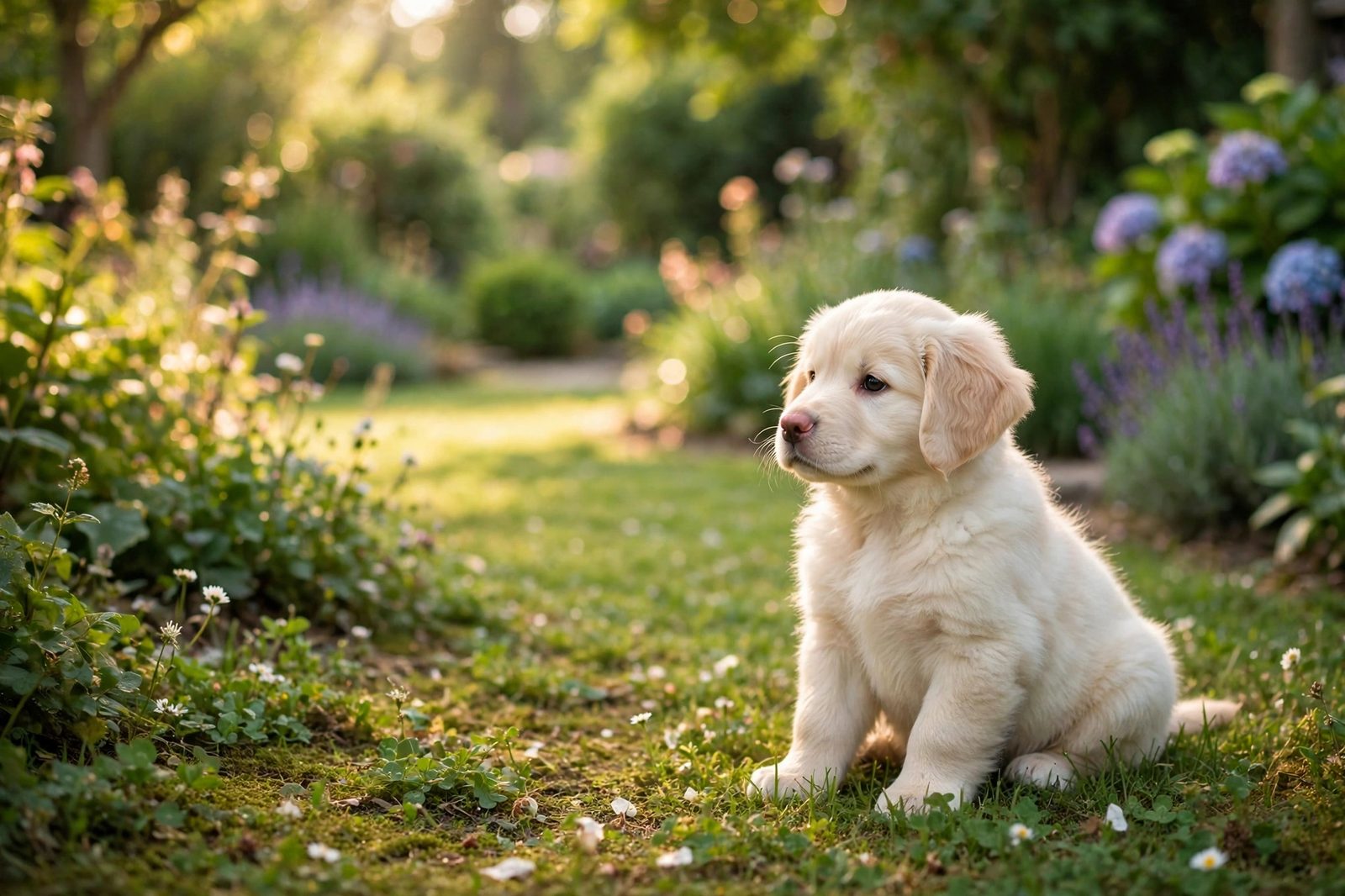
The short version: puppy fur is a rough draft, not the final coat. That light cream Golden Retriever puppy may darken into a rich gold, that black Poodle puppy may fade toward silver, and those Dalmatian spots do not even exist at birth. If the change is gradual and your puppy is healthy, it is almost always normal genetics at work.
Why Puppy Fur Changes Color
Puppies are born with a single coat of soft, fluffy fur that is usually thinner, shorter, and lighter than the adult coat it will become. This baby coat serves a simple purpose: keeping a fragile newborn warm. As the puppy matures, new pigment-producing cells (melanocytes) activate in the hair follicles, and the adult coat — coarser, denser, and carrying the dog’s true adult pigmentation — grows in to replace it.
Think of it as two overlapping processes: the puppy coat sheds out while the adult coat grows in. During the transition, color shifts as new hairs with different pigment levels replace old ones. In double-coated breeds the change can look dramatic — clumps of baby fluff falling away to reveal a completely different-looking dog underneath. The AKC’s guide to why puppies shed their coats explains how this transition drives most of the color changes owners notice.
The Typical Timeline
- Birth to 8 weeks: Puppies wear their soft birth coat. Some breeds look nothing like their adult selves — Dalmatians are born pure white, Australian Cattle Dogs are born white and “color up” within weeks.
- 8 to 12 weeks: The first subtle shifts can appear. Darker or richer tones may start showing through, especially on the ears and back.
- 4 to 8 months: The main event. The puppy coat sheds out and the adult coat grows in. This is when most owners notice the biggest color change — and, in long-haired breeds, the awkward “puppy uglies” phase of patchy, shaggy fur.
- 10 to 14 months: The adult coat is usually complete and the final color is set for most breeds.
- Up to 2 years: Slow-maturing coated breeds like Pomeranians, and some Poodles, keep refining color and texture well into their second year.
After that, the only normal color change left is the slow one: like humans, dogs go gray with age, usually starting around the muzzle.
Breeds Famous for Dramatic Color Changes
Some breeds are known for transformations that surprise first-time owners:
- Dalmatian: born white, spots develop over the first weeks and keep appearing for months.
- Bedlington Terrier: born dark blue or liver, often lightens to a sandy shade as an adult.
- Kerry Blue Terrier: born black, transitions to the breed’s signature blue-gray between 6 and 18 months.
- English Setter: born mostly white, develops spots, ticking, and roaning over time.
- Poodle: black puppies commonly fade to blue, silver, or gray; browns may lighten to café-au-lait or silver beige.
- Shih Tzu: famously changeable — golds can lighten, dark markings can fade significantly.
- Golden Retriever: light cream puppies often darken into rich gold (but a yellow Lab puppy will never grow into a chocolate Lab — some colors are genetically fixed).
- Yorkshire Terrier: born black and tan, matures into the steel-blue and tan of the breed standard.
If you bought a puppy partly for its color, ask the breeder what the parents looked like as puppies and adults — that is your best preview of what is coming.
The “Puppy Uglies”: What to Expect
Long-haired and double-coated breeds often go through a phase owners call the “puppy uglies” — a few months where the puppy looks patchy, thin, or shaggy as baby fluff falls out faster than the adult coat grows in. It is most noticeable in Pomeranians, but Huskies, Chow Chows, and Collies can look scruffy too. This is completely normal. Keep brushing gently through the transition (mats form easily when two coat types tangle), do not shave the puppy to “even it out,” and take photos — most owners laugh about this phase later. The adult coat coming in underneath is the real dog emerging.
Can You Influence Your Puppy’s Adult Color?
Not really — and that is worth accepting early. Coat color is written in your puppy’s DNA, and no shampoo, supplement, or superfood will rewrite it. What you can influence is how richly that genetic color shows. A puppy fed a complete, balanced diet with adequate protein and essential fatty acids will grow a coat with better pigment depth and shine than the same puppy fed a poor diet — the color is the same, but it looks fuller and more vibrant. This is why two puppies of the same breed and color can look noticeably different: one is expressing its genetics well, the other is not. Regular grooming helps too, since clean, mat-free fur reflects light evenly and shows color at its best. Be skeptical of any product promising to “enhance” or “deepen” coat color — at best they add cosmetic shine, at worst they are marketing with no science behind it. The one legitimate exception is sun-bleached black coats: limiting intense midday sun keeps dark fur from fading to rusty brown, preserving the color your dog’s genes intended.
When a Color Change Is NOT Normal
Gradual, age-appropriate change is fine. These patterns warrant a vet visit:
- Sudden color change in an adult dog. A coat that shifts noticeably over weeks in a grown dog can signal hormonal problems like hypothyroidism or Cushing’s disease.
- Color change plus hair loss, itching, or flaky skin. Allergies, infections, or nutritional deficiencies often show up in the coat first.
- Darkening or thickening of skin under the fur. Hyperpigmentation can accompany chronic skin disease or endocrine disorders.
- White patches appearing suddenly. Vitiligo and some autoimmune conditions cause depigmentation.
- A dull, dry coat with color fading. Poor diet — especially deficiencies in essential fatty acids, zinc, or copper — drains both color and shine.
Sun bleaching is the benign exception: dark coats, especially black ones, can fade to a reddish-brown in strong sun, just like human hair. It is cosmetic and reverses with the next coat cycle.
Supporting a Healthy Coat Through the Change
You cannot change your puppy’s genetics, but you can give the adult coat its best shot. Feed a complete, balanced puppy food appropriate for your breed’s size — coat quality is built from nutrition. Brush regularly through the transition to prevent mats and distribute skin oils. Keep up with your puppy vaccine schedule by age and parasite prevention, since illness and stress can dull a growing coat. And if your puppy is in the chewy phase too, check our safe options for teething puppies so the new adult teeth get appropriate outlets. Avoid over-bathing, which strips the oils a developing coat needs.
Frequently Asked Questions
Will my black puppy stay black?
Maybe — and maybe not. True-black genetics hold their color in many breeds, but in Poodles, Kerry Blues, and several others, black puppies predictably fade to blue, silver, or gray. Look at the parents: if they faded, your puppy likely will too.
Can I predict my puppy’s adult color?
Partly. The parents’ adult colors, the puppy’s color at 8 to 12 weeks (especially the ears, which often preview the adult shade), and breed-specific patterns all give clues. But genetics can surprise you — that is half the fun.
Do mixed-breed puppies change color more unpredictably?
Yes. With two different genetic backgrounds in play, mixed-breed puppies can land anywhere between the parents’ colors — or somewhere neither parent shows. Embrace the mystery.
Is it normal for a puppy’s fur texture to change too?
Completely. The adult coat is almost always coarser and denser than the soft baby fluff. Texture change without color change is just as normal as the reverse.
My senior dog is going gray. Is that normal?
Yes — dogs gray with age just like people, usually starting around the muzzle and eyes. It is a cosmetic change, not a health problem, though a vet check never hurts if it appears alongside other symptoms.
The Bottom Line
Puppy fur changing color is one of the most normal — and most delightful — parts of watching a dog grow up. Expect the biggest shifts between 4 and 8 months, the final result by 10 to 14 months, and a few breed-specific surprises along the way. Enjoy the transformation; the scruffy in-between stages make the adult coat that much more rewarding.