Why Do Dogs Like Dead Animals? 6 Reasons Explained
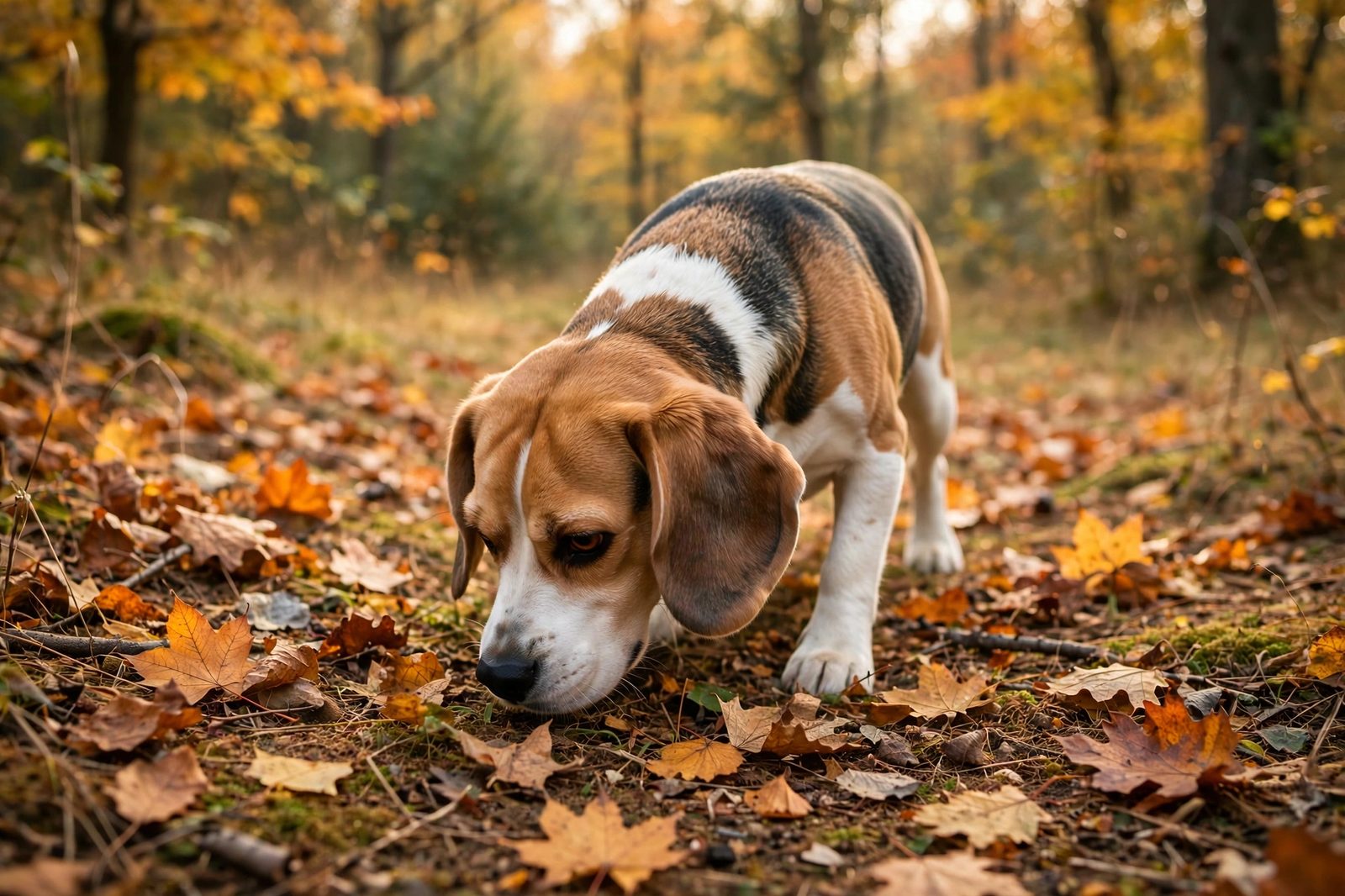
Quick answer: Dogs are drawn to dead animals because of their powerful sense of smell and deep-rooted wolf instincts. A rotting carcass is a jackpot of scent information, a potential camouflage, and a message to bring back to the pack. It’s gross to us, but to your dog it’s fascinating — and sometimes risky.
6 Reasons Dogs Are Obsessed With Dead Animals
1. The wolf camouflage instinct
The most widely cited explanation goes back to your dog’s ancestors. Wolves sometimes roll in strong-smelling substances — carcasses, dung, anything pungent — and researchers believe this helped mask their own scent while hunting. A predator that smells like the environment is harder for prey to detect. Your Labrador has never needed to ambush a deer, but the wiring is still there. When he drops his shoulder and dives onto something rotten, he’s running ancient software.
Interestingly, studies on wolves found they roll in novel, unusual scents even more than familiar ones — perfume and motor oil included. So part of the drive may simply be “this smells new and intense,” not a calculated hunting strategy.
2. Scent is how dogs “see” the world
Humans are visual creatures; dogs are olfactory ones. A dead animal is, to a dog’s nose, what a breaking-news broadcast is to us — dense with information about who died, how long ago, what it ate, and what other animals have visited. Your dog isn’t just being gross. He’s reading. That’s also why why dogs roll in dead worms has the same root cause: an irresistible urge to get closer to an intense smell.
3. Bringing news back to the pack
Wolves have been observed rolling in a carcass or food source and carrying the scent back to their packmates, who may then follow it to the find. Your dog rolling in something foul and then trotting proudly back to you may be doing the domestic version of “you won’t believe what I found.” It’s communication, not defiance.
4. Marking and claiming the discovery
Rolling also deposits the dog’s own scent onto the object — a way of saying “I was here, this is mine.” It’s the same scent-marking drive behind kicking their back legs after pooping: leaving a signal for the next dog that passes by. To your dog, that dead squirrel is prime real estate.
5. Pure sensory pleasure
Here’s the simplest explanation: it feels good. A dog’s brain has no “noxious odor” alarm the way ours does. Strong smells stimulate the canine brain intensely — researchers describe it almost like a contact high. What smells like horror to you genuinely delights them, the way a bakery smells to a hungry human.
6. Boredom, curiosity, and breed drive
Under-stimulated dogs invent their own entertainment, and a dead animal is the most exciting thing in the park. Hunting breeds — beagles, terriers, hounds, retrievers — feel the pull hardest, since finding and carrying dead things is literally what they were bred to do. A bored dog with a strong nose is a dog headed straight for the grossest thing within a mile.
Is It Dangerous? Yes, Sometimes
Liking dead animals is natural; interacting with them carries real risks:
- Botulism: Rotting carcasses can harbor Clostridium botulinum, whose neurotoxin can cause weakness progressing to paralysis. Rare, but serious.
- Parasites: Roundworms, coccidia, and other parasites spread through carcasses, especially rodents.
- Poison: A dead rat may have died from rodenticide — which can then poison your dog. This is one of the most common serious dangers.
- Bacteria: Salmonella and other bacteria thrive in decaying tissue.
- Ticks and fleas abandoning the carcass can hop onto your dog.
Rolling in a carcass is mostly a bath problem. Eating one is a vet problem. The AKC’s guide to why dogs roll in smelly stuff notes that while the behavior itself is normal, the substances involved can be genuinely hazardous.
What to Do If Your Dog Eats a Dead Animal
- Don’t panic, but act. Remove any remaining pieces from your dog’s mouth if you can do so safely.
- Note the details: What kind of animal was it? How decomposed? How much did your dog eat?
- Call your vet. Describe what happened. They may advise monitoring at home or bringing your dog in.
- Watch for symptoms over the next 24–72 hours: vomiting, diarrhea, lethargy, loss of appetite, or weakness. Any of these warrant a vet visit.
- Don’t induce vomiting unless your vet specifically tells you to.
How to Stop the Behavior
You probably can’t erase the instinct, but you can manage it:
- Teach a rock-solid “leave it.” Start indoors with treats, then practice on walks. Reward generously when your dog disengages from something tempting.
- Strengthen recall. A dog that comes when called can be pulled off a carcass before the roll begins.
- Scan ahead on walks. In areas with wildlife, keep your dog leashed and watch the ground ahead of them.
- Clean your yard. Remove fallen fruit, secure trash, and check for carcasses after storms.
- Don’t punish after the fact. Your dog won’t connect the scolding to the roll — they’ll just learn that coming to you is scary, which makes recall worse.
How to Get the Smell Out
If prevention failed, bathe your dog with a dog-specific deodorizing shampoo. A baking soda paste (applied for a few minutes, then rinsed) helps neutralize odor between baths. Avoid over-bathing, which strips natural oils and dries the skin. Tomato juice is a folk remedy with mixed results — enzymatic pet shampoos work more reliably.
Why Some Dogs Are Worse Than Others
Not every dog is equally obsessed, and the differences are predictable:
- Breed: Scent hounds (Beagles, Bloodhounds), terriers, and retrievers were literally bred to find and carry dead things. Expect maximum enthusiasm.
- Age: Adolescent dogs (6–18 months) explore the world with their mouths and noses; the fascination often peaks here.
- Neuter status: Intact males tend to be more scent-driven in general, which can amplify the interest.
- History: A dog that’s been rewarded with an exciting chase after grabbing a carcass learns that dead things = the best game ever.
Knowing your dog’s personal “grossness level” helps you calibrate management — a Beagle needs a stricter leash policy near the woods than a senior Shih Tzu.
The Shampoo Paradox
Many owners notice their dog rolls in something foul right after a bath. There’s a plausible reason: dogs may find scented shampoos unpleasant or simply too strong, and rolling is their way of replacing “foreign” perfume with something that smells like the real world. If your freshly bathed dog immediately seeks out the stinkiest thing in the yard, try switching to an unscented or lightly scented dog shampoo.
FAQ
Why does my dog roll in dead animals but my other dog doesn’t?
Individual drive varies hugely. Breed, age, and personality all play a role — a young terrier may be obsessed while a senior lapdog couldn’t care less. Both are normal.
Will my dog get sick from rolling in a dead animal?
Rolling alone rarely causes illness, though skin irritation is possible. The real danger is ingestion — eating the carcass or licking contaminated fur afterward.
Why do dogs like dead animals more as they decompose?
The smell intensifies as decay progresses, and to a dog’s nose, stronger means more interesting. A days-old carcass is far more exciting than a fresh one.
Should I use a shock collar to stop rolling?
No. Aversive tools can create fear and anxiety without addressing the instinct, and they damage your recall. Positive training and management work better.
Is rolling in dead things a sign of a nutritional deficiency?
Generally no. It’s instinct, not a diet problem. If your dog is also eating non-food items obsessively (pica), though, mention it to your vet.
Can I train the instinct out of my dog completely?
Honestly, no — and you shouldn’t need to. The goal is management, not elimination. A reliable “leave it” plus good leash habits reduces incidents by 90% or more, which is a win.
My dog only sniffs dead animals but doesn’t roll — is that okay?
Sniffing from a distance is fine and mentally enriching. Just keep your dog from mouthing the carcass, and check that no ticks hitched a ride home.
The Bottom Line
Dogs like dead animals because their noses and their ancestry tell them to. It’s one of the most normal — and most disgusting — canine behaviors. Manage it with training and supervision, respect the health risks of eating carcasses, and keep the deodorizing shampoo stocked. Your dog will never understand why you’re upset, but with a good “leave it,” you may never need to explain.