
Should You Stare at a Dog? What Eye Contact Means
The Short Answer
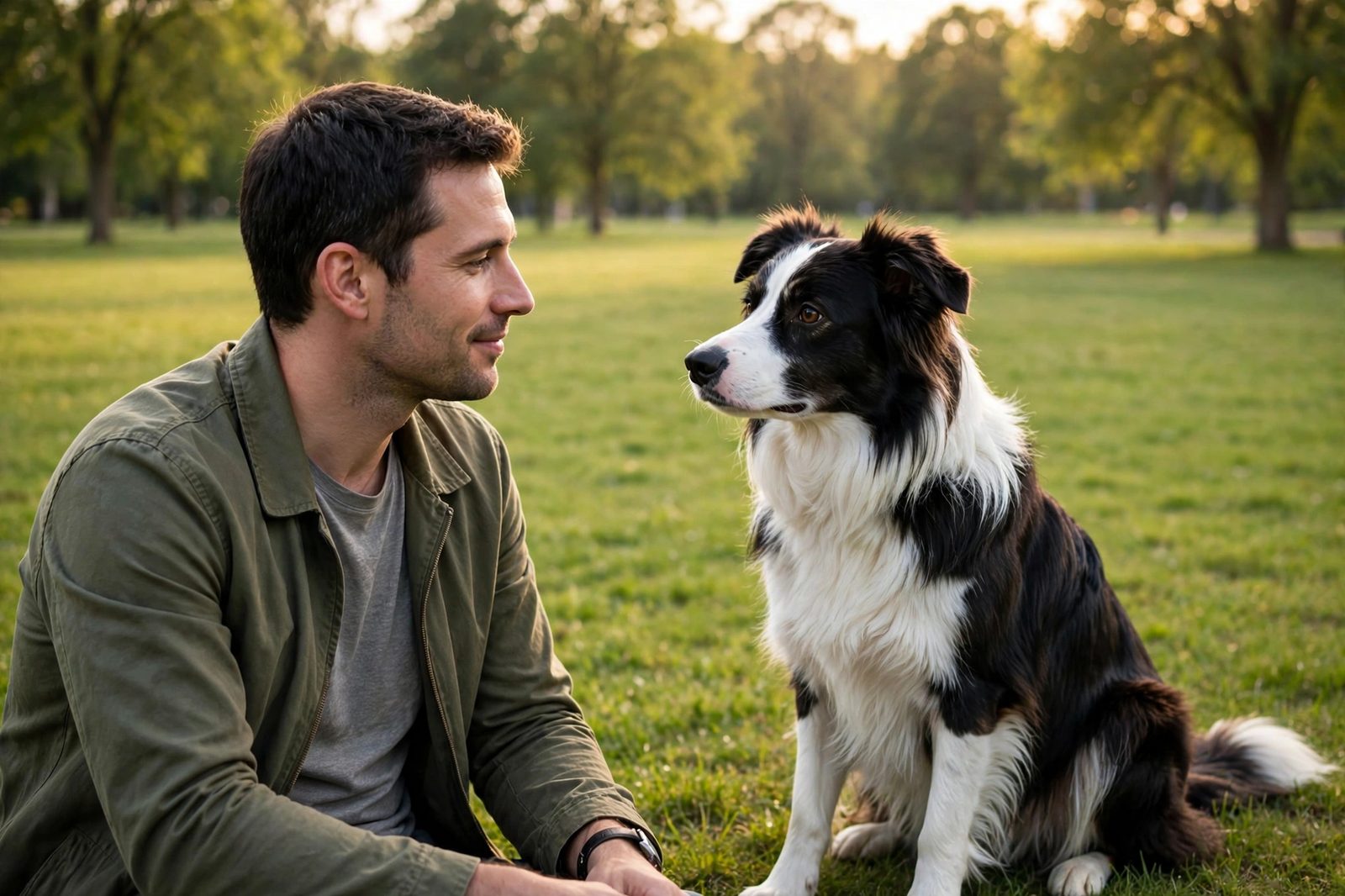
No — you should not stare hard at a dog, especially one you do not know. A fixed, intense stare reads as a threat or challenge in dog language and can frighten or provoke even a friendly dog. Soft, relaxed eye contact with your own dog, on the other hand, is perfectly fine and actually strengthens your bond.
Why Staring Means Something Different to Dogs
Humans use eye contact to show interest, honesty, and affection. Dogs did not get that memo — at least not the whole thing. In the wild, canines use a hard, unwavering stare to intimidate rivals and settle disputes without fighting. When you lock eyes with a dog and hold the gaze, many dogs interpret it the same way: as a confrontation.
That does not mean all eye contact is bad. Dogs have spent thousands of years evolving alongside humans, and they read our faces better than any other animal. The difference is in the quality of the gaze. A soft, relaxed look with a loose body says “I love you.” A fixed stare with a tense body says “back off.” Dogs are experts at telling the two apart, even when we are not.
The Science: Eye Contact Builds the Bond
Here is the fascinating part. Researchers have found that when owners lovingly gaze into their dogs’ eyes, both species get a surge of oxytocin — the same “bonding hormone” that flows between parents and babies. In one well-known study, owners who spent the most time gazing at their dogs saw their oxytocin rise dramatically, and their dogs’ levels rose too. This mutual gaze loop may be one of the reasons the human-dog bond feels so uniquely deep.
So the goal is not to avoid your dog’s eyes. It is to use them the way your dog understands: warmly, briefly, and paired with a relaxed face and body. Think of it as the difference between gazing at someone you love and glaring at a stranger across a parking lot.
Your Dog vs. a Strange Dog: Different Rules
Everything about eye contact depends on relationship. Your own dog has spent months or years learning that your face means good things — food, walks, affection. That history buys you a lot of slack: your dog will forgive a long look because the context is safe. A strange dog has no such history with you, so they default to the ancestral reading: stare equals threat.
This is why the same gaze that melts your Labrador can terrify a shelter dog. When meeting a new dog, let them come to you, keep your body relaxed and slightly turned, and use brief glances instead of locked eyes. Let the dog decide when eye contact feels safe — most friendly dogs will offer it themselves within minutes.
When Staring at a Dog Is Dangerous
Context is everything. A hard stare is risky with:
- Unfamiliar dogs. A strange dog has no reason to trust you. Direct, sustained eye contact from a stranger is the fastest way to make a nervous dog feel cornered.
- Fearful or reactive dogs. These dogs are already on edge. A stare can be the trigger that turns anxiety into a snap or bite.
- Dogs that are guarding something. A dog guarding food, a toy, or a resting spot may read your stare as a challenge for the resource.
- During tense encounters. If two dogs are already posturing at each other, staring at either dog can escalate things.
Children are the most common victims of stare-related bites, because kids naturally stare into dogs’ faces at close range. Teach children to pet the dog’s side rather than looming over them face-to-face.
How to Read What a Dog’s Eyes Are Telling You
Dogs broadcast their feelings through their eyes. Learning the vocabulary keeps everyone safe:
- Soft, squinty eyes: relaxed, happy, trusting. This is the look of a dog that adores you.
- Hard stare with a stiff body: a warning. Give the dog space and look away calmly.
- Whale eye (whites of the eyes showing): the dog is uncomfortable and considering their options. Common when hugging dogs or reaching over their heads.
- Avoiding eye contact: appeasement, not guilt. The dog is saying “I’m no threat.”
- Staring at you then glancing at something: communication. Your dog may be asking for something — dinner, a walk, or a door to be opened. This is the same check-in instinct behind why dogs look back at you when walking: they use their eyes to stay connected to you.
Using Eye Contact the Right Way in Training
Once you understand the difference between a stare and a gaze, you can put eye contact to work:
- Teach “watch me.” Hold a treat near your eyes, mark and reward the moment your dog glances at your face. Gradually build duration. This gives you a polite way to get attention without looming or staring.
- Reward check-ins. When your dog voluntarily looks at you on a walk or in a distracting place, reward it. You are building a dog that chooses connection over chaos.
- Keep your face soft. Relax your brow, blink normally, and smile slightly. Dogs read human facial tension remarkably well — a relaxed face turns a look into a reassurance.
- Let the dog look away. In polite dog greetings, both parties glance and look away. If your dog breaks eye contact, let them. Forcing sustained staring, even lovingly, can feel pressuring.
Frequently Asked Questions
Why does my dog stare at me all the time?
Mostly, they want something or are waiting for a cue — food, a walk, play, or just information about what happens next. Dogs watch us the way we watch the weather: constantly, because it affects their whole day. If the staring is new or paired with restlessness, check whether a need is going unmet.
Is it okay to stare into my own dog’s eyes?
Gentle, mutual gazing with a dog that knows and trusts you is fine and even beneficial — that is the oxytocin loop at work. The problems start with hard, prolonged, tense staring, or with dogs that do not know you well enough to interpret your intentions.
What should I do if a strange dog stares at me?
Stay calm, avoid direct eye contact, and turn slightly sideways to make yourself less threatening. Do not run. Let the dog sniff or lose interest, and slowly increase distance. If the dog’s body is stiff and the stare is fixed, back away slowly while facing the dog.
Why does my dog look away when I look at them?
That is polite dog language. Looking away is a calming signal that means “I mean no harm.” It is actually a compliment — your dog is being socially graceful. It is also one of the many small trust behaviors dogs show, alongside habits like why your dog likes to sleep on your dirty clothes: odd to us, meaningful to them.
Can staring at my dog help with dominance?
No — this is outdated thinking. Trying to “out-stare” or “alpha roll” a dog damages trust and can provoke a defensive bite. Modern training builds cooperation through rewards and clear communication, not intimidation contests. For more on what researchers have found, see what the AKC says about why dogs stare.
Does my dog understand when I wink or blink at them?
Slow blinking seems to register as friendly across species — cat owners swear by it, and many dogs respond to a soft, slow blink with relaxed body language. It is the opposite of a stare: instead of intensity, you are signaling ease. Try it during a calm cuddle and watch your dog’s face soften.
My dog stares at me while I eat — should I stop it?
The mealtime stare is learned begging, and it works because it makes us uncomfortable enough to share. If you do not want a four-legged dinner companion, the fix is management, not punishment: feed your dog before you sit down, send them to their bed with a chew during meals, and never reward the stare with food. Consistency from everyone at the table is what finally breaks the habit.
The Bottom Line
Do not stare down dogs — but do not be afraid to look at them either. A hard stare is a threat in dog language; a soft gaze is love. Learn to tell the difference, read the dog’s eyes in return, and you will have a richer, safer relationship with every dog you meet.

3 Comments