Dog That Looks Like a Labrador Puppy: 10 Lookalikes
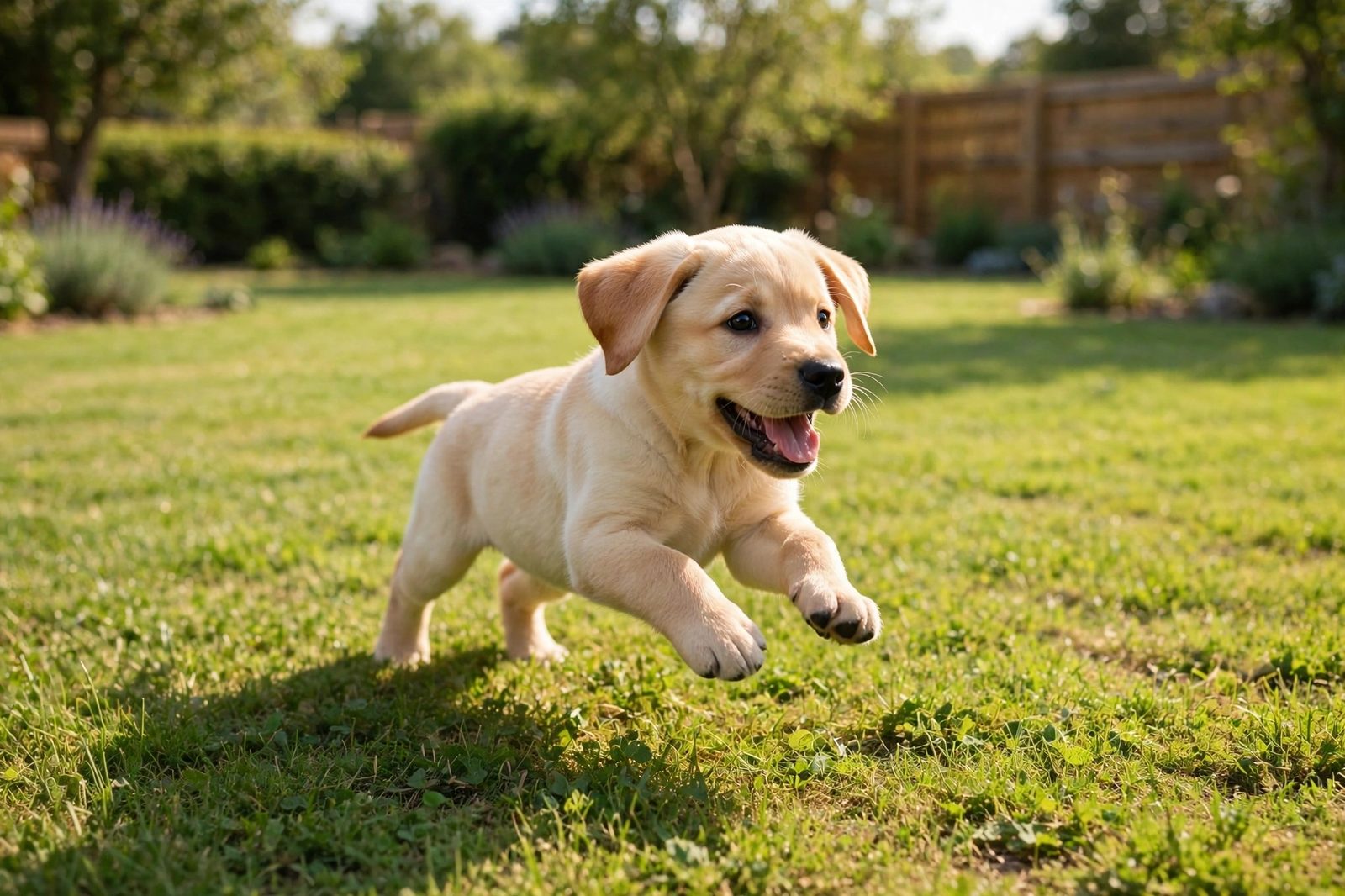
Found a dog that looks like a Labrador puppy and wondering what it really is? You’re not alone — several breeds and mixes look strikingly similar to Lab puppies, from Golden Retrievers to Labradoodles to German Shepherd mixes. The catch: these lookalikes grow into very different adult dogs, with different sizes, coats, energy levels, and care needs.
Whether you’re trying to identify a rescue puppy or choosing your next family dog, here’s how to tell the Lab lookalikes apart — and what to know before you commit.
Why It Matters: Lookalikes Grow Up Differently
Labrador puppies are famously cute and famously generic-looking: floppy ears, a sturdy build, an otter-like tail, and a short dense coat in black, yellow, or chocolate. Dozens of breeds share that puppy template. But a dog that looks like a Lab puppy at eight weeks might mature into a 100-pound guardian breed, a high-maintenance sporting dog, or a hypoallergenic companion with completely different grooming demands.
Knowing what you’re actually looking at helps you prepare for the adult dog’s exercise needs, temperament, and health issues — instead of being surprised a year later.
10 Breeds and Mixes That Look Like Labrador Puppies
1. Golden Retriever
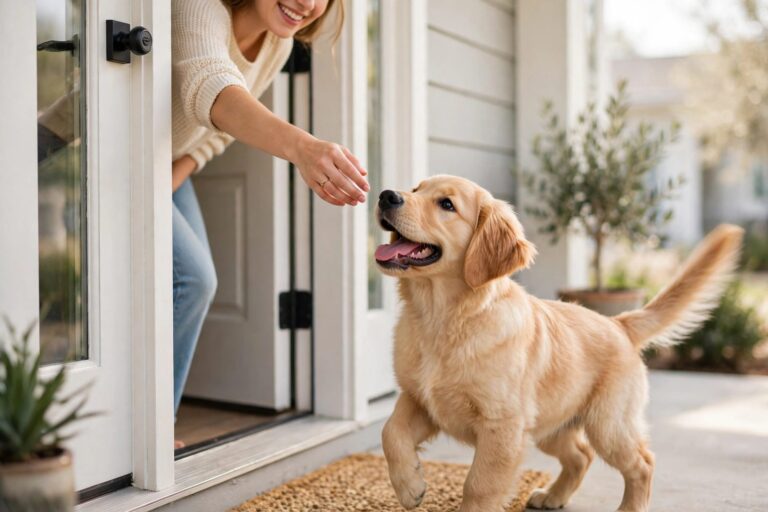
The closest lookalike, especially as puppies. Golden and Lab pups are nearly identical in build and expression — the giveaway is the coat. Even young Goldens show longer, feathered fur on the ears, legs, and tail, while Lab puppies have a short, dense, no-frills coat. Goldens also tend to be slightly softer in temperament. Once you bring your puppy home, knowing what you can safely feed a puppy matters whatever the breed turns out to be.
2. Flat-Coated Retriever
At a glance, a black Flat-Coat puppy looks like a black Lab’s slightly glamorous cousin. Look for the longer, glossier coat and leaner build. Flat-Coats stay puppy-like and mischievous well into adulthood — more so than Labs — and need firm, consistent training.
3. Chesapeake Bay Retriever
Chessie puppies share the Lab’s sturdy build and love of water, but their coat has a distinctive wavy, oily texture even when young. They’re also more reserved with strangers and more protective — a Lab-like dog with a watchdog streak, best for experienced owners.
4. Curly-Coated Retriever
The tight curls are the giveaway, though very young puppies may just look scruffy. Curlies are intelligent and independent — less eager-to-please than Labs — and make excellent sporting dogs for active homes.
5. Nova Scotia Duck Tolling Retriever
Tollers are smaller than Labs with beautiful red coats and white markings. As puppies they have a similar shape and joyful expression, but they top out around 35–50 pounds — much smaller than an adult Lab. High energy and very trainable.
6. Labradoodle (Labrador × Poodle)
The most common Lab lookalike in shelters and rescues. Labradoodle puppies often look exactly like Lab puppies until their adult coat comes in — wavy or curly instead of the Lab’s short double coat. The poodle influence can mean less shedding but much higher grooming demands.
7. German Shepherd Mix (“Sheprador”)
Lab–German Shepherd mix puppies are frequently mistaken for purebred Labs. Clues: a slightly longer muzzle, ears that may start to prick as they grow, and tan markings creeping in. Expect a smarter, more protective, higher-drive adult dog that needs serious training — proven techniques to get your puppy to listen are essential from day one with this mix.
8. Husky Mix (“Huskador”)
Husky–Lab puppies keep the Lab’s floppy ears and body shape but often reveal themselves with striking blue or mismatched eyes and a thicker coat. They inherit the Husky’s energy, independence, and vocal tendencies — a much more demanding dog than a pure Lab.
9. American Water Spaniel
A smaller, lesser-known sporting breed with a wavy coat and the Lab’s love of water. Puppies look like petite Labs. They’re loyal and trainable but more independent, suiting owners who enjoy the training process itself.
10. Weimaraner
Weimaraner puppies share the Lab’s sleek athletic build but come in a distinctive silvery-gray coat. They’re taller, higher-energy, and prone to separation anxiety — wonderful for active families, overwhelming for casual ones.
How to Tell If It’s Really a Labrador Puppy
If you’re trying to confirm a puppy’s identity, look for the Lab’s signature traits:
- Otter tail: thick at the base, tapering, with dense fur and no feathering — the breed’s trademark.
- Coat: short, straight, dense, and water-resistant, with a soft undercoat. No waves, curls, or feathering.
- Head: broad skull, kind expressive eyes, medium-length muzzle that’s not too tapered.
- Feet: webbed toes (a swimming adaptation) — though this is hard to check on a squirming puppy.
- Colors: solid black, yellow (cream to fox red), or chocolate. Brindle, tan points, or merle patterns mean it’s not a pure Lab.
For the full official description, the AKC’s guide to whether a Labrador is right for your family covers the breed’s traits in detail.
Why Shelters Often Mislabel Lookalikes as Labs
“Lab mix” is the most common guess on shelter paperwork for any medium-sized, short-coated puppy — and it’s often wrong. Visual breed identification is notoriously unreliable; studies have shown shelter staff guesses match DNA results only a fraction of the time. A “Lab mix” puppy might be mostly pit bull, hound, or shepherd underneath.
This isn’t dishonesty — it’s genuinely hard to tell. But it means you should choose a shelter puppy for the individual dog in front of you (size estimates from paw size and parents if known, temperament, energy) rather than the breed label on the card. When in doubt, a DNA test ($60–$150) settles it.
What to Know Before Choosing a Lab Lookalike
- Project the adult, not the puppy. Research the full-grown size, exercise needs, and temperament of every breed in the mix.
- Coat = commitment. A Lab’s wash-and-wear coat is low maintenance; a Labradoodle’s or Flat-Coat’s is not. Be honest about grooming time.
- Energy matters more than looks. A Weimaraner or Husky mix needs dramatically more exercise than a Lab.
- Meet the parents if possible. With breeder puppies, the parents are your best preview of temperament and size.
- Train for the dog you have. Guardian-breed mixes and sporting breeds need earlier, more consistent training than an easygoing Lab.
Red Flags When Buying a Lab Lookalike Puppy
The Lab’s popularity makes it a magnet for shady sellers. Walk away from breeders who won’t let you meet the mother, who sell puppies under eight weeks old, who offer no health testing, or who charge a huge premium for “rare” colors. Be especially cautious with online listings for Labradoodles and other designer mixes at bargain prices — many come from puppy mills with no health screening and poor early socialization. A responsible breeder welcomes questions, provides vet records, health clearances, and a written contract — and will take the puppy back at any point in its life if you can’t keep it.
Frequently Asked Questions
What dog looks most like a Labrador puppy?
The Golden Retriever puppy is the closest lookalike — nearly identical in build and face, differing mainly in coat length. Among mixes, the Labradoodle is most commonly confused with Lab puppies before its adult coat develops.
How can I tell if my puppy is a real Labrador?
Look for the otter tail, short dense water-resistant coat, broad head, and solid black, yellow, or chocolate coloring. For certainty, check pedigree papers from the breeder or run a DNA test — visual guesses are unreliable.
Do Lab lookalikes have the same temperament?
Not necessarily. While most retriever breeds share friendliness, guardian mixes (Sheprador, Boerboel) are more protective, sporting breeds (Weimaraner, Chessie) are higher-energy, and poodle mixes bring different grooming and temperament traits.
Why does my rescue say “Lab mix” if the DNA says otherwise?
Shelters label unknown puppies by best visual guess, and “Lab mix” is the default for medium, short-coated pups. It’s an educated guess, not a pedigree — always judge the individual dog.
Is a Lab lookalike a good family dog?
Many are excellent family dogs — Goldens, Flat-Coats, and Labradoodles all make wonderful pets. Just make sure you’re choosing based on the breed’s real needs (exercise, grooming, training) rather than the puppy’s appearance alone.
Conclusion
Plenty of dogs look like Labrador puppies, from Golden Retrievers to Labradoodles to Shepherd mixes — and most of them make fantastic pets. The key is looking past the puppy face: learn each lookalike’s adult size, energy, coat, and temperament, verify identity when it matters, and choose the dog whose real needs match your real life. Get that right, and you’ll never regret the choice — whatever the DNA says.